


How do solar street lights inject sustainable energy into smart cities?
Release Time : 2025-11-24
Driven by both carbon and digital transformation goals, smart cities are moving from concept to large-scale implementation. As one of the most basic and widespread units of urban public infrastructure, street lighting systems are undergoing a green revolution led by solar technology. Solar street lights are no longer just lighting tools, but new urban nodes integrating energy self-sufficiency, intelligent control, and data sensing, injecting clean, efficient, and sustainable energy into smart cities.
1. Zero-Carbon Energy Supply: Building a Green Lighting Foundation for Cities
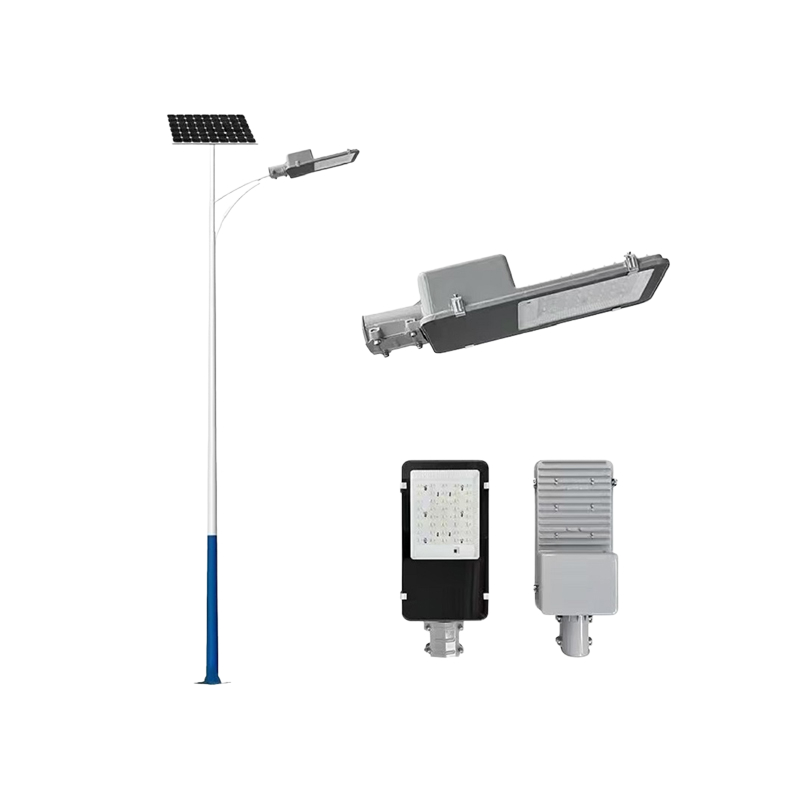
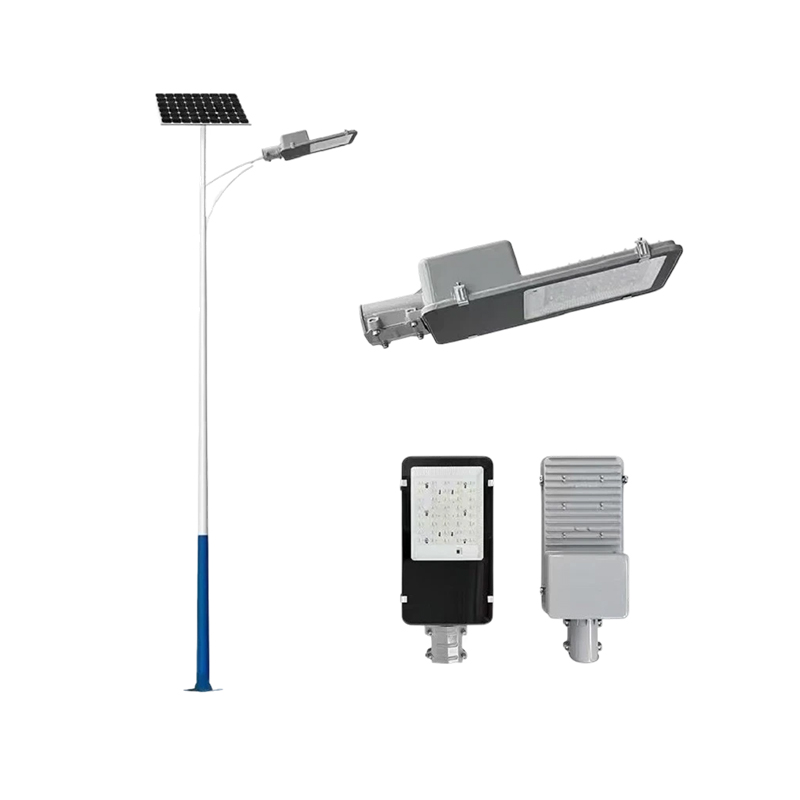
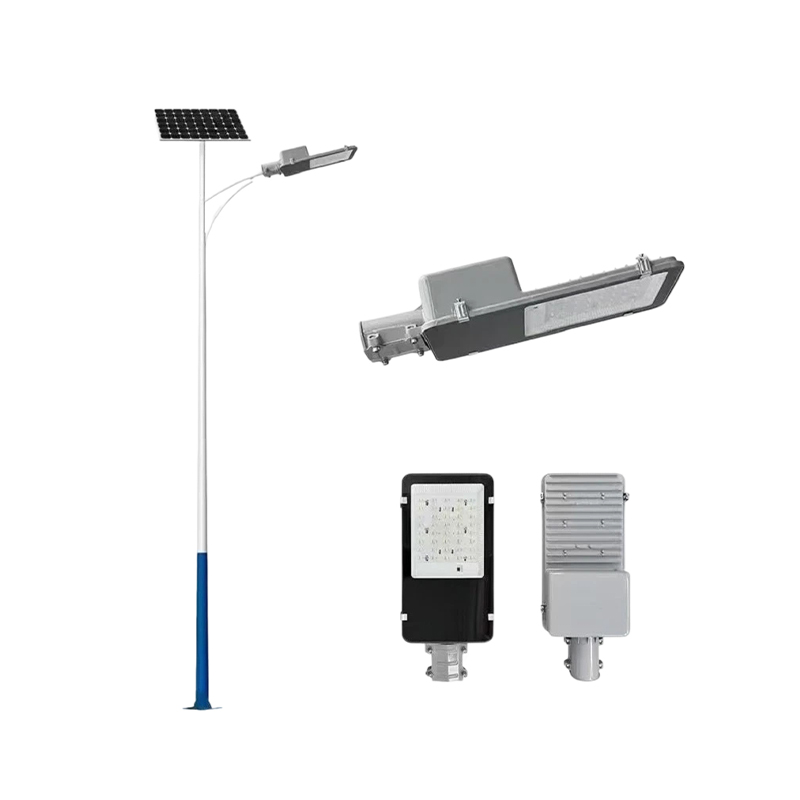
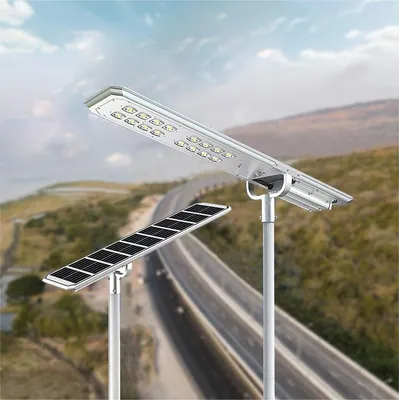
Traditional municipal street lights rely on the power grid, not only incurring continuous electricity costs but also indirectly increasing fossil fuel consumption and carbon emissions. Solar street lights, on the other hand, convert sunlight into electricity using 60W high-efficiency solar panels, storing it in 40Ah lithium iron phosphate batteries, achieving a closed loop of "power generation—storage—consumption." The entire system requires no external power grid connection, truly achieving zero electricity costs, zero carbon emissions, and zero wiring. Based on an annual energy saving of approximately 260 kWh per lamp, large-scale deployment can significantly reduce the carbon footprint of urban public lighting, helping local governments achieve carbon emission reduction targets and solidifying the green foundation of smart cities.
2. Intelligent Operation and Maintenance: A New Paradigm for Cost Reduction and Efficiency Improvement
Solar street lights are generally equipped with light control, time control, and remote communication modules, supporting functions such as automatic start/stop, segmented dimming, and fault alarms. Managers can monitor the working status, battery level, and light intensity of each lamp in real time through a cloud platform, achieving precise operation and maintenance. For example, the system can automatically identify continuous rainy weather and adjust the lighting strategy, or switch to energy-saving mode during periods of low traffic at night. This "on-demand lighting" not only extends equipment lifespan but also significantly reduces manual inspection costs. Compared to the extensive "blind pipe, blind repair" model of traditional street lights, solar smart street lights make urban management more refined and efficient.

3. Flexible Deployment: Empowering Flexible Expansion of Urban Space
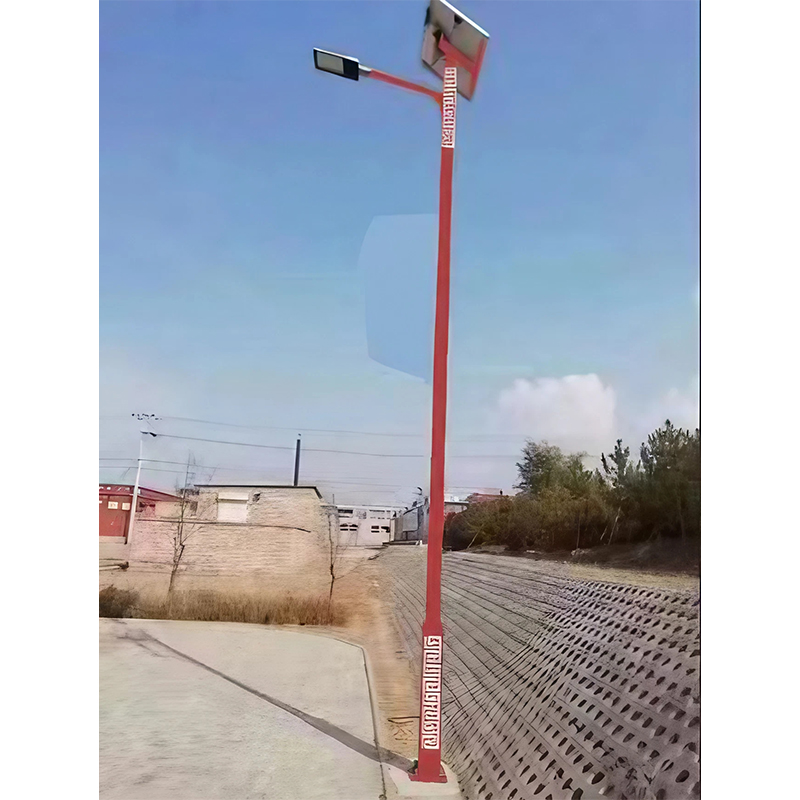
Because they do not require cable trenches or grid connection, solar street lights offer extremely high deployment flexibility. Whether in newly built urban areas, renovations of old residential communities, or for park trails, emergency access routes, or temporary construction sites, solar street lights can be quickly installed and used immediately. Especially in urban-rural fringe areas or remote rural villages with weak power grid coverage, solar street lights have become the optimal solution to address shortcomings in public lighting. This "light infrastructure" characteristic gives urban lighting networks greater flexibility and scalability, meeting the needs of smart cities for agile infrastructure response.
4. Multi-dimensional Integration: Towards a Multifunctional Urban Sensing Terminal
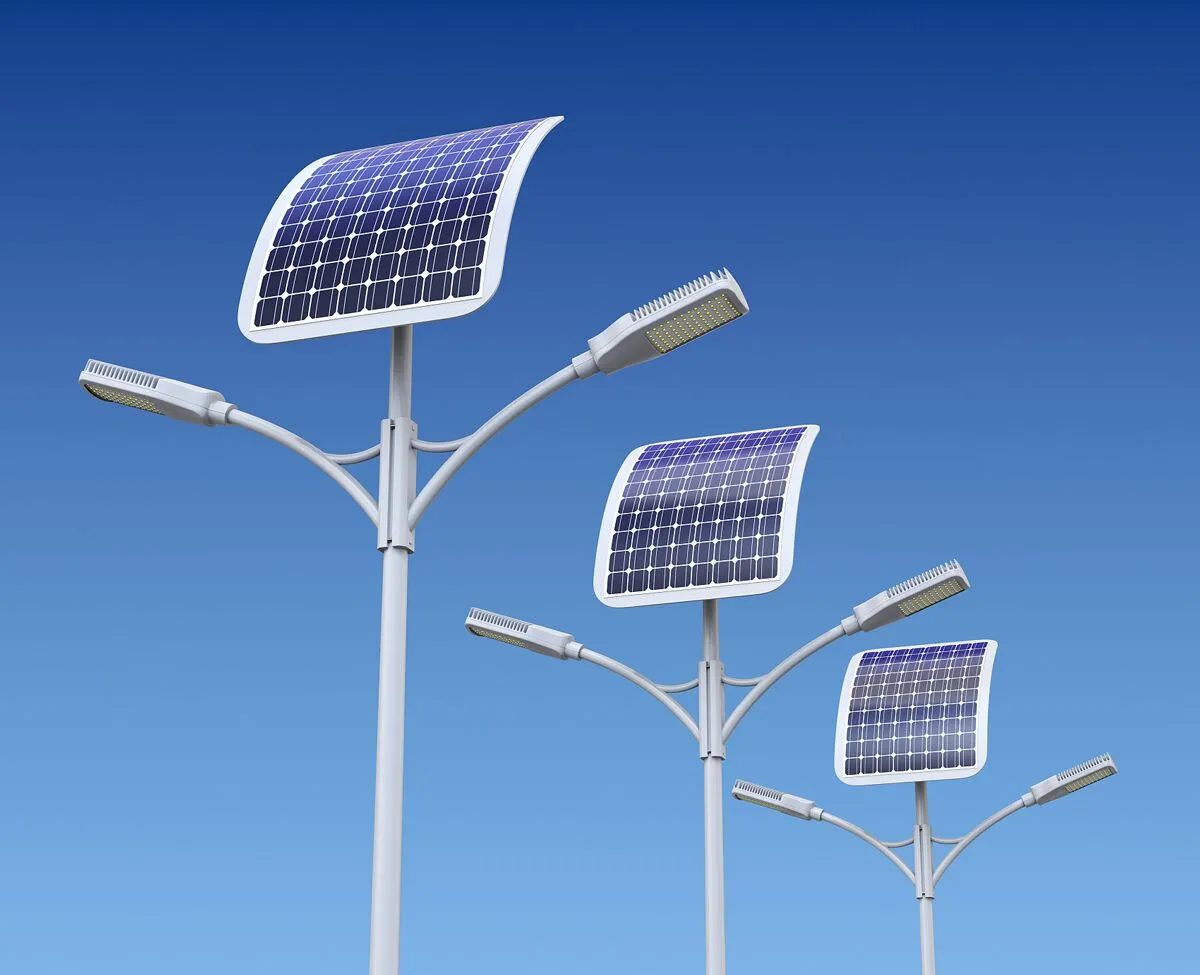
Furthermore, solar street lights are evolving into "multifunctional poles." Beyond basic lighting, they can integrate modules such as cameras, environmental sensors, Wi-Fi hotspots, 5G micro base stations, and charging piles, becoming important sensing nodes in the urban Internet of Things (IoT). For example, by linking illumination and pedestrian flow data, they can optimize the scheduling of surrounding public facilities; through air quality monitoring, they can assist in environmental protection decisions. All of this energy supply is still independently supported by the rooftop solar panels and energy storage batteries, avoiding additional power load. This "one pole, multiple uses, energy self-sufficiency" model greatly improves the efficiency of urban space resource utilization.
5. Long-lasting Reliability: Laying a Solid Foundation for Sustainable Operation
To ensure long-term stable operation, high-quality solar street lights utilize a one-piece formed tapered pole made of Q235 steel, treated with hot-dip galvanizing and outdoor anti-rust paint for double corrosion resistance, making them wind-resistant and corrosion-resistant. The LED light source achieves an IP65 protection rating, adapting to various climates. The lithium iron phosphate battery has a lifespan of 5-7 years, far exceeding traditional lead-acid batteries. These design features ensure continuous service for many years under unattended conditions, reducing replacement frequency and waste generation, truly achieving "low maintenance, long lifespan, and sustainability."
Solar street lights, seemingly just a lamp on a city corner, are actually a microcosm of the deep integration of green energy, intelligent control, and urban governance. Using natural light as its source, digital technology as its brain, and a robust structure as its skeleton, it silently propels urban lighting from a "functional" to a "smart and ecological" model.
1. Zero-Carbon Energy Supply: Building a Green Lighting Foundation for Cities
Traditional municipal street lights rely on the power grid, not only incurring continuous electricity costs but also indirectly increasing fossil fuel consumption and carbon emissions. Solar street lights, on the other hand, convert sunlight into electricity using 60W high-efficiency solar panels, storing it in 40Ah lithium iron phosphate batteries, achieving a closed loop of "power generation—storage—consumption." The entire system requires no external power grid connection, truly achieving zero electricity costs, zero carbon emissions, and zero wiring. Based on an annual energy saving of approximately 260 kWh per lamp, large-scale deployment can significantly reduce the carbon footprint of urban public lighting, helping local governments achieve carbon emission reduction targets and solidifying the green foundation of smart cities.
2. Intelligent Operation and Maintenance: A New Paradigm for Cost Reduction and Efficiency Improvement
Solar street lights are generally equipped with light control, time control, and remote communication modules, supporting functions such as automatic start/stop, segmented dimming, and fault alarms. Managers can monitor the working status, battery level, and light intensity of each lamp in real time through a cloud platform, achieving precise operation and maintenance. For example, the system can automatically identify continuous rainy weather and adjust the lighting strategy, or switch to energy-saving mode during periods of low traffic at night. This "on-demand lighting" not only extends equipment lifespan but also significantly reduces manual inspection costs. Compared to the extensive "blind pipe, blind repair" model of traditional street lights, solar smart street lights make urban management more refined and efficient.
3. Flexible Deployment: Empowering Flexible Expansion of Urban Space
Because they do not require cable trenches or grid connection, solar street lights offer extremely high deployment flexibility. Whether in newly built urban areas, renovations of old residential communities, or for park trails, emergency access routes, or temporary construction sites, solar street lights can be quickly installed and used immediately. Especially in urban-rural fringe areas or remote rural villages with weak power grid coverage, solar street lights have become the optimal solution to address shortcomings in public lighting. This "light infrastructure" characteristic gives urban lighting networks greater flexibility and scalability, meeting the needs of smart cities for agile infrastructure response.
4. Multi-dimensional Integration: Towards a Multifunctional Urban Sensing Terminal
Furthermore, solar street lights are evolving into "multifunctional poles." Beyond basic lighting, they can integrate modules such as cameras, environmental sensors, Wi-Fi hotspots, 5G micro base stations, and charging piles, becoming important sensing nodes in the urban Internet of Things (IoT). For example, by linking illumination and pedestrian flow data, they can optimize the scheduling of surrounding public facilities; through air quality monitoring, they can assist in environmental protection decisions. All of this energy supply is still independently supported by the rooftop solar panels and energy storage batteries, avoiding additional power load. This "one pole, multiple uses, energy self-sufficiency" model greatly improves the efficiency of urban space resource utilization.
5. Long-lasting Reliability: Laying a Solid Foundation for Sustainable Operation
To ensure long-term stable operation, high-quality solar street lights utilize a one-piece formed tapered pole made of Q235 steel, treated with hot-dip galvanizing and outdoor anti-rust paint for double corrosion resistance, making them wind-resistant and corrosion-resistant. The LED light source achieves an IP65 protection rating, adapting to various climates. The lithium iron phosphate battery has a lifespan of 5-7 years, far exceeding traditional lead-acid batteries. These design features ensure continuous service for many years under unattended conditions, reducing replacement frequency and waste generation, truly achieving "low maintenance, long lifespan, and sustainability."
Solar street lights, seemingly just a lamp on a city corner, are actually a microcosm of the deep integration of green energy, intelligent control, and urban governance. Using natural light as its source, digital technology as its brain, and a robust structure as its skeleton, it silently propels urban lighting from a "functional" to a "smart and ecological" model.