


How do solar street lights rely on natural energy to reduce dependence on non-renewable energy?
Against the backdrop of global energy structure transformation and the advancement of "dual-carbon" goals, reducing dependence on non-renewable energy sources such as coal and oil has become a crucial issue in urban infrastructure construction. Solar street lights, as a model of distributed renewable energy application, are gradually replacing traditional municipal streetlights with their zero-emission, low-maintenance, and high-reliability characteristics, becoming a key component of smart lighting and green city construction. The solar street light system fully demonstrates how natural energy can efficiently empower public lighting.
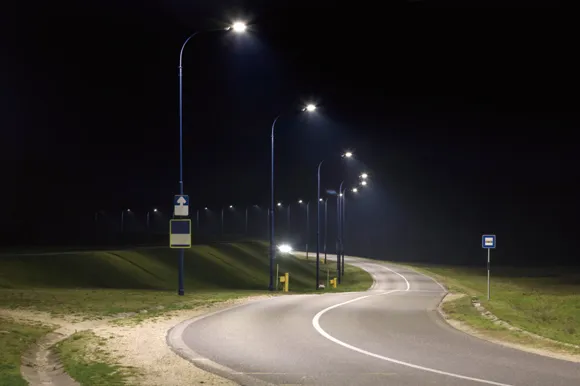
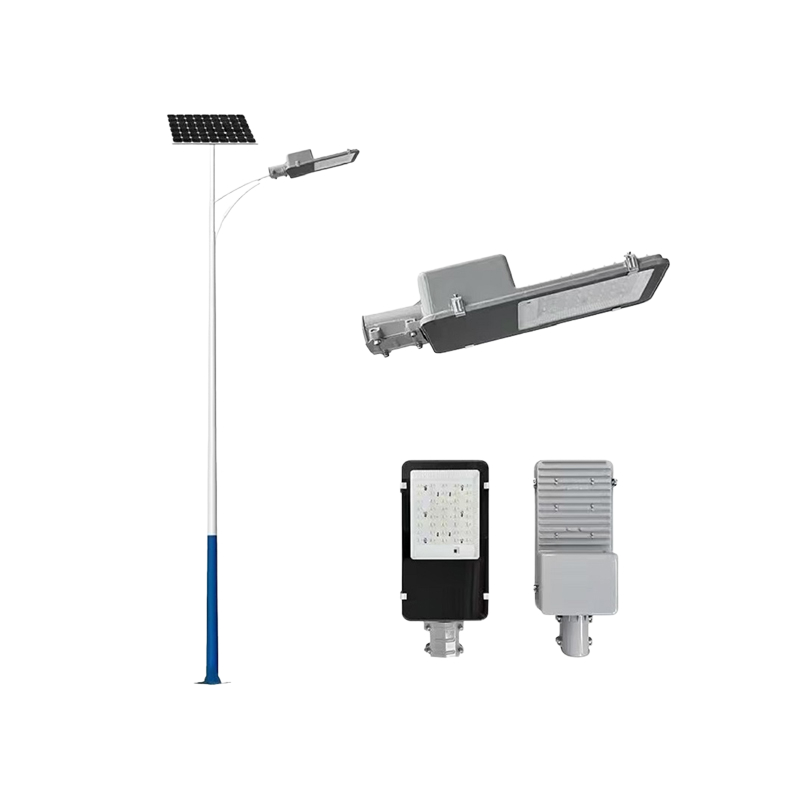
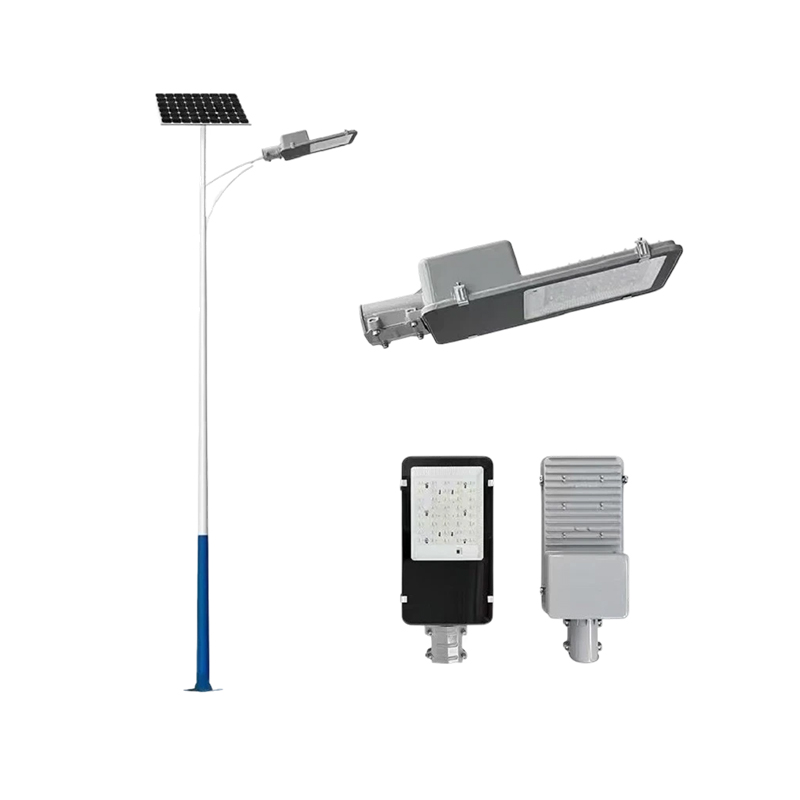
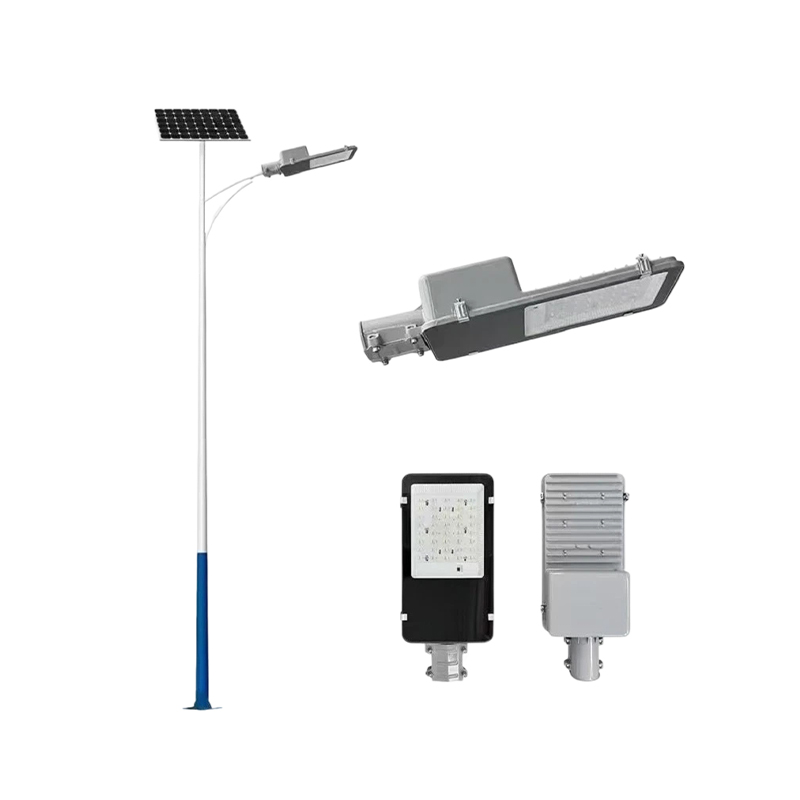
This solar street light is equipped with a 70W monocrystalline silicon solar panel with a photoelectric conversion efficiency of over 18%. During the day, sunlight shines on the photovoltaic panel surface, directly converting light energy into DC electricity through the photovoltaic effect of semiconductor materials. This process is noiseless, pollution-free, and requires no fuel, relying entirely on nature's most abundant renewable resource—sunlight. Even under cloudy or low-light conditions, the high-efficiency components can still effectively collect energy, continuously charging the energy storage system. Compared to traditional streetlights that rely on grid power, solar streetlights cut off the carbon emission chain at its source, truly achieving a closed-loop cycle of "generating electricity with light and illuminating with light."
2. Intelligent Energy Storage System: Long-Life Batteries Ensure Stable Operation
The intermittent nature of energy is a major challenge for solar energy applications, but high-performance energy storage units solve this problem. This system uses 50Ah lithium iron phosphate batteries, which have advantages such as high energy density, long cycle life, and good thermal stability, with a service life of 5-7 years. Compared to lead-acid batteries, lithium iron phosphate batteries are more environmentally friendly, more heat-resistant, and support deep charging and discharging without significant degradation. The electrical energy stored during the day is automatically released at night, driving the LED light source for 6-8 hours, fully meeting the needs of conventional road lighting. Even after 3-5 consecutive days of cloudy or rainy weather, the system can still maintain basic lighting thanks to its redundant design, ensuring reliability.

3. High-Efficiency Lighting and Intelligent Control: Energy Saving and Humanization Combined
The streetlights are equipped with 80W high-brightness LED light sources, with a luminous efficacy of over 130 lm/W, far exceeding that of traditional high-pressure sodium lamps. Its moderate color temperature and excellent color rendering provide a clear and comfortable nighttime visual environment. Simultaneously, the entire light source achieves an IP65 waterproof rating, resisting heavy rain and dust corrosion, and adapting to complex outdoor climates. The control system uses a photosensitive sensor linked to a microprocessor: it automatically turns on at dusk and automatically turns off at dawn; the operating time can also be flexibly set according to seasonal or regional needs. Some advanced models also support remote monitoring and power adjustment, further optimizing energy consumption and extending system lifespan.
4. Robust Structural Design: Low-Carbon Operation and Maintenance Throughout the Lifecycle
The light pole is made of Q235 high-quality carbon steel in a one-piece formed tapered tube, offering high structural strength and good wind resistance. The surface is hot-dip galvanized and then sprayed with outdoor-specific anti-rust paint, forming a double anti-corrosion barrier, ensuring long-term corrosion resistance in harsh environments such as coastal areas, high humidity, or industrial zones. This high-durability design significantly reduces maintenance frequency and replacement costs, avoiding the resource waste and carbon footprint caused by frequent maintenance of traditional streetlights.
5. Reducing Dependence on Non-Renewable Energy and Contributing to Sustainable Development
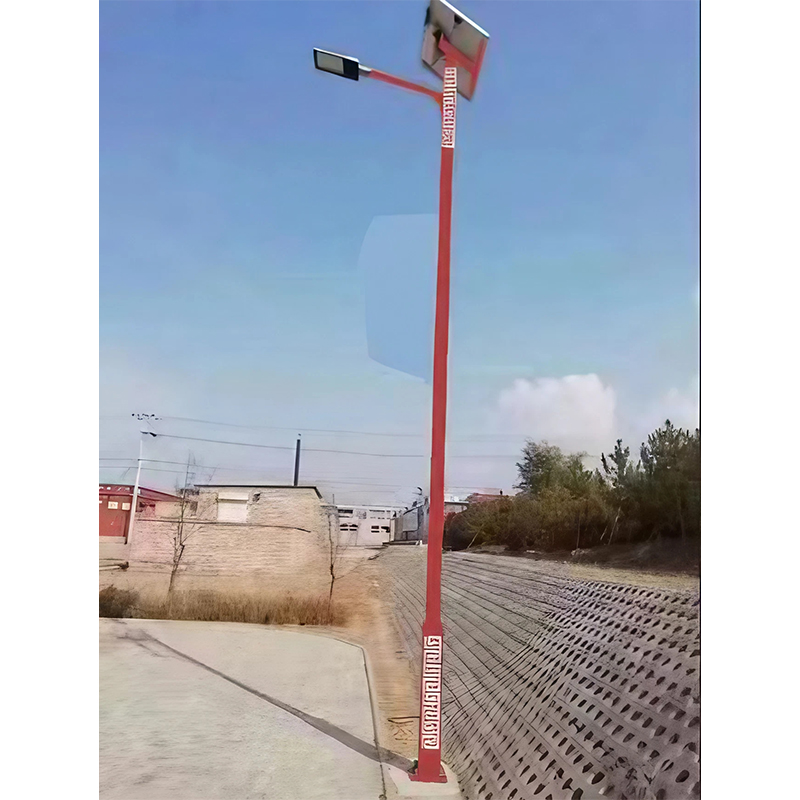
Solar street lights can save approximately 3–5 tons of standard coal and reduce carbon dioxide emissions by 8–12 tons over their lifespan. More importantly, they require no cable laying or road excavation, making installation convenient and particularly suitable for remote rural areas, mountain roads, park trails, and other areas with weak power grid coverage. Large-scale deployment will not only alleviate urban power grid load but also enhance energy security and resilience.
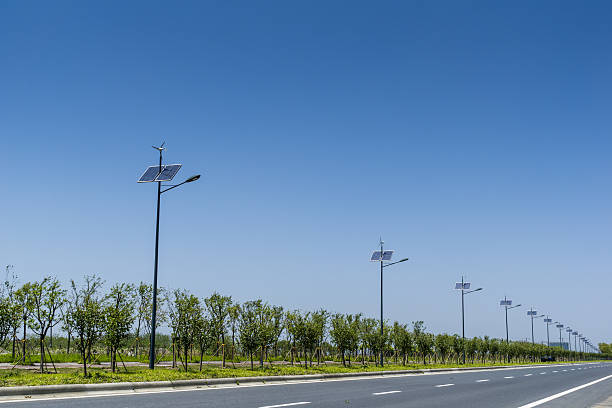
Solar street lights are not merely lighting tools; they are a concrete expression of green principles. Using nature as a source and technology as a bridge, they transform sunlight into warm light, subtly changing our dependence on energy. In the construction of future smart cities and ecological civilization, these self-sufficient clean energy devices will undoubtedly illuminate more corners and light the path to a sustainable future for humanity.