


How do solar street lights achieve automatic start-up at dusk using automatic light-sensing control in nighttime lighting?
Release Time : 2026-03-10
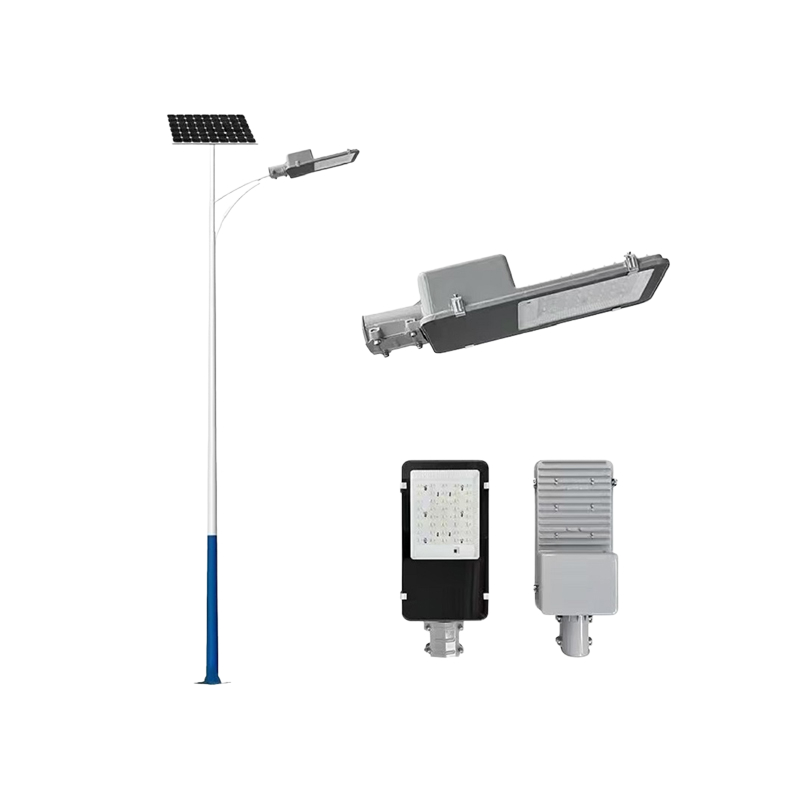
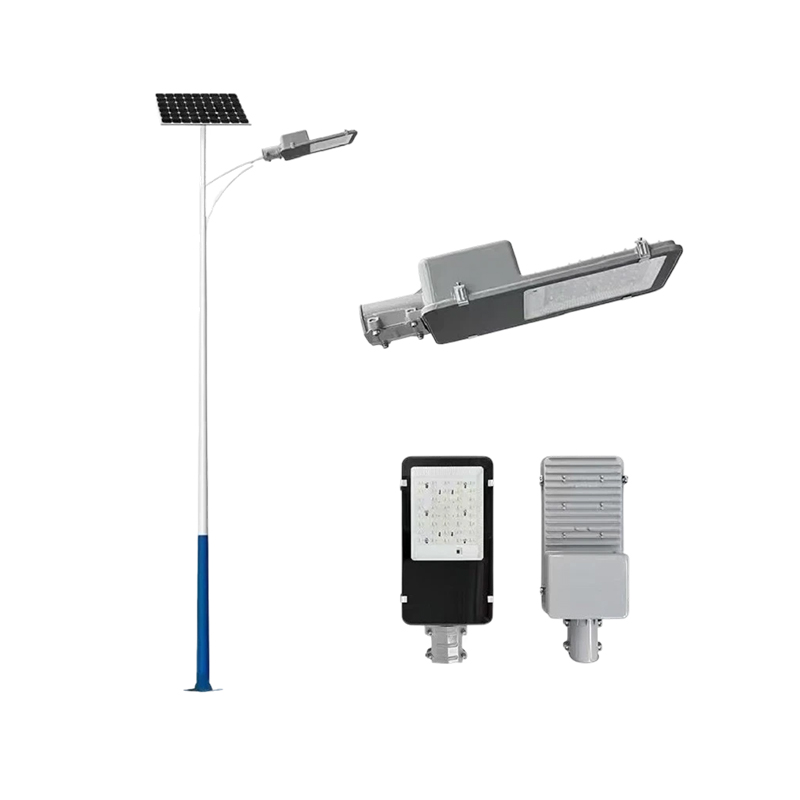
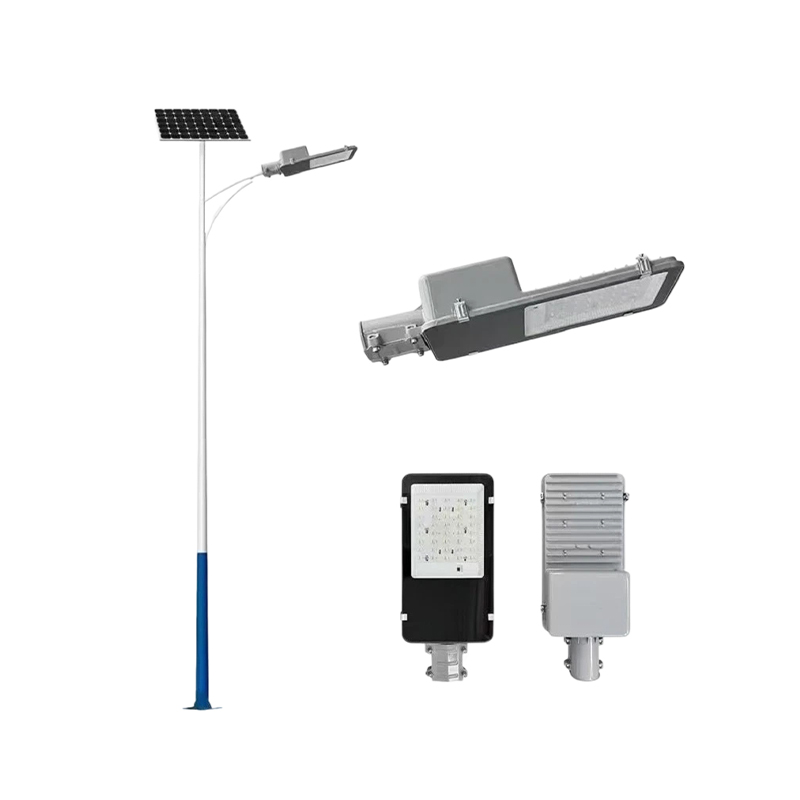
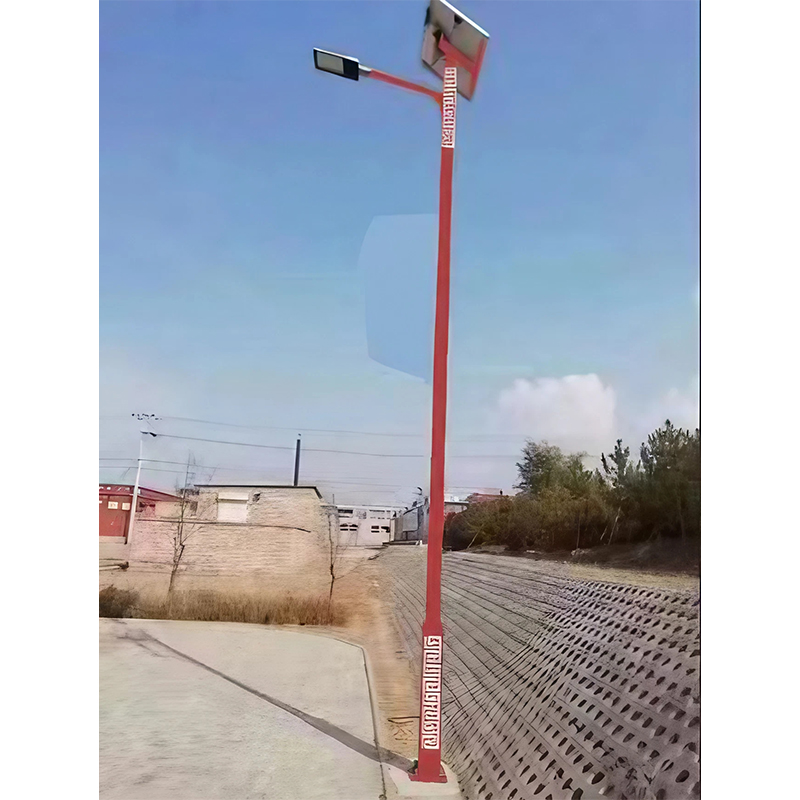
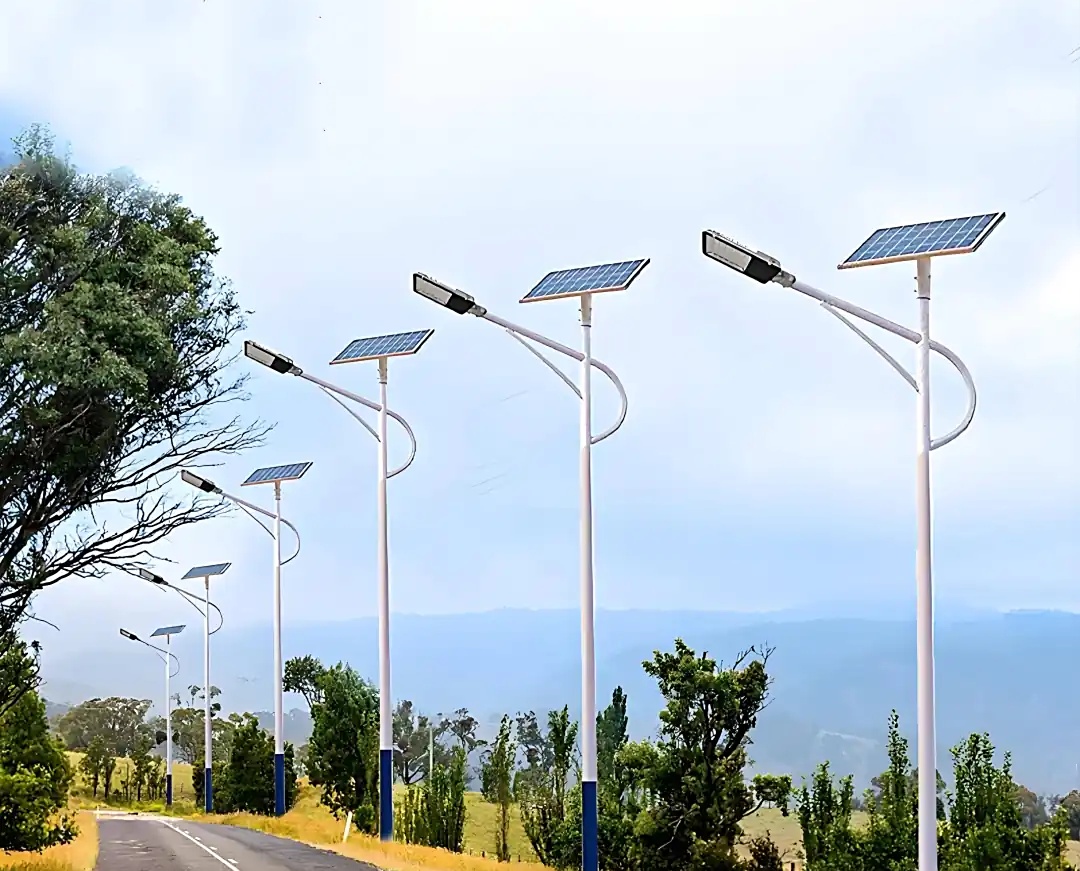
In modern urban and rural road lighting systems, solar street lights are widely used due to their energy-saving, environmentally friendly, easy-to-install, and independent power supply advantages. Compared to traditional streetlights, solar street lights utilize solar energy as their primary energy source, converting light energy into electrical energy through solar panels and storing it in batteries to provide power for the lighting system at night. Automatic light-sensing control technology is one of the key functions of solar street lights. It can automatically control the on/off state of the lights based on changes in ambient light, thus achieving intelligent lighting management. Through this technology, solar street lights can automatically turn on when it gets dark and automatically turn off during the day, improving not only ease of use but also effectively enhancing energy efficiency.
1. Photosensitive Control System for Automatic Ambient Light Detection
The automatic start-up of solar street lights at dusk primarily relies on their internal photosensitive control system. This system typically consists of a photosensitive sensor or light control module that can detect the ambient light intensity in real time. During the day, when sunlight is abundant, sensors detect high illuminance levels, and the control system keeps the lights off while the solar panels continuously charge the batteries. As evening approaches and ambient light gradually weakens, when sensors detect light intensity below a set value, the controller sends a signal to automatically activate the LED lights, thus achieving automatic nighttime illumination.
2. Intelligent Controller Coordinates Component Operation
In a solar street light system, the intelligent controller is the core device for automatic light-sensing control. The controller not only receives light information from the photosensitive sensors but also manages the operating status of the solar panels, lithium batteries, and LED lights. For example, when the light intensity drops to a set range, the controller automatically turns on the lighting system and controls the lights' operating time according to a preset program. Many solar street lights are designed to operate automatically for approximately 6 hours at night, automatically shutting off after the set time, ensuring efficient use of battery power.
3. LED Light Source Improves Lighting Efficiency
Solar street lights typically use LED light sources as the primary lighting equipment, such as 60W LED lights. LED light sources have advantages such as high luminous efficiency, low energy consumption, and long lifespan, making them ideal for use with solar energy systems. When the automatic light-sensing system activates the lights, the LED light source quickly provides stable brightness, offering clear illumination for the road. Simultaneously, due to the low energy consumption of LED lights, they can maintain illumination for a longer period with limited battery capacity, further improving the overall system efficiency.
4. Stable Energy Storage System Ensures Nighttime Power Supply
The automatic lighting function of solar street lights also relies on a stable energy storage system. Typically, streetlights are equipped with lithium iron phosphate batteries as energy storage devices, such as 40AH capacity batteries. These batteries are characterized by long cycle life, high safety, and good stability, storing electrical energy generated by solar panels during the day and powering the lights at night. When the automatic light-sensing system activates the lighting, the battery continuously provides power to the LED head, ensuring stable operation of the nighttime lighting.
5. Structural and Protective Design Adapts to Outdoor Environments
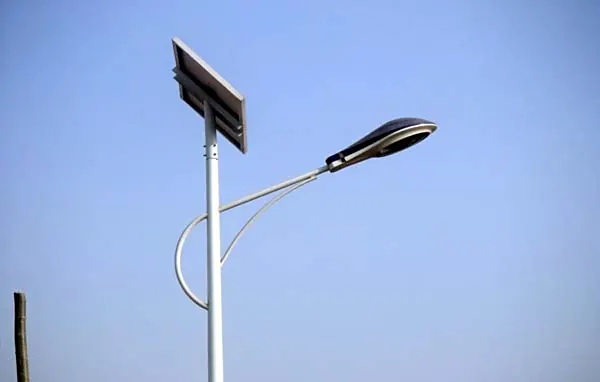
Solar street lights are installed outdoors for extended periods, therefore their overall structural design needs to possess excellent weather resistance. For example, the light poles are typically made of Q235 steel and undergo hot-dip galvanizing and anti-rust coating treatment to improve corrosion resistance. Meanwhile, LED light heads generally have an IP65 waterproof rating, allowing them to operate stably in rain, snow, or humid environments. Their stable structure and protective performance ensure reliable operation of the automatic light-sensing control system under various environmental conditions.
Solar street lights, through the coordinated operation of photosensors, intelligent controllers, LED light sources, and a stable energy storage system, achieve intelligent lighting functions that automatically start at dusk and automatically turn off during the day. This automatic light-sensing control method not only enhances the intelligence level of the lighting system but also effectively reduces energy waste.
1. Photosensitive Control System for Automatic Ambient Light Detection
The automatic start-up of solar street lights at dusk primarily relies on their internal photosensitive control system. This system typically consists of a photosensitive sensor or light control module that can detect the ambient light intensity in real time. During the day, when sunlight is abundant, sensors detect high illuminance levels, and the control system keeps the lights off while the solar panels continuously charge the batteries. As evening approaches and ambient light gradually weakens, when sensors detect light intensity below a set value, the controller sends a signal to automatically activate the LED lights, thus achieving automatic nighttime illumination.
2. Intelligent Controller Coordinates Component Operation
In a solar street light system, the intelligent controller is the core device for automatic light-sensing control. The controller not only receives light information from the photosensitive sensors but also manages the operating status of the solar panels, lithium batteries, and LED lights. For example, when the light intensity drops to a set range, the controller automatically turns on the lighting system and controls the lights' operating time according to a preset program. Many solar street lights are designed to operate automatically for approximately 6 hours at night, automatically shutting off after the set time, ensuring efficient use of battery power.
3. LED Light Source Improves Lighting Efficiency
Solar street lights typically use LED light sources as the primary lighting equipment, such as 60W LED lights. LED light sources have advantages such as high luminous efficiency, low energy consumption, and long lifespan, making them ideal for use with solar energy systems. When the automatic light-sensing system activates the lights, the LED light source quickly provides stable brightness, offering clear illumination for the road. Simultaneously, due to the low energy consumption of LED lights, they can maintain illumination for a longer period with limited battery capacity, further improving the overall system efficiency.
4. Stable Energy Storage System Ensures Nighttime Power Supply
The automatic lighting function of solar street lights also relies on a stable energy storage system. Typically, streetlights are equipped with lithium iron phosphate batteries as energy storage devices, such as 40AH capacity batteries. These batteries are characterized by long cycle life, high safety, and good stability, storing electrical energy generated by solar panels during the day and powering the lights at night. When the automatic light-sensing system activates the lighting, the battery continuously provides power to the LED head, ensuring stable operation of the nighttime lighting.
5. Structural and Protective Design Adapts to Outdoor Environments
Solar street lights are installed outdoors for extended periods, therefore their overall structural design needs to possess excellent weather resistance. For example, the light poles are typically made of Q235 steel and undergo hot-dip galvanizing and anti-rust coating treatment to improve corrosion resistance. Meanwhile, LED light heads generally have an IP65 waterproof rating, allowing them to operate stably in rain, snow, or humid environments. Their stable structure and protective performance ensure reliable operation of the automatic light-sensing control system under various environmental conditions.
Solar street lights, through the coordinated operation of photosensors, intelligent controllers, LED light sources, and a stable energy storage system, achieve intelligent lighting functions that automatically start at dusk and automatically turn off during the day. This automatic light-sensing control method not only enhances the intelligence level of the lighting system but also effectively reduces energy waste.