


How can solar street lights achieve energy savings while maintaining brightness when using 60W LED light sources?
Release Time : 2026-03-09
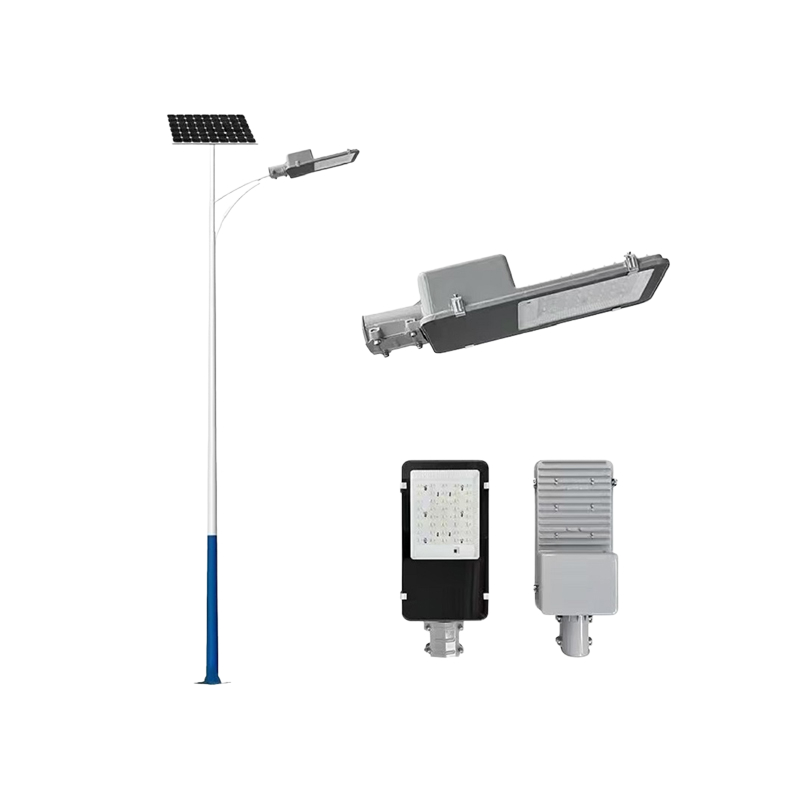
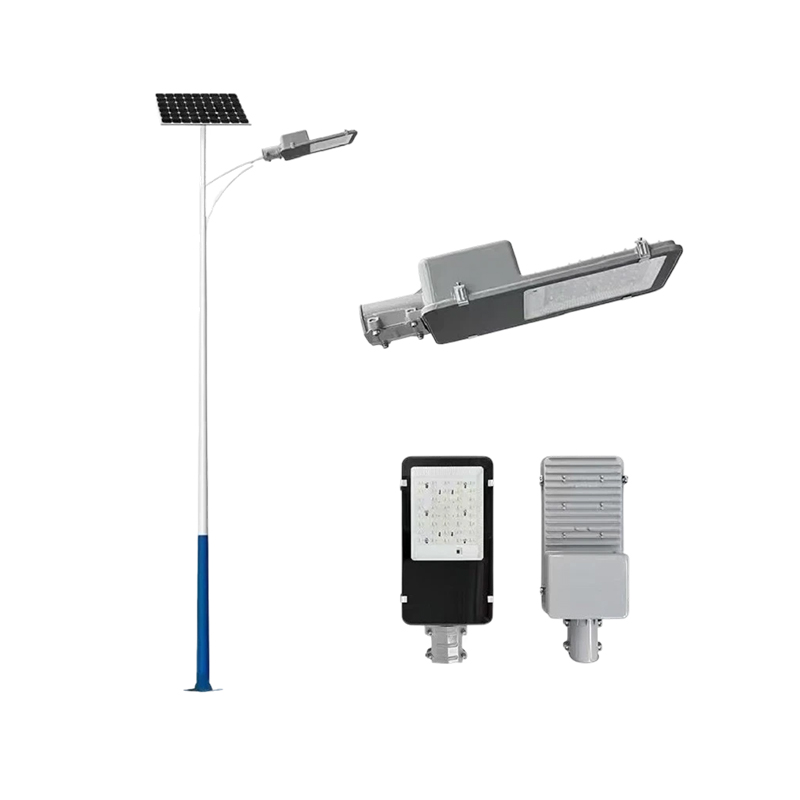
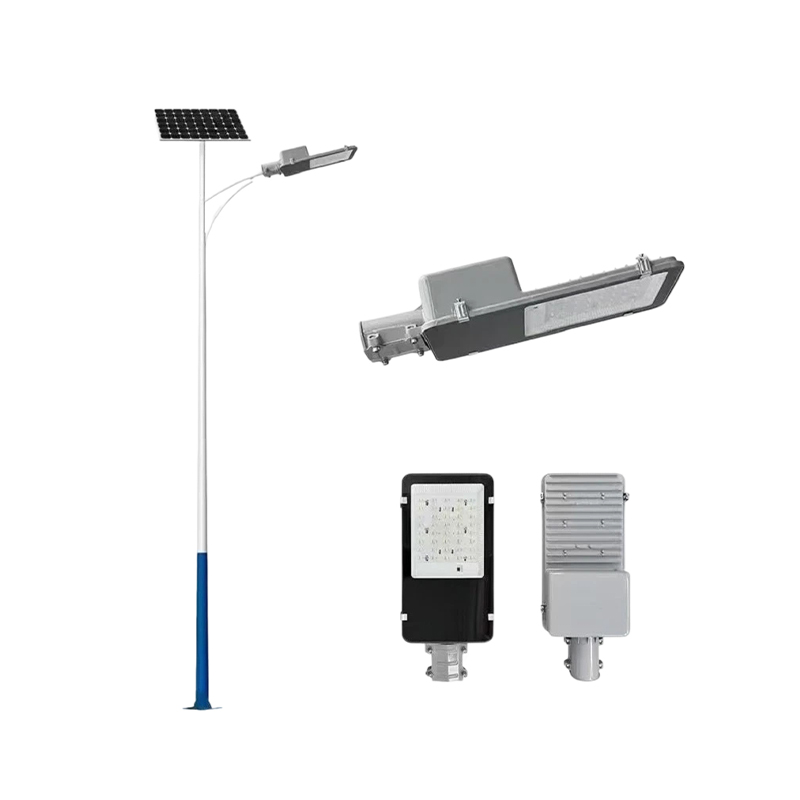
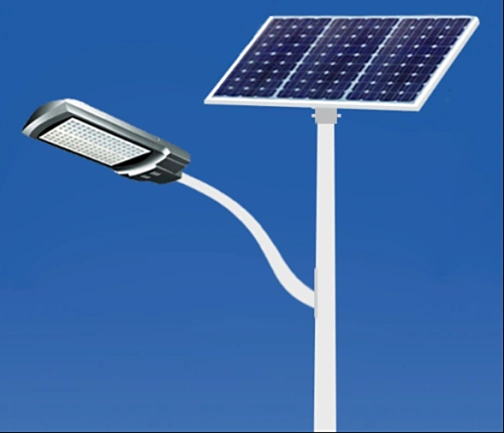
In modern road lighting systems, solar street lights are widely used due to their green and environmentally friendly characteristics and independent power supply. Compared to traditional streetlights, solar street lights utilize solar panels to convert light energy into electrical energy, which is then supplied to the lights at night via energy storage batteries. In this system, LED light sources are a crucial component for achieving efficient lighting. For example, solar street lights using 60W LED light sources can meet the brightness requirements of road lighting while achieving energy savings through efficient energy utilization. Through reasonable light source design, intelligent control, and system optimization, energy consumption can be effectively reduced while ensuring lighting quality.
1. The High Luminous Efficacy Advantage of LED Light Sources
LED light sources have high luminous efficacy, which is an important factor in achieving energy-saving lighting. Compared to traditional incandescent or high-pressure sodium lamps, LED lamps can produce higher brightness output under the same power conditions. For example, a 60W LED lamp head can provide sufficient lighting brightness while consuming relatively little energy. High luminous efficacy means that more electrical energy is converted into light energy rather than being dissipated as heat, thereby improving energy utilization efficiency. This high-efficiency lighting characteristic makes LED light sources an ideal choice for solar street lights systems.
2. Optimized Optical Design Improves Lighting Utilization
In solar street lights, the power of the light source alone cannot completely determine the lighting effect; the optical design of the luminaire is equally important. By rationally designing the reflector structure and lenses, light can be more concentrated and evenly distributed over the road area, thereby improving lighting utilization. For example, by optimizing the light distribution angle of the luminaire, the light is directed primarily onto the road surface rather than the surrounding environment, achieving better lighting effects under the same power conditions. A reasonable optical design reduces light waste, thus achieving the dual goals of energy saving and efficient lighting.
3. Intelligent Control System Optimizes Energy Consumption
Solar street lights are typically equipped with intelligent control systems to manage lighting time and energy usage. For example, streetlights can automatically start at dusk and automatically turn off at dawn using light control devices, thus avoiding unnecessary energy consumption. Furthermore, some systems can control lighting time according to preset programs, such as automatically turning off after 6 hours of operation each day. This intelligent management approach allows for more rational use of limited electrical energy, thereby improving overall energy efficiency.
4. Stable Energy Storage System Ensures Energy Utilization
Solar street lights collect electricity during the day through solar panels and store it in lithium batteries, such as 40AH lithium iron phosphate batteries. These batteries feature long cycle life and good stability, providing continuous power to the LED light source at night. A stable energy storage system ensures stable operation of the LED lights at their rated power while avoiding energy waste. By rationally matching the power of the solar panels, the power of the LED lights, and the battery capacity, a highly efficient energy utilization system can be formed.
5. Structural Design Improves Overall Efficiency
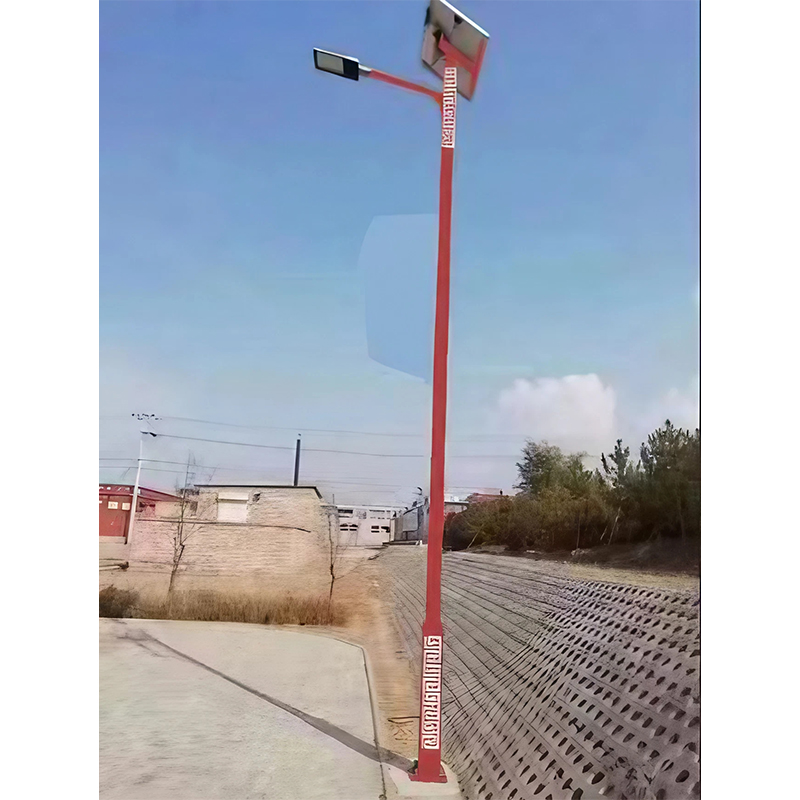
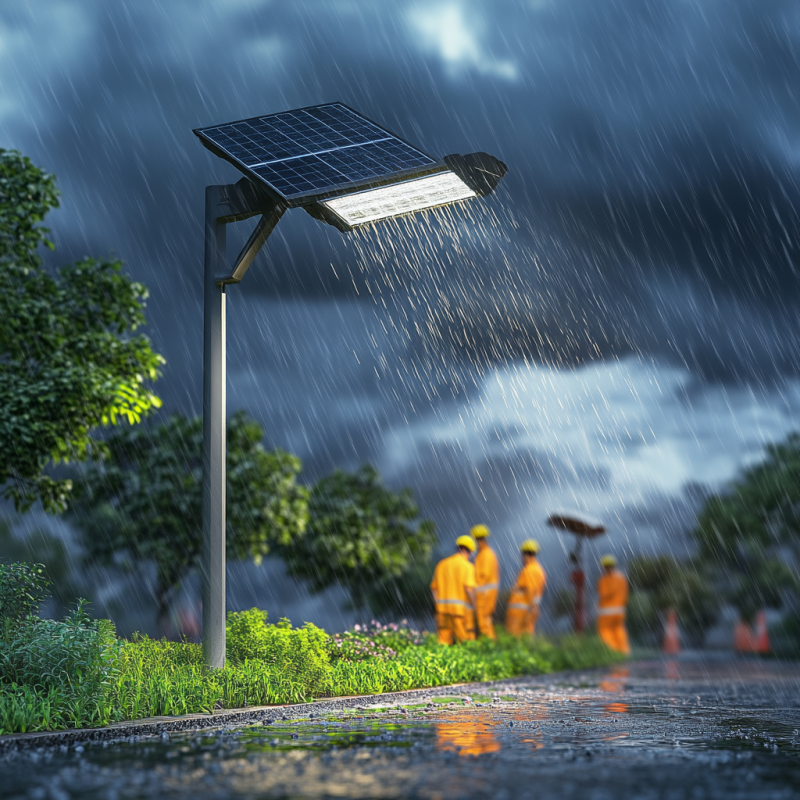
The overall structural design of solar street lights also affects energy-saving performance. For example, the pole height is typically designed to be approximately 6 meters, allowing the light to cover a larger illumination area, thus reducing the number of lights required. Simultaneously, the lights generally have good waterproof performance, such as an IP65 protection rating, enabling stable operation in rain and snow. A stable and durable structure reduces maintenance frequency and improves the long-term operating efficiency of the system.
When using 60W LED light sources, solar street lights can achieve a balance between good lighting effects and energy-saving performance through high-efficiency LED technology, rational optical design, intelligent control systems, and stable energy storage configurations. Through the integrated application of these technologies, solar street lights can not only meet the needs of nighttime road lighting, but also effectively reduce energy consumption, providing important support for green lighting and sustainable development.