


How to extend the lighting time of solar street lights under insufficient sunlight conditions through energy storage and dimming strategies?
Release Time : 2026-03-31
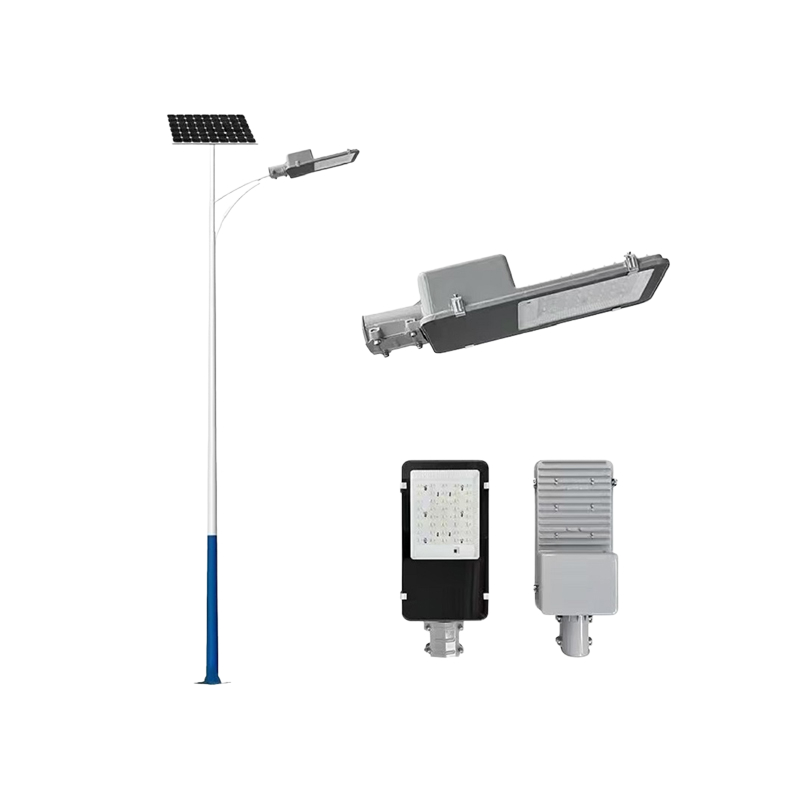
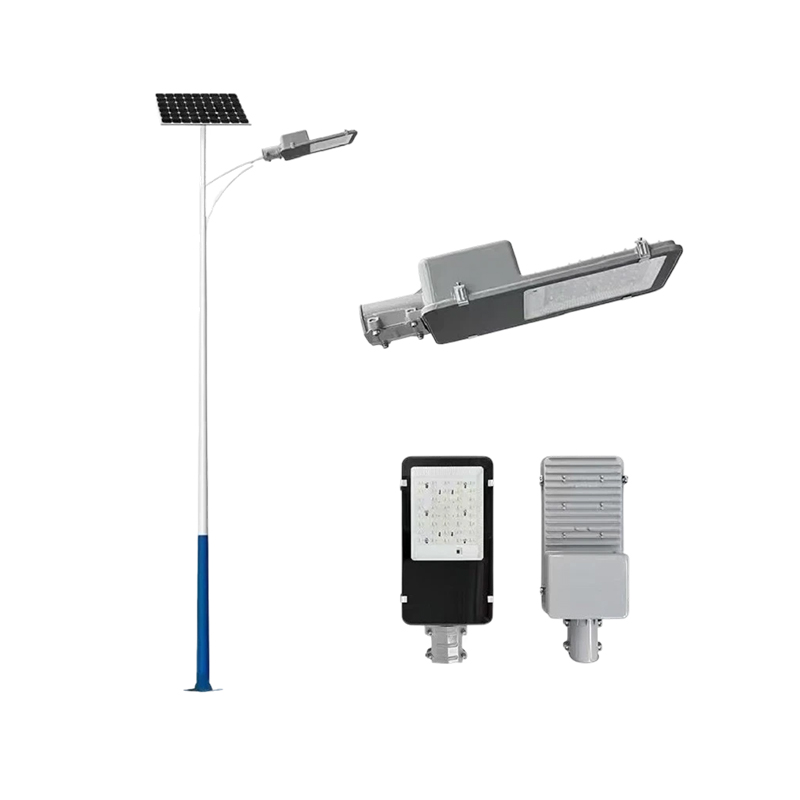
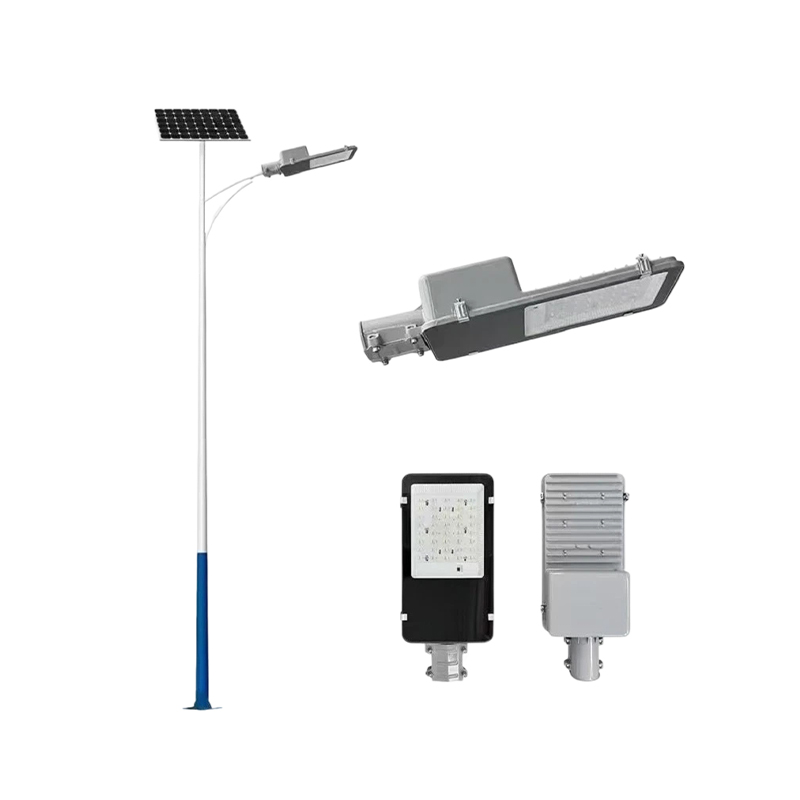
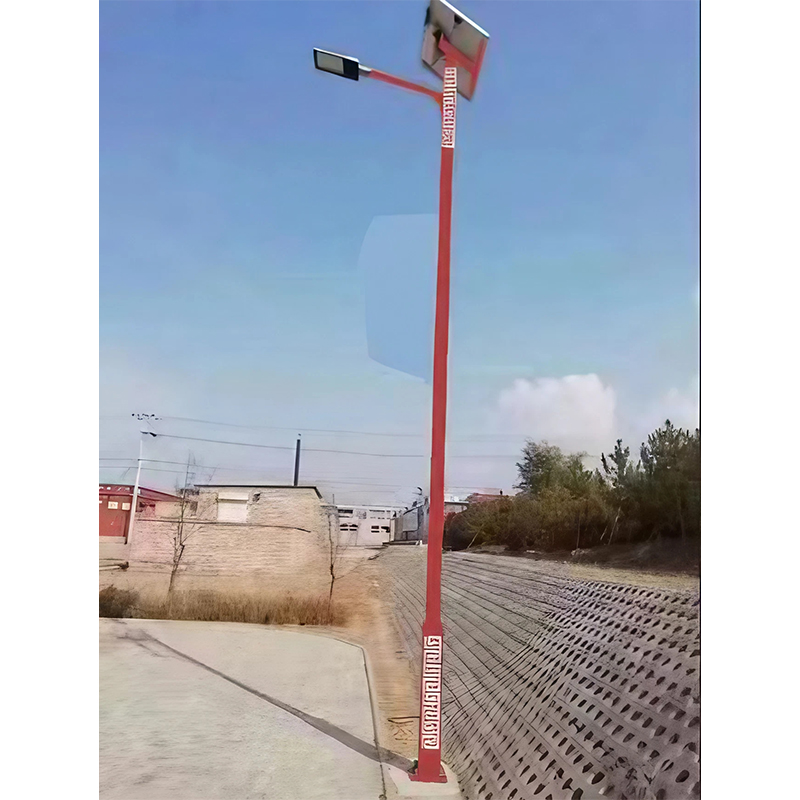
Solar street lights are widely used in modern urban and rural road lighting due to their green energy-saving features, ease of installation, and low maintenance costs. However, the light source of solar street lights depends on the light intensity of the solar panels. When there are consecutive cloudy or rainy days or insufficient sunlight, battery energy storage is limited, and the lighting time is easily shortened. By optimizing the energy storage system and intelligent dimming strategies, the lighting time of solar street lights under low-light conditions can be effectively extended, improving nighttime road safety and reliability.
1. Energy Storage System Capacity Optimization
The core of solar street light energy storage is a lithium iron phosphate battery or other rechargeable battery, and its capacity directly determines the duration of continuous power supply for the lights. Under insufficient sunlight conditions, if the energy storage system has a sufficiently large capacity, nighttime lighting can still be maintained even with insufficient sunlight. During the design process, the battery capacity needs to be reasonably calculated based on local sunlight conditions and the number of consecutive cloudy or rainy days. For example, a 50AH lithium iron phosphate battery can guarantee 6-8 hours of lighting under normal lighting conditions. During continuous cloudy or rainy weather, increasing battery capacity or configuring backup energy storage modules can extend nighttime operating time, ensuring stable operation of the streetlights.
2. Intelligent Dimming Strategies Improve Energy Efficiency
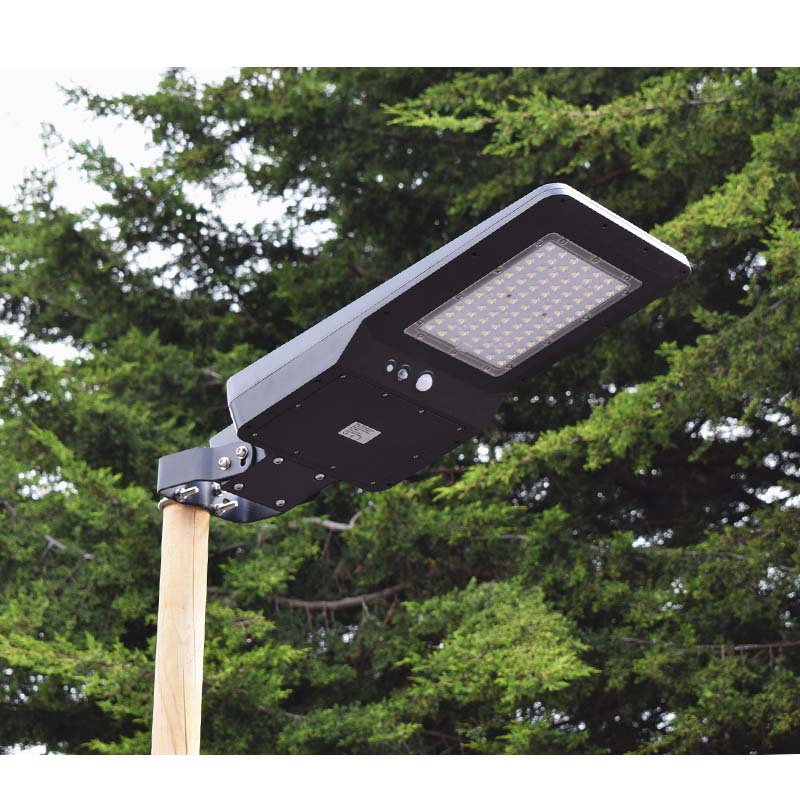
Besides energy storage capacity, dimming strategies play a crucial role in extending lighting time. Solar streetlights are typically equipped with intelligent control systems that automatically adjust output power based on battery level and ambient light intensity. When sunlight is insufficient or battery power is low, the light brightness can be appropriately reduced, for example, from full power 80W to 60W or 50W, to reduce energy consumption and extend lighting time. Through tiered dimming and power optimization strategies, basic road lighting is ensured while effectively utilizing limited energy, preventing premature shutdown due to excessive battery consumption.
3. Combination of Ambient Light Sensing and Timer Control
Intelligent control systems typically combine light sensors and timers to automatically start and stop the lights based on ambient brightness. When light is insufficient, the controller can determine the battery energy storage status, delaying shutdown or appropriately reducing brightness, thereby extending lighting time with limited energy storage. Furthermore, timed control allows for flexible adjustment of lighting duration based on road usage needs. For example, at night when pedestrian or vehicular traffic is low, the lights can automatically switch to a low-power mode, reducing unnecessary energy consumption.
4. Photovoltaic Panel Efficiency and Angle Optimization
5. Comprehensive Application for Stable Lighting
Through the comprehensive application of optimized energy storage capacity, intelligent dimming strategies, light sensing and timed control, and improved solar panel efficiency, solar street lights can maintain stable lighting even in insufficient sunlight. The energy storage system provides energy security for the lights, dimming strategies extend battery life, ambient light sensing and timed control improve energy utilization efficiency, and photovoltaic panel optimization enhances overall charging capacity. This systematic design not only ensures the safety of nighttime road lighting but also enhances the reliability and lifespan of solar street lights in varying environments.
Extending the illumination time of solar street lights in low-light conditions requires the coordinated optimization of energy storage systems and intelligent dimming strategies. Through scientific design and intelligent control, streetlights can achieve efficient and reliable nighttime illumination in low light or continuous rainy weather, providing a continuous and safe lighting environment for urban and rural roads.
1. Energy Storage System Capacity Optimization
The core of solar street light energy storage is a lithium iron phosphate battery or other rechargeable battery, and its capacity directly determines the duration of continuous power supply for the lights. Under insufficient sunlight conditions, if the energy storage system has a sufficiently large capacity, nighttime lighting can still be maintained even with insufficient sunlight. During the design process, the battery capacity needs to be reasonably calculated based on local sunlight conditions and the number of consecutive cloudy or rainy days. For example, a 50AH lithium iron phosphate battery can guarantee 6-8 hours of lighting under normal lighting conditions. During continuous cloudy or rainy weather, increasing battery capacity or configuring backup energy storage modules can extend nighttime operating time, ensuring stable operation of the streetlights.
2. Intelligent Dimming Strategies Improve Energy Efficiency
Besides energy storage capacity, dimming strategies play a crucial role in extending lighting time. Solar streetlights are typically equipped with intelligent control systems that automatically adjust output power based on battery level and ambient light intensity. When sunlight is insufficient or battery power is low, the light brightness can be appropriately reduced, for example, from full power 80W to 60W or 50W, to reduce energy consumption and extend lighting time. Through tiered dimming and power optimization strategies, basic road lighting is ensured while effectively utilizing limited energy, preventing premature shutdown due to excessive battery consumption.
3. Combination of Ambient Light Sensing and Timer Control
Intelligent control systems typically combine light sensors and timers to automatically start and stop the lights based on ambient brightness. When light is insufficient, the controller can determine the battery energy storage status, delaying shutdown or appropriately reducing brightness, thereby extending lighting time with limited energy storage. Furthermore, timed control allows for flexible adjustment of lighting duration based on road usage needs. For example, at night when pedestrian or vehicular traffic is low, the lights can automatically switch to a low-power mode, reducing unnecessary energy consumption.
4. Photovoltaic Panel Efficiency and Angle Optimization
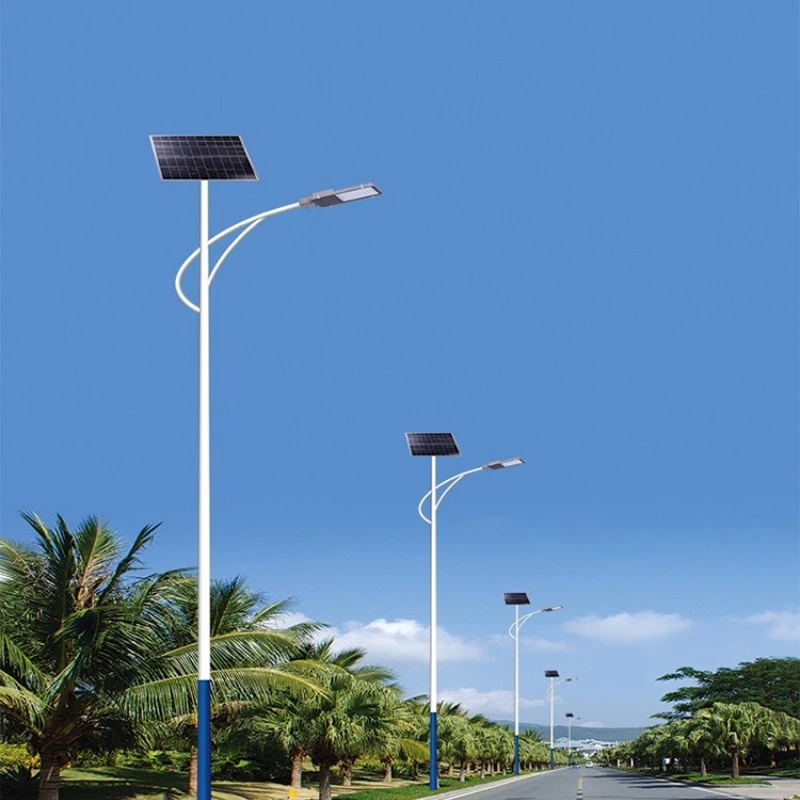
While energy storage and dimming strategies can alleviate insufficient sunlight, the solar panel's own light harvesting efficiency is equally crucial. By optimizing the solar panel's tilt angle, orientation, and surface cleaning and maintenance, battery charging efficiency can be maximized under low-light conditions. High-conversion-efficiency solar panels can capture more electricity in a shorter period of sunlight, providing a more sufficient energy storage foundation for nighttime lighting.
5. Comprehensive Application for Stable Lighting
Through the comprehensive application of optimized energy storage capacity, intelligent dimming strategies, light sensing and timed control, and improved solar panel efficiency, solar street lights can maintain stable lighting even in insufficient sunlight. The energy storage system provides energy security for the lights, dimming strategies extend battery life, ambient light sensing and timed control improve energy utilization efficiency, and photovoltaic panel optimization enhances overall charging capacity. This systematic design not only ensures the safety of nighttime road lighting but also enhances the reliability and lifespan of solar street lights in varying environments.
Extending the illumination time of solar street lights in low-light conditions requires the coordinated optimization of energy storage systems and intelligent dimming strategies. Through scientific design and intelligent control, streetlights can achieve efficient and reliable nighttime illumination in low light or continuous rainy weather, providing a continuous and safe lighting environment for urban and rural roads.