


How to maintain stable performance of solar street lights in high or low temperature environments?
Release Time : 2026-04-21
Solar street lights operating outdoors for extended periods face complex environments including extreme heat, cold, and diurnal temperature variations. Inadequate system design can easily lead to battery degradation, decreased photovoltaic efficiency, or control system failure. Comprehensive optimization of material selection, structural design, and energy management is key to ensuring stable performance of solar street lights in extreme temperature environments.
1. Photovoltaic Module Temperature Resistance Design Enhances Power Generation Stability
Solar panels may experience reduced conversion efficiency at high temperatures, while low temperatures can affect startup performance. Selecting photovoltaic materials with good temperature adaptability and optimizing encapsulation processes can reduce the impact of temperature on power generation efficiency. Simultaneously, a well-designed installation angle and ventilation gap help reduce heat buildup and improve overall power generation stability.
2. Lithium Iron Phosphate Batteries Enhance Wide Temperature Adaptability
The energy storage system is the core of stable operation of solar street lights. Compared to traditional batteries, lithium iron phosphate batteries offer better thermal stability and cycle life. In high-temperature environments, it is less prone to thermal runaway; in low-temperature environments, performance degradation can be reduced by controlling the charge and discharge rates through a reasonable battery management system. This wide temperature adaptability allows the system to maintain reliable power supply even in extreme climates.
3. Optimized Charge and Discharge Strategies by the Battery Management System
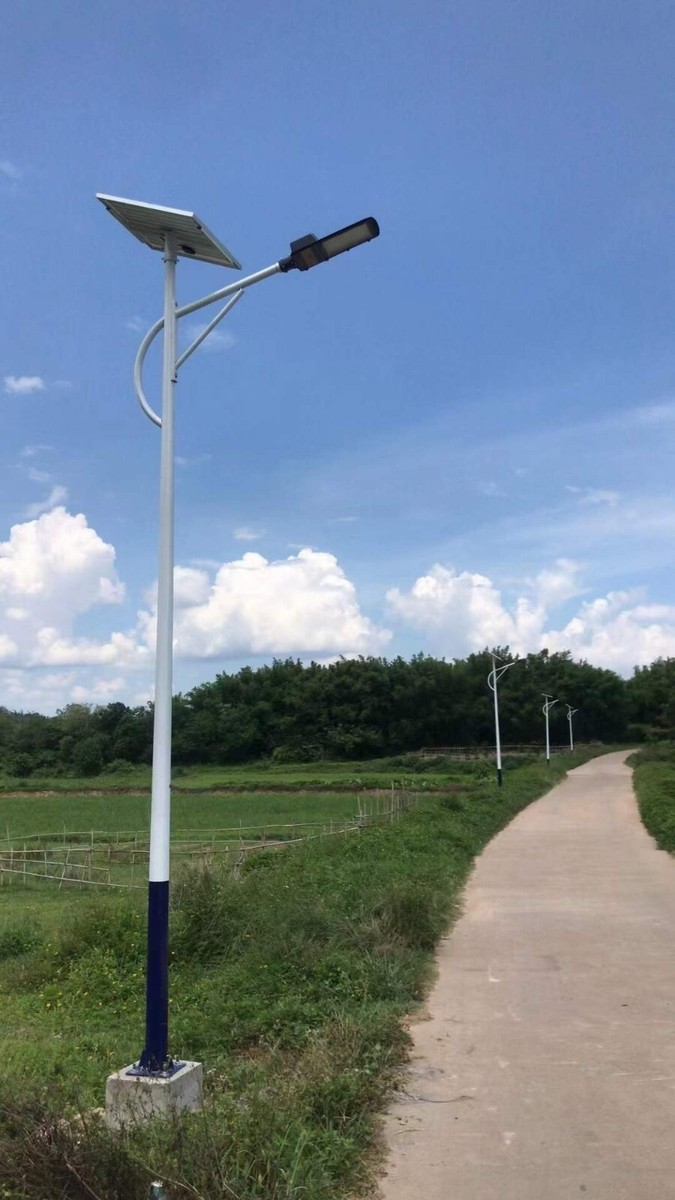
The battery management system dynamically adjusts charge and discharge parameters by monitoring temperature, voltage, and current in real time. In high-temperature environments, the system can reduce charging current to reduce heat accumulation; in low-temperature environments, it protects battery performance by limiting the depth of discharge. This intelligent adjustment mechanism helps extend battery life and maintain output stability.
4. Enhanced Operational Reliability through LED Light Source Thermal Management
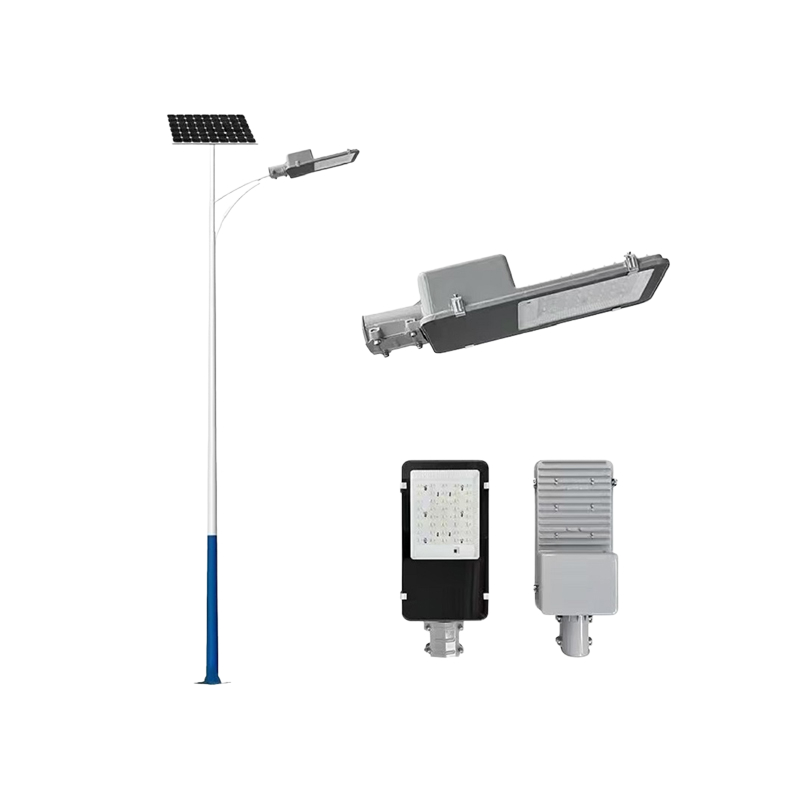
LED lamp heads are prone to accelerated light decay due to poor heat dissipation in high-temperature environments. By optimizing the heat dissipation structure, such as adding heat sinks or improving the ventilation design of the lamp body, the operating temperature can be effectively reduced. Meanwhile, in low-temperature environments, LED light sources have the advantage of rapid start-up, ensuring immediate illumination unaffected by ambient temperature.
5. Enhanced Environmental Adaptability through Structural and Protective Design
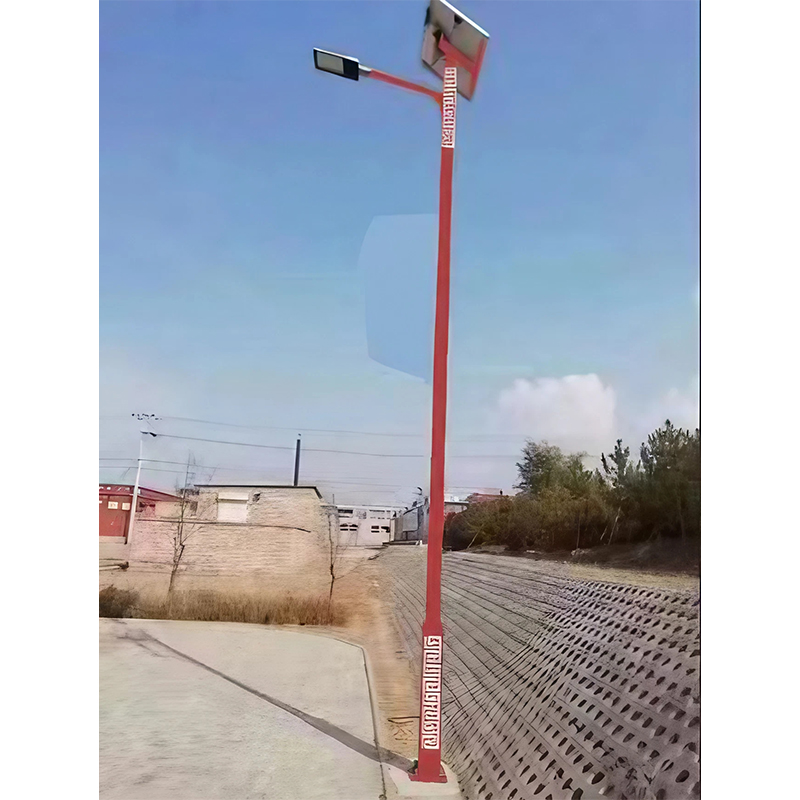
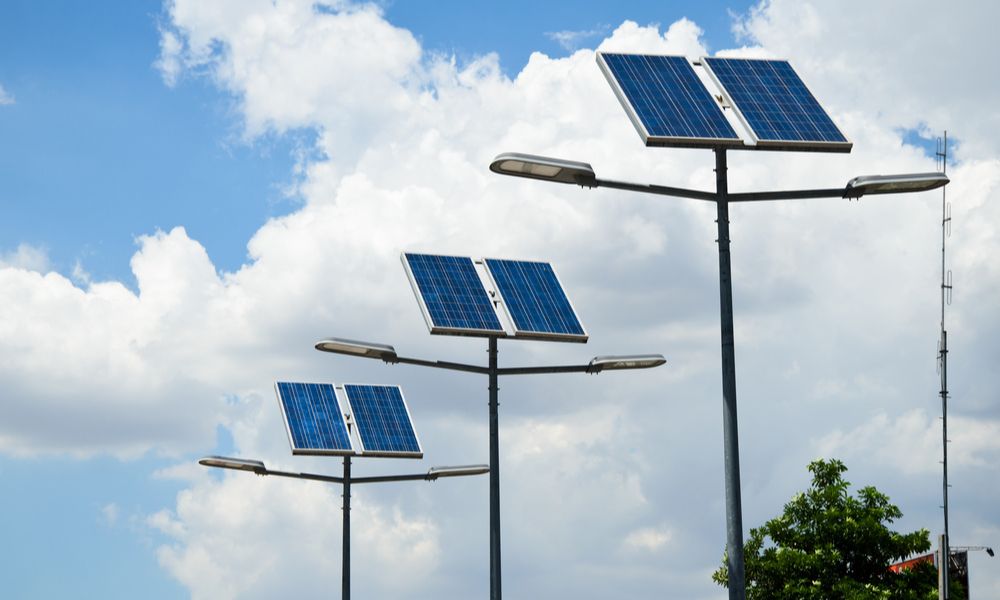
The lamp post and control system housing are made of weather-resistant materials and feature a sealed design, effectively preventing physical damage caused by temperature changes, such as thermal expansion and contraction or icing. The waterproof and dustproof structure not only protects internal electronic components but also prevents moisture from freezing and causing malfunctions in low-temperature environments, thus improving overall system stability.
In summary, solar street lights, through a collaborative design encompassing photovoltaic optimization, battery management, thermal control, and structural protection, effectively ensure stable system performance in both high and low temperature environments. This comprehensive design approach enables continuous and reliable operation under complex climatic conditions, providing stable energy support for outdoor lighting.
1. Photovoltaic Module Temperature Resistance Design Enhances Power Generation Stability
Solar panels may experience reduced conversion efficiency at high temperatures, while low temperatures can affect startup performance. Selecting photovoltaic materials with good temperature adaptability and optimizing encapsulation processes can reduce the impact of temperature on power generation efficiency. Simultaneously, a well-designed installation angle and ventilation gap help reduce heat buildup and improve overall power generation stability.
2. Lithium Iron Phosphate Batteries Enhance Wide Temperature Adaptability
The energy storage system is the core of stable operation of solar street lights. Compared to traditional batteries, lithium iron phosphate batteries offer better thermal stability and cycle life. In high-temperature environments, it is less prone to thermal runaway; in low-temperature environments, performance degradation can be reduced by controlling the charge and discharge rates through a reasonable battery management system. This wide temperature adaptability allows the system to maintain reliable power supply even in extreme climates.
3. Optimized Charge and Discharge Strategies by the Battery Management System
The battery management system dynamically adjusts charge and discharge parameters by monitoring temperature, voltage, and current in real time. In high-temperature environments, the system can reduce charging current to reduce heat accumulation; in low-temperature environments, it protects battery performance by limiting the depth of discharge. This intelligent adjustment mechanism helps extend battery life and maintain output stability.
4. Enhanced Operational Reliability through LED Light Source Thermal Management
LED lamp heads are prone to accelerated light decay due to poor heat dissipation in high-temperature environments. By optimizing the heat dissipation structure, such as adding heat sinks or improving the ventilation design of the lamp body, the operating temperature can be effectively reduced. Meanwhile, in low-temperature environments, LED light sources have the advantage of rapid start-up, ensuring immediate illumination unaffected by ambient temperature.
5. Enhanced Environmental Adaptability through Structural and Protective Design
The lamp post and control system housing are made of weather-resistant materials and feature a sealed design, effectively preventing physical damage caused by temperature changes, such as thermal expansion and contraction or icing. The waterproof and dustproof structure not only protects internal electronic components but also prevents moisture from freezing and causing malfunctions in low-temperature environments, thus improving overall system stability.
In summary, solar street lights, through a collaborative design encompassing photovoltaic optimization, battery management, thermal control, and structural protection, effectively ensure stable system performance in both high and low temperature environments. This comprehensive design approach enables continuous and reliable operation under complex climatic conditions, providing stable energy support for outdoor lighting.