


How does hot-dip galvanizing combined with outdoor anti-rust spraying improve the corrosion resistance of solar street lights in humid or coastal environments?
Release Time : 2026-04-13
In humid or coastal environments, high humidity and salt spray content make metal materials highly susceptible to electrochemical corrosion. For solar street lights exposed to the outdoors for extended periods, the corrosion resistance of the light pole directly affects their service life and structural safety. The composite protective process of hot-dip galvanizing combined with outdoor anti-rust spraying significantly improves corrosion resistance and is a widely adopted and reliable solution in engineering applications.
1. The Basic Protective Role of Hot-Dip Galvanizing
Hot-dip galvanizing involves immersing steel in molten zinc, forming a dense zinc-iron alloy layer and a pure zinc layer on its surface. This coating not only provides a good physical barrier, isolating moisture and oxygen, but also possesses a "sacrificial anode" protection mechanism. When the coating is locally damaged, zinc preferentially oxidizes, thus protecting the internal steel from corrosion. This active protective characteristic allows it to maintain high corrosion resistance even in humid and salt spray environments.
2. Enhanced Secondary Barrier Effect of Spray Coating
Adding outdoor anti-rust spray coating to hot-dip galvanizing creates a second layer of protection. The spray coating typically uses weather-resistant powder coatings or fluorocarbon coatings, effectively blocking the intrusion of ultraviolet rays, moisture, and salt. Especially in coastal areas where salt spray corrosion of metal surfaces is extremely severe, the spray coating significantly reduces direct contact between salt and the zinc layer, thus slowing down the consumption rate of the zinc plating and further extending the overall protective lifespan.

3. Synergistic Effect of Composite Processes
Single protective measures are often insufficient to cope with complex environments in the long term. The combination of hot-dip galvanizing and spray coating processes forms a dual mechanism of "barrier + sacrificial protection." The outer coating isolates the system from environmental corrosion, while the inner zinc plating provides electrochemical protection. Even if the outer coating is partially damaged, the zinc layer can still provide compensatory protection. This synergistic effect significantly improves the reliability of the system, enabling solar street lights to operate stably for many years in high-humidity, high-salt environments.
4. Enhanced Anti-aging and Weather Resistance
Outdoor environments not only contain moisture and salt but also strong ultraviolet radiation and temperature fluctuations. High-quality spray coatings possess excellent resistance to UV aging, preventing powdering, cracking, or peeling. Simultaneously, the galvanized layer forms a metallurgical bond with the steel substrate, exhibiting extremely strong adhesion and resisting peeling. Under alternating hot and cold conditions, this structure effectively resists stress changes caused by thermal expansion and contraction, maintaining the integrity of the protective layer.
5. Reduced Maintenance Costs and Extended Lifespan
Through the adoption of composite anti-corrosion technology, the lifespan of solar street lights can be significantly extended, typically reaching 10 years or more. This not only reduces the risk of structural damage due to corrosion but also lowers the cost of frequent maintenance and replacement. This advantage is particularly evident in remote or maintenance-challenged areas, contributing to improved overall system economy and reliability.
6. Engineering Value in Adapting to Complex Environments
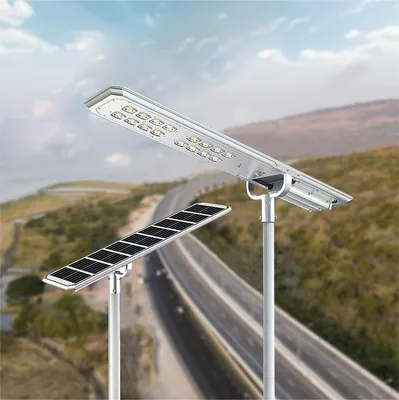
In coastal cities, island regions, or high-humidity industrial areas, environmental conditions place higher demands on equipment. The hot-dip galvanizing and outdoor anti-rust coating protective system enables solar street lights to operate stably for extended periods in these harsh environments, preventing safety hazards caused by corrosion. Simultaneously, its excellent appearance retention also contributes to enhancing the urban landscape, achieving a balance between function and aesthetics.
In summary, the combination of hot-dip galvanizing and outdoor anti-rust coating, through multi-layered protection and synergistic effects, significantly improves the corrosion resistance of solar street lights in humid and coastal environments. This process not only enhances structural reliability but also provides a solid guarantee for long-term stable operation, serving as a crucial technological support for modern outdoor lighting equipment.
1. The Basic Protective Role of Hot-Dip Galvanizing
Hot-dip galvanizing involves immersing steel in molten zinc, forming a dense zinc-iron alloy layer and a pure zinc layer on its surface. This coating not only provides a good physical barrier, isolating moisture and oxygen, but also possesses a "sacrificial anode" protection mechanism. When the coating is locally damaged, zinc preferentially oxidizes, thus protecting the internal steel from corrosion. This active protective characteristic allows it to maintain high corrosion resistance even in humid and salt spray environments.
2. Enhanced Secondary Barrier Effect of Spray Coating
Adding outdoor anti-rust spray coating to hot-dip galvanizing creates a second layer of protection. The spray coating typically uses weather-resistant powder coatings or fluorocarbon coatings, effectively blocking the intrusion of ultraviolet rays, moisture, and salt. Especially in coastal areas where salt spray corrosion of metal surfaces is extremely severe, the spray coating significantly reduces direct contact between salt and the zinc layer, thus slowing down the consumption rate of the zinc plating and further extending the overall protective lifespan.
3. Synergistic Effect of Composite Processes
Single protective measures are often insufficient to cope with complex environments in the long term. The combination of hot-dip galvanizing and spray coating processes forms a dual mechanism of "barrier + sacrificial protection." The outer coating isolates the system from environmental corrosion, while the inner zinc plating provides electrochemical protection. Even if the outer coating is partially damaged, the zinc layer can still provide compensatory protection. This synergistic effect significantly improves the reliability of the system, enabling solar street lights to operate stably for many years in high-humidity, high-salt environments.
4. Enhanced Anti-aging and Weather Resistance
Outdoor environments not only contain moisture and salt but also strong ultraviolet radiation and temperature fluctuations. High-quality spray coatings possess excellent resistance to UV aging, preventing powdering, cracking, or peeling. Simultaneously, the galvanized layer forms a metallurgical bond with the steel substrate, exhibiting extremely strong adhesion and resisting peeling. Under alternating hot and cold conditions, this structure effectively resists stress changes caused by thermal expansion and contraction, maintaining the integrity of the protective layer.
5. Reduced Maintenance Costs and Extended Lifespan
Through the adoption of composite anti-corrosion technology, the lifespan of solar street lights can be significantly extended, typically reaching 10 years or more. This not only reduces the risk of structural damage due to corrosion but also lowers the cost of frequent maintenance and replacement. This advantage is particularly evident in remote or maintenance-challenged areas, contributing to improved overall system economy and reliability.
6. Engineering Value in Adapting to Complex Environments
In coastal cities, island regions, or high-humidity industrial areas, environmental conditions place higher demands on equipment. The hot-dip galvanizing and outdoor anti-rust coating protective system enables solar street lights to operate stably for extended periods in these harsh environments, preventing safety hazards caused by corrosion. Simultaneously, its excellent appearance retention also contributes to enhancing the urban landscape, achieving a balance between function and aesthetics.
In summary, the combination of hot-dip galvanizing and outdoor anti-rust coating, through multi-layered protection and synergistic effects, significantly improves the corrosion resistance of solar street lights in humid and coastal environments. This process not only enhances structural reliability but also provides a solid guarantee for long-term stable operation, serving as a crucial technological support for modern outdoor lighting equipment.