


How can solar street lights systems demonstrate their adaptability and stable operation through configuration optimization to address seasonal variations in sunlight?
Release Time : 2026-04-14
In environments with significantly varying sunlight conditions across seasons, the key to stable operation of solar street lights systems lies in enhancing their adaptability through scientific configuration and system optimization. Due to abundant sunlight in summer and short, weak sunlight in winter, a lack of proper design can easily lead to problems such as insufficient power supply and shortened lighting hours in winter.
1. Solar Panel Capacity and Angle Optimization
Solar panels are the source of energy for the system, and their configuration directly affects the overall power generation capacity. During the design phase, appropriate selection should be made based on local annual sunlight data, appropriately increasing the power margin of the modules. For example, in areas with insufficient sunlight in winter, solar panels exceeding theoretical requirements can be selected to compensate for the decrease in power generation caused by insufficient sunlight. Simultaneously, optimizing the installation tilt angle to better facilitate the reception of low-angle sunlight in winter can significantly improve power generation efficiency under low-light conditions, thereby enhancing the system's seasonal adaptability.
2. Energy Storage System Capacity and Performance Improvement
Energy storage systems are an important guarantee for coping with fluctuations in sunlight. The 50AH lithium iron phosphate battery not only boasts a 5-7 year lifespan but also exhibits excellent cycle stability and safety. In terms of configuration, consideration should be given to continuous rainy weather, appropriately increasing the battery capacity to provide 3-5 days of energy storage redundancy. Furthermore, lithium iron phosphate batteries exhibit relatively stable performance in low-temperature environments. Through reasonable insulation design or the selection of low-temperature batteries, winter discharge efficiency can be further improved, ensuring uninterrupted lighting.
3. Intelligent Control Strategy Optimization
Modern solar street lights generally employ intelligent control systems, combining light and time control to achieve automatic start/stop and operating time adjustment. Lighting strategies can be dynamically adjusted according to the duration of sunlight in different seasons. For example, in summer, lighting time can be appropriately shortened or power output reduced to save energy; while in winter, priority is given to ensuring basic lighting time. Some systems also support time-of-use dimming, reducing brightness during periods of lower pedestrian traffic to extend the overall power supply time and improve system energy utilization efficiency.
4. LED Light Source Efficiency and Matching Design
The energy efficiency level of the LED lamp head directly affects the system load. When configuring an 80W LED light source, high-efficiency products should be prioritized to reduce energy consumption while maintaining the same brightness requirements. Simultaneously, optimizing the light distribution design to concentrate illumination on the effective area can maintain lighting effects while reducing power consumption. Furthermore, properly matching the light source power with battery capacity and solar panel power to avoid underpowered operation or insufficient power supply is a crucial prerequisite for stable operation.
5. Structural and Environmental Adaptability Design
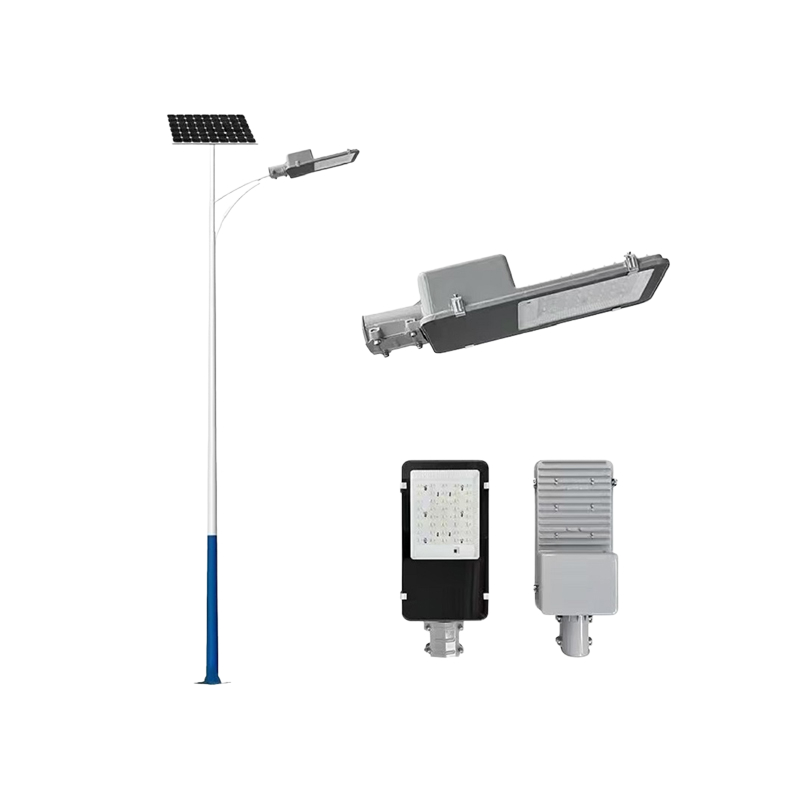
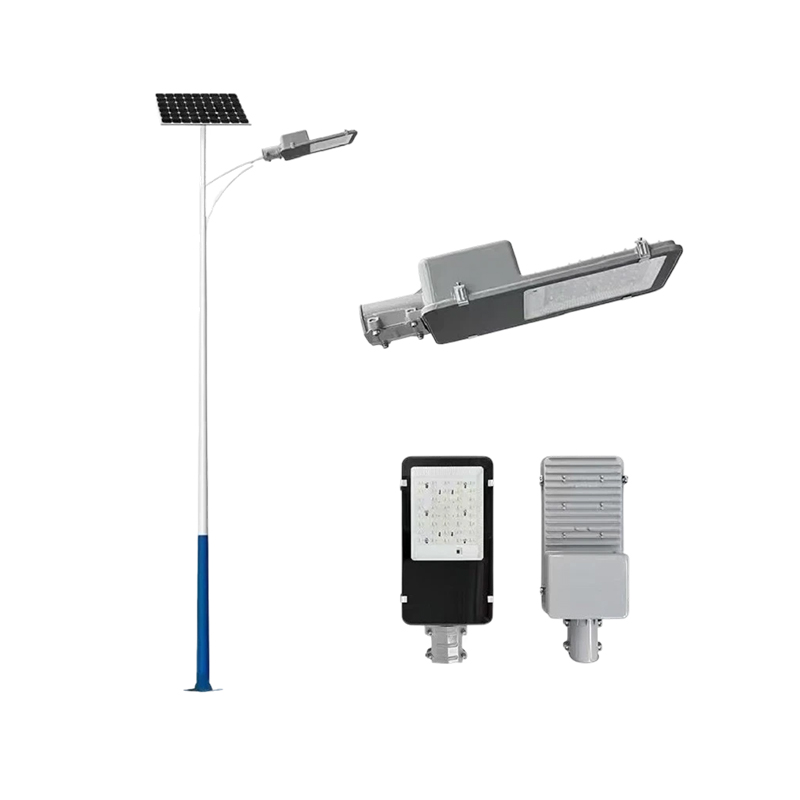
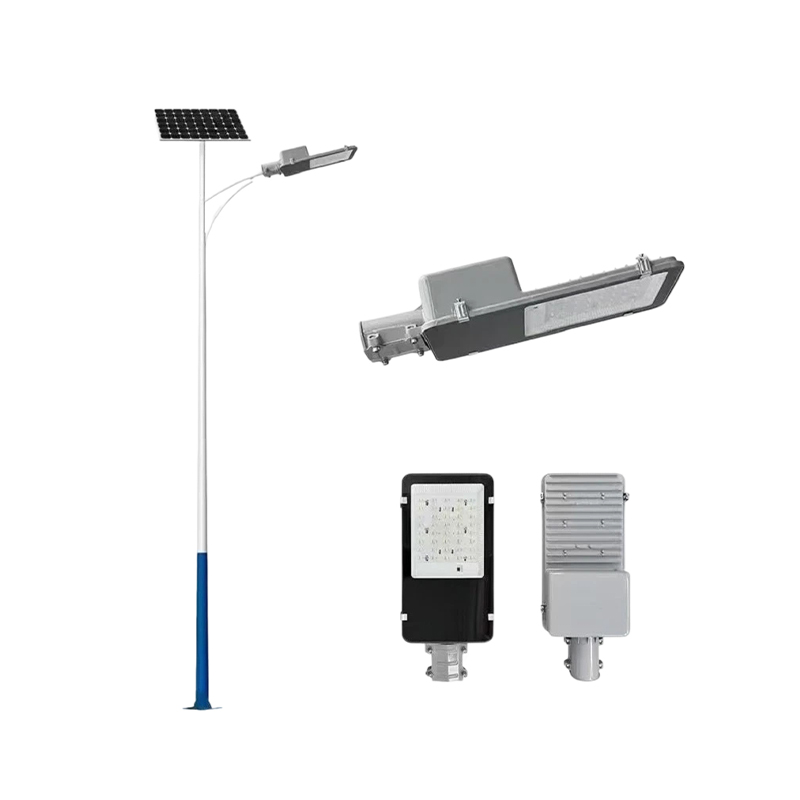
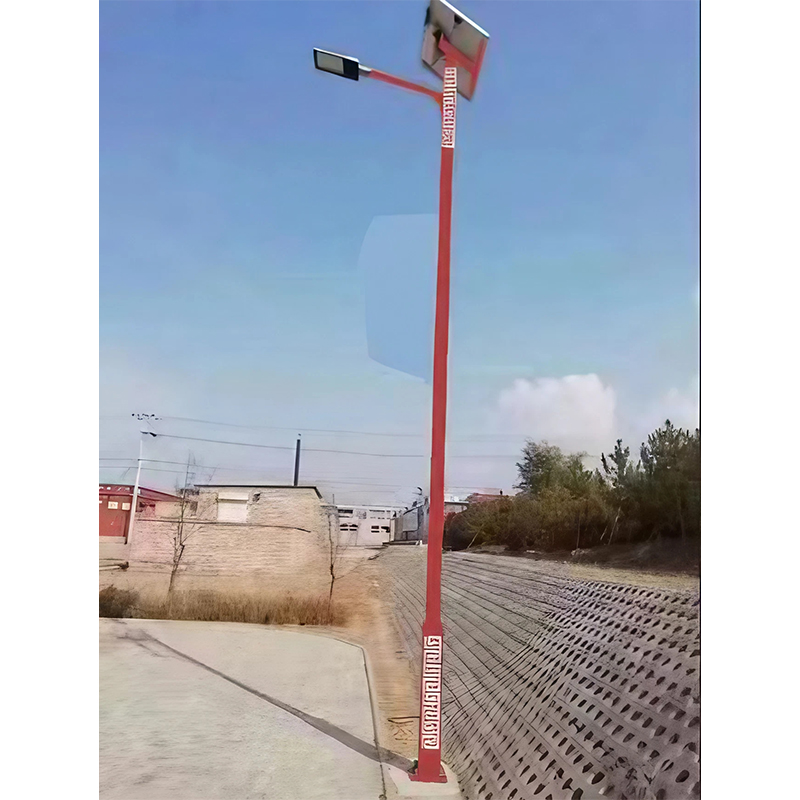
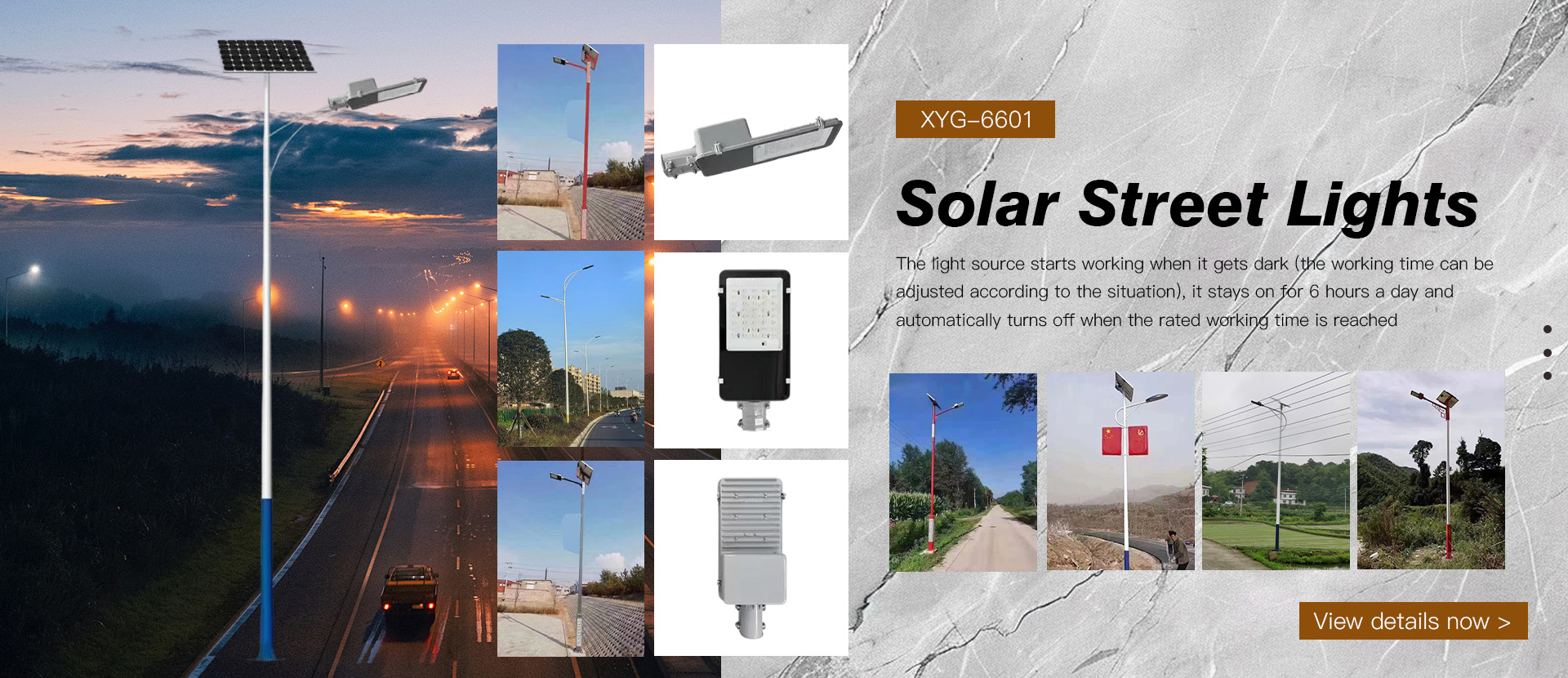
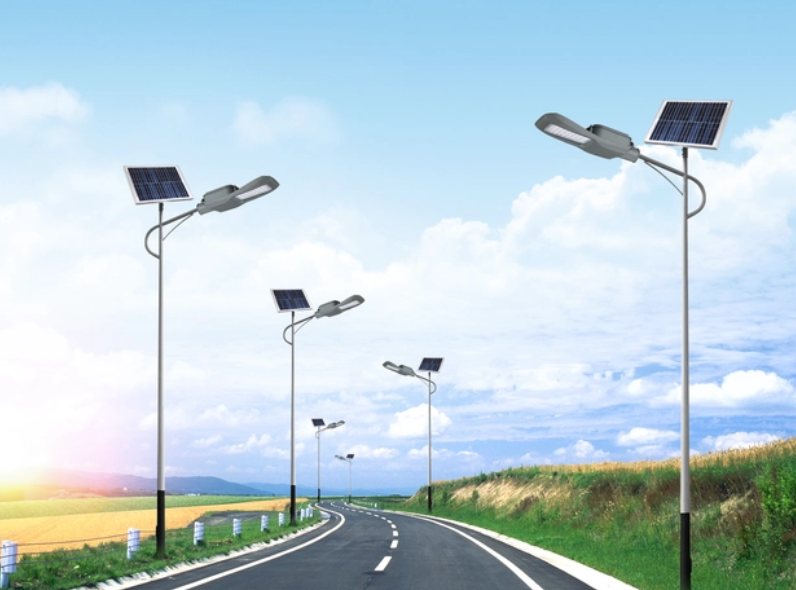
Solar street lights are exposed to the outdoor environment for extended periods, and their structural design significantly impacts system stability. Using a one-piece formed tapered light pole made of Q235 steel, with hot-dip galvanizing and anti-rust coating, effectively resists wind and rain erosion, ensuring long-term use without deformation or corrosion. At the same time, a well-designed protective structure for the battery and controller prevents rainwater and dust from affecting the system, further improving reliability throughout the year.
6. Overall System Coordination Optimization
Solar street lights are not simply a combination of individual components, but a complete energy management system. Only through coordinated optimization between the solar panel, energy storage battery, LED light source, and control system can optimal performance be achieved in different seasons. For example, through data monitoring and remote management systems, operational status can be monitored in real time, and parameters can be adjusted according to seasonal changes, thus achieving more refined management.
In summary, to address seasonal variations in solar radiation, solar street lights systems require comprehensive optimization across multiple aspects, including power generation capacity, energy storage configuration, control strategies, and structural design. Through scientific configuration and intelligent management, they can not only effectively cope with fluctuations in sunlight but also maintain stable and efficient lighting effects throughout the year, fully demonstrating their advantages of green energy saving and high adaptability.
1. Solar Panel Capacity and Angle Optimization
Solar panels are the source of energy for the system, and their configuration directly affects the overall power generation capacity. During the design phase, appropriate selection should be made based on local annual sunlight data, appropriately increasing the power margin of the modules. For example, in areas with insufficient sunlight in winter, solar panels exceeding theoretical requirements can be selected to compensate for the decrease in power generation caused by insufficient sunlight. Simultaneously, optimizing the installation tilt angle to better facilitate the reception of low-angle sunlight in winter can significantly improve power generation efficiency under low-light conditions, thereby enhancing the system's seasonal adaptability.
2. Energy Storage System Capacity and Performance Improvement
Energy storage systems are an important guarantee for coping with fluctuations in sunlight. The 50AH lithium iron phosphate battery not only boasts a 5-7 year lifespan but also exhibits excellent cycle stability and safety. In terms of configuration, consideration should be given to continuous rainy weather, appropriately increasing the battery capacity to provide 3-5 days of energy storage redundancy. Furthermore, lithium iron phosphate batteries exhibit relatively stable performance in low-temperature environments. Through reasonable insulation design or the selection of low-temperature batteries, winter discharge efficiency can be further improved, ensuring uninterrupted lighting.
3. Intelligent Control Strategy Optimization
Modern solar street lights generally employ intelligent control systems, combining light and time control to achieve automatic start/stop and operating time adjustment. Lighting strategies can be dynamically adjusted according to the duration of sunlight in different seasons. For example, in summer, lighting time can be appropriately shortened or power output reduced to save energy; while in winter, priority is given to ensuring basic lighting time. Some systems also support time-of-use dimming, reducing brightness during periods of lower pedestrian traffic to extend the overall power supply time and improve system energy utilization efficiency.
4. LED Light Source Efficiency and Matching Design
The energy efficiency level of the LED lamp head directly affects the system load. When configuring an 80W LED light source, high-efficiency products should be prioritized to reduce energy consumption while maintaining the same brightness requirements. Simultaneously, optimizing the light distribution design to concentrate illumination on the effective area can maintain lighting effects while reducing power consumption. Furthermore, properly matching the light source power with battery capacity and solar panel power to avoid underpowered operation or insufficient power supply is a crucial prerequisite for stable operation.
5. Structural and Environmental Adaptability Design
Solar street lights are exposed to the outdoor environment for extended periods, and their structural design significantly impacts system stability. Using a one-piece formed tapered light pole made of Q235 steel, with hot-dip galvanizing and anti-rust coating, effectively resists wind and rain erosion, ensuring long-term use without deformation or corrosion. At the same time, a well-designed protective structure for the battery and controller prevents rainwater and dust from affecting the system, further improving reliability throughout the year.
6. Overall System Coordination Optimization
Solar street lights are not simply a combination of individual components, but a complete energy management system. Only through coordinated optimization between the solar panel, energy storage battery, LED light source, and control system can optimal performance be achieved in different seasons. For example, through data monitoring and remote management systems, operational status can be monitored in real time, and parameters can be adjusted according to seasonal changes, thus achieving more refined management.
In summary, to address seasonal variations in solar radiation, solar street lights systems require comprehensive optimization across multiple aspects, including power generation capacity, energy storage configuration, control strategies, and structural design. Through scientific configuration and intelligent management, they can not only effectively cope with fluctuations in sunlight but also maintain stable and efficient lighting effects throughout the year, fully demonstrating their advantages of green energy saving and high adaptability.