


How does a tapered pole structure improve the overall wind resistance stability of solar street lights?
Release Time : 2026-05-10
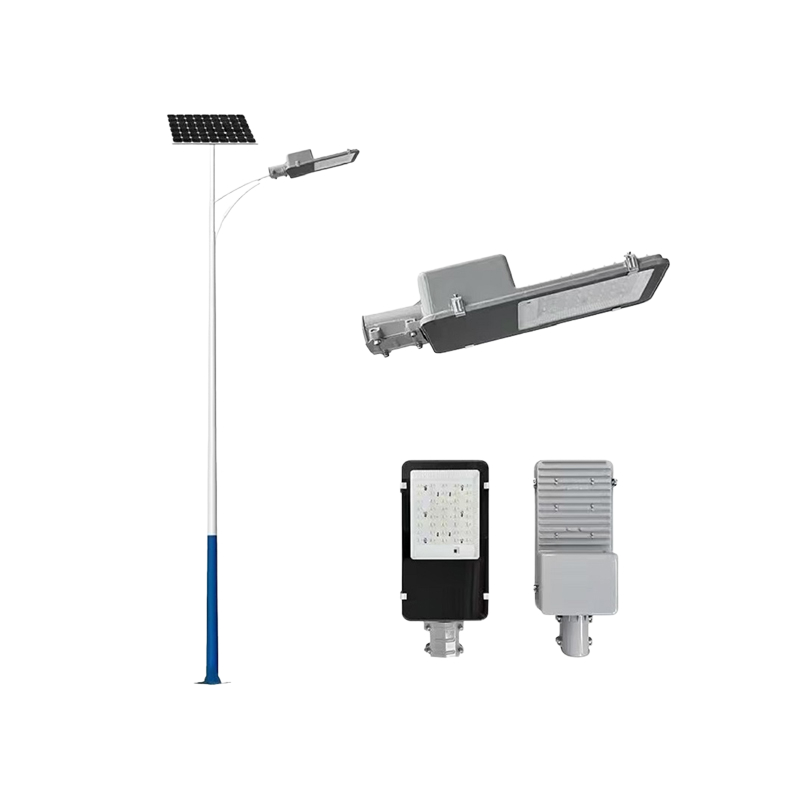
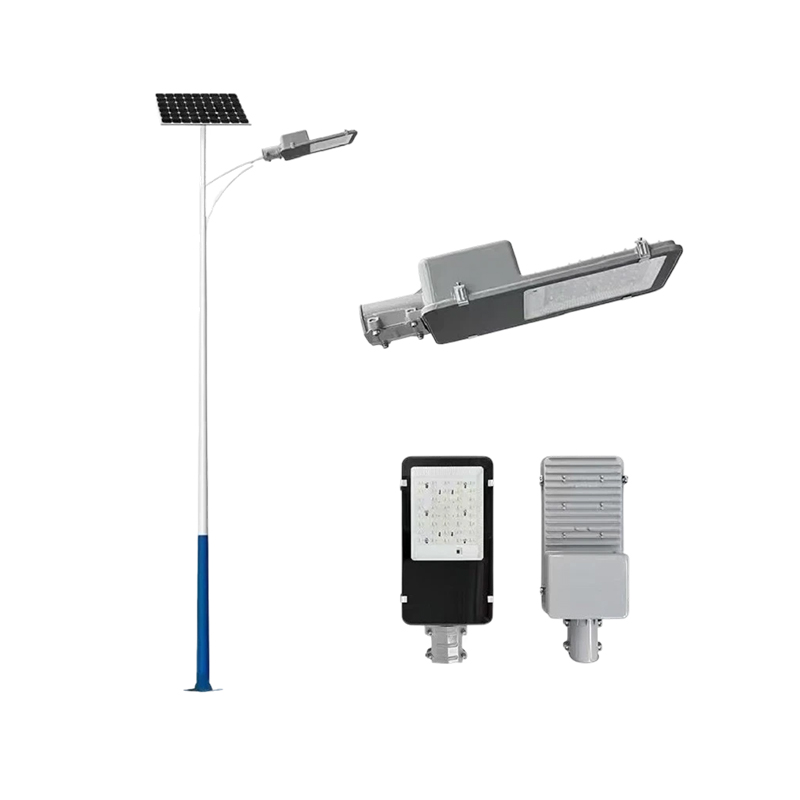
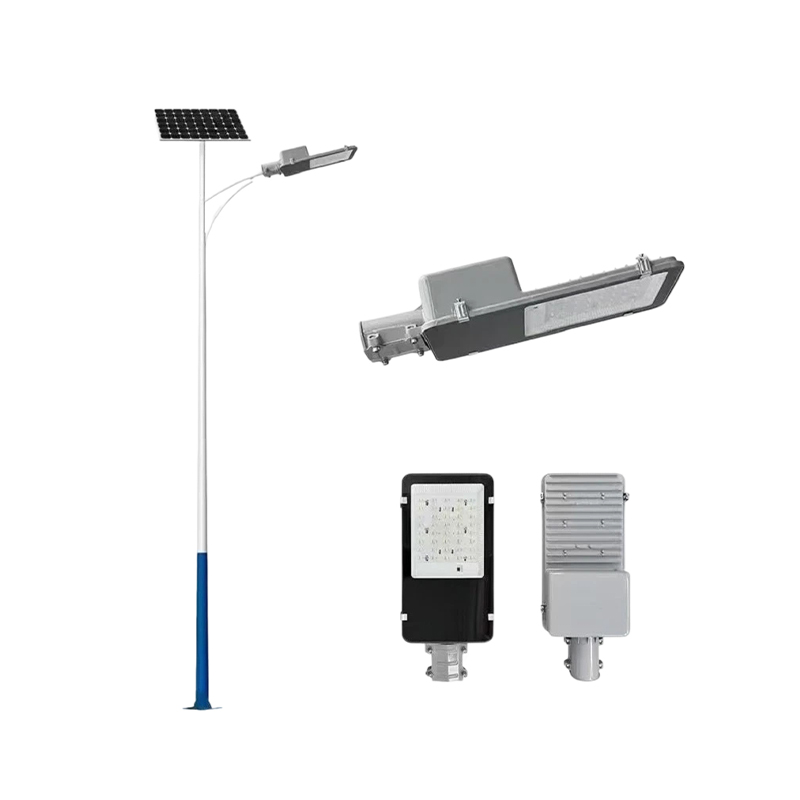
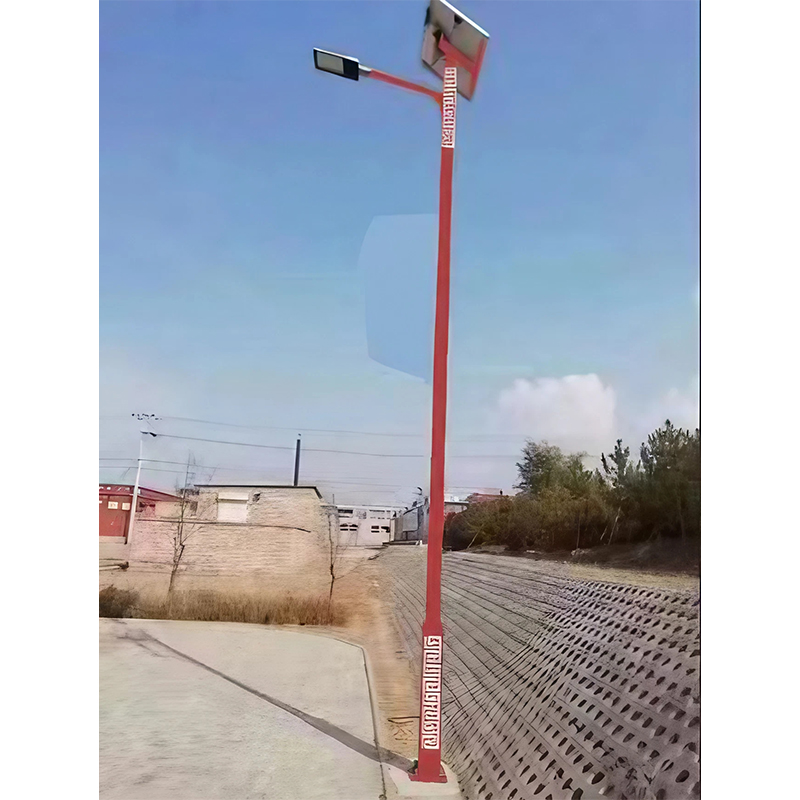
In solar street light systems, the pole, as a key structure supporting photovoltaic modules, lamp heads, and energy storage systems, directly affects the safe operation of the entire system in outdoor environments. Among these, the tapered pole structure is widely used in solar street light design due to its excellent mechanical properties and wind load adaptability. Compared to a straight pole structure with a uniform diameter, the tapered pole has a more significant advantage in wind resistance stability.
1. Tapered Structure Optimizes Wind Distribution
The most prominent feature of a tapered pole is its gradually tapering structure from bottom to top. This design allows wind force to be gradually dispersed along the height of the pole. Since the windward area decreases with height, the wind load at higher elevations is relatively reduced, thus lowering the overall wind pressure concentration effect. This structural characteristic ensures that wind force is not concentrated on a single cross-section but is more evenly distributed throughout the pole, thereby improving overall wind resistance.
2. Reduces Drag Coefficient and Decreases Lateral Forces
In strong wind environments, the drag coefficient of a structure directly affects the magnitude of the force applied. The tapered pole, with its streamlined shape closely resembling a natural transition curve, exhibits less air turbulence compared to a straight cylindrical structure, allowing for smoother airflow and effectively reducing lateral wind forces. This optimized wind resistance design significantly reduces the pole's sway in strong winds, improving operational stability.
2. Thickened Bottom Structure Enhances Bending Resistance
The tapered pole typically employs a structure that is thicker at the bottom and thinner at the top, concentrating the maximum stress area at the bottom where structural strength is highest. When subjected to wind-induced bending moments, the bottom section provides greater bending stiffness, effectively resisting overall overturning moments. This "stronger at the bottom, lighter at the top" mechanical distribution ensures the pole remains stable even in high wind pressure environments.

3. Synergistic Effect of Hot-Dip Galvanizing and Material Strength
Beyond structural stability, material properties also affect wind resistance. Tapered steel poles are typically made from Q235 steel in a single molding process, combined with hot-dip galvanizing and anti-rust spraying, which not only improves structural strength but also enhances corrosion resistance. In long-term outdoor environments, the structure's load-bearing capacity is not weakened by corrosion, thus maintaining long-term stable wind resistance.
4. Improved Overall Stress Continuity Enhances Structural Safety
The tapered pole employs a continuously variable cross-section design, making the force transmission path smoother and avoiding stress concentration problems caused by abrupt diameter changes. Under wind loads, structural stress can be gradually transferred and released along the pole, reducing the risk of localized fatigue damage. This continuous stress characteristic helps improve the overall structural lifespan and safety factor.
In summary, the tapered pole structure effectively enhances the wind resistance stability of solar street lights in complex outdoor environments through multiple mechanisms, including optimizing wind force distribution, reducing the drag coefficient, enhancing bottom bending resistance, combining high-strength corrosion-resistant materials, and improving overall stress continuity. This structural design not only improves safety but also significantly enhances the long-term reliable operation capability of the equipment.
1. Tapered Structure Optimizes Wind Distribution
The most prominent feature of a tapered pole is its gradually tapering structure from bottom to top. This design allows wind force to be gradually dispersed along the height of the pole. Since the windward area decreases with height, the wind load at higher elevations is relatively reduced, thus lowering the overall wind pressure concentration effect. This structural characteristic ensures that wind force is not concentrated on a single cross-section but is more evenly distributed throughout the pole, thereby improving overall wind resistance.
2. Reduces Drag Coefficient and Decreases Lateral Forces
In strong wind environments, the drag coefficient of a structure directly affects the magnitude of the force applied. The tapered pole, with its streamlined shape closely resembling a natural transition curve, exhibits less air turbulence compared to a straight cylindrical structure, allowing for smoother airflow and effectively reducing lateral wind forces. This optimized wind resistance design significantly reduces the pole's sway in strong winds, improving operational stability.
2. Thickened Bottom Structure Enhances Bending Resistance
The tapered pole typically employs a structure that is thicker at the bottom and thinner at the top, concentrating the maximum stress area at the bottom where structural strength is highest. When subjected to wind-induced bending moments, the bottom section provides greater bending stiffness, effectively resisting overall overturning moments. This "stronger at the bottom, lighter at the top" mechanical distribution ensures the pole remains stable even in high wind pressure environments.
3. Synergistic Effect of Hot-Dip Galvanizing and Material Strength
Beyond structural stability, material properties also affect wind resistance. Tapered steel poles are typically made from Q235 steel in a single molding process, combined with hot-dip galvanizing and anti-rust spraying, which not only improves structural strength but also enhances corrosion resistance. In long-term outdoor environments, the structure's load-bearing capacity is not weakened by corrosion, thus maintaining long-term stable wind resistance.
4. Improved Overall Stress Continuity Enhances Structural Safety
The tapered pole employs a continuously variable cross-section design, making the force transmission path smoother and avoiding stress concentration problems caused by abrupt diameter changes. Under wind loads, structural stress can be gradually transferred and released along the pole, reducing the risk of localized fatigue damage. This continuous stress characteristic helps improve the overall structural lifespan and safety factor.
In summary, the tapered pole structure effectively enhances the wind resistance stability of solar street lights in complex outdoor environments through multiple mechanisms, including optimizing wind force distribution, reducing the drag coefficient, enhancing bottom bending resistance, combining high-strength corrosion-resistant materials, and improving overall stress continuity. This structural design not only improves safety but also significantly enhances the long-term reliable operation capability of the equipment.