


How to Ensure Continuous and Stable Illumination Capacity of Solar Street Lights in Low-Light Environments?
Release Time : 2026-05-09
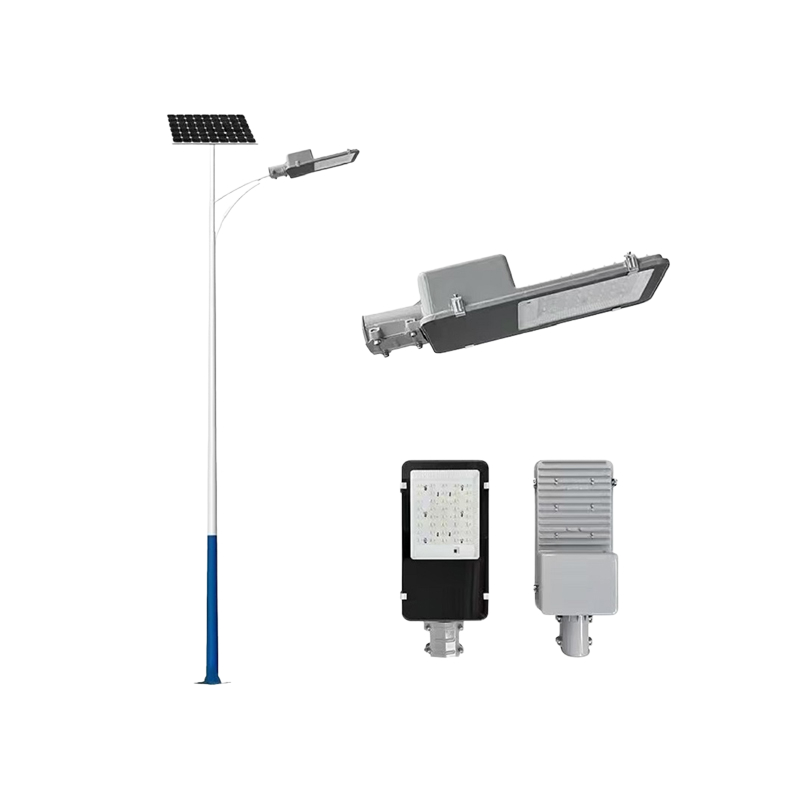
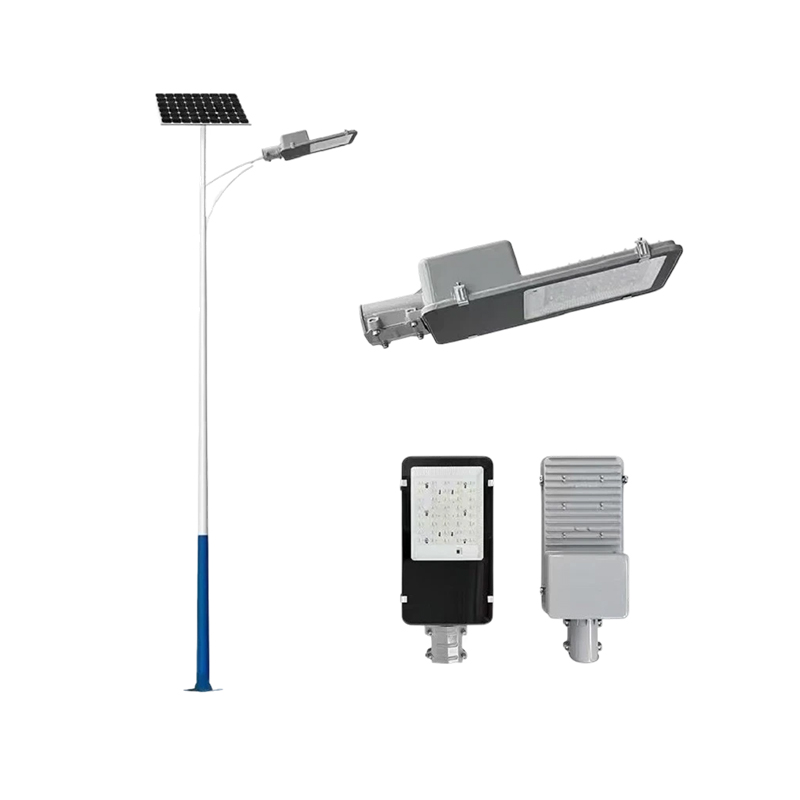
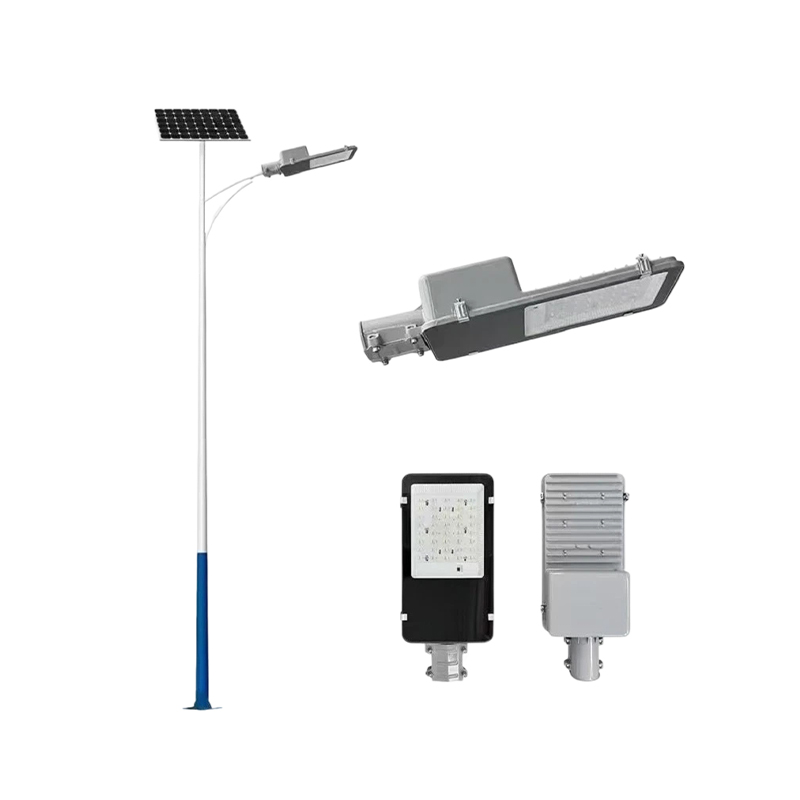
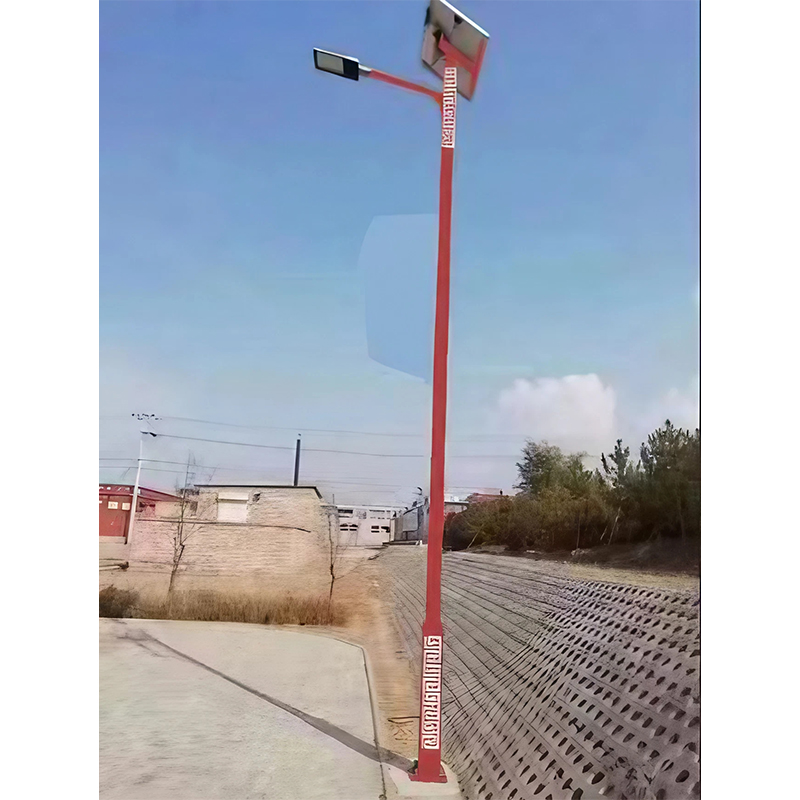
In practical applications of solar street light systems, low-light environments are one of the key challenges affecting their stable operation. Since solar street lights rely on photovoltaic power generation for energy storage and to drive lighting, ensuring continuous and stable illumination capacity under insufficient light conditions becomes a core issue in system design and optimization.
1. High-Efficiency Photovoltaic Modules Improve Energy Harvesting Efficiency
In low-light environments, solar street lights primarily rely on the energy conversion capability of solar panels. Using high-efficiency photovoltaic modules, such as monocrystalline or high-efficiency polycrystalline solar panels with a conversion efficiency exceeding 18%, can maintain a high power generation capacity even under weak light conditions. Even on cloudy days or in environments with diffused light, photovoltaic panels can still continuously generate electricity by capturing indirect light sources, thus providing a basic energy guarantee for the system.
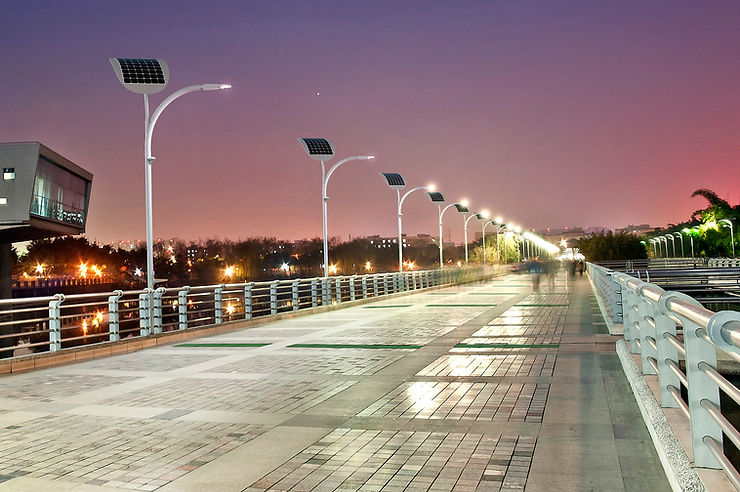
Energy storage batteries are the core support for continuous illumination of solar street lights. Using high-stability energy storage units such as 40AH lithium iron phosphate batteries not only has a long cycle life but also possesses high energy density and discharge stability. In low-light conditions, the system can maintain normal lighting output by relying on previously stored electrical energy. Optimizing battery capacity to provide multi-day runtime is crucial for ensuring stable operation even in continuous cloudy weather.
3. Intelligent Energy Management System Optimizes Energy Consumption Allocation
In low-light environments, energy supply is limited, necessitating dynamic energy consumption management through an intelligent control system. Solar street lights typically feature an intelligent system combining light and time control. After automatic startup at dusk, the system dynamically adjusts brightness and operating time based on remaining battery power. For example, it reduces power output or shortens lighting duration when battery is low, thereby extending the overall runtime and ensuring uninterrupted lighting during critical periods.
4. High-Efficiency and Energy-Saving LED Light Sources Reduce Energy Consumption Pressure
LED light sources inherently possess high luminous efficiency and low power consumption. For instance, a 60W high-efficiency LED lamp head can provide sufficient brightness with relatively low energy consumption. In low-light environments, by selecting high-efficiency LEDs and optimizing optical lens design, the lighting coverage can be increased without increasing energy consumption, thereby reducing energy consumption pressure and extending the system's continuous operating time.
5. System Structure Optimization Enhances Overall Stability
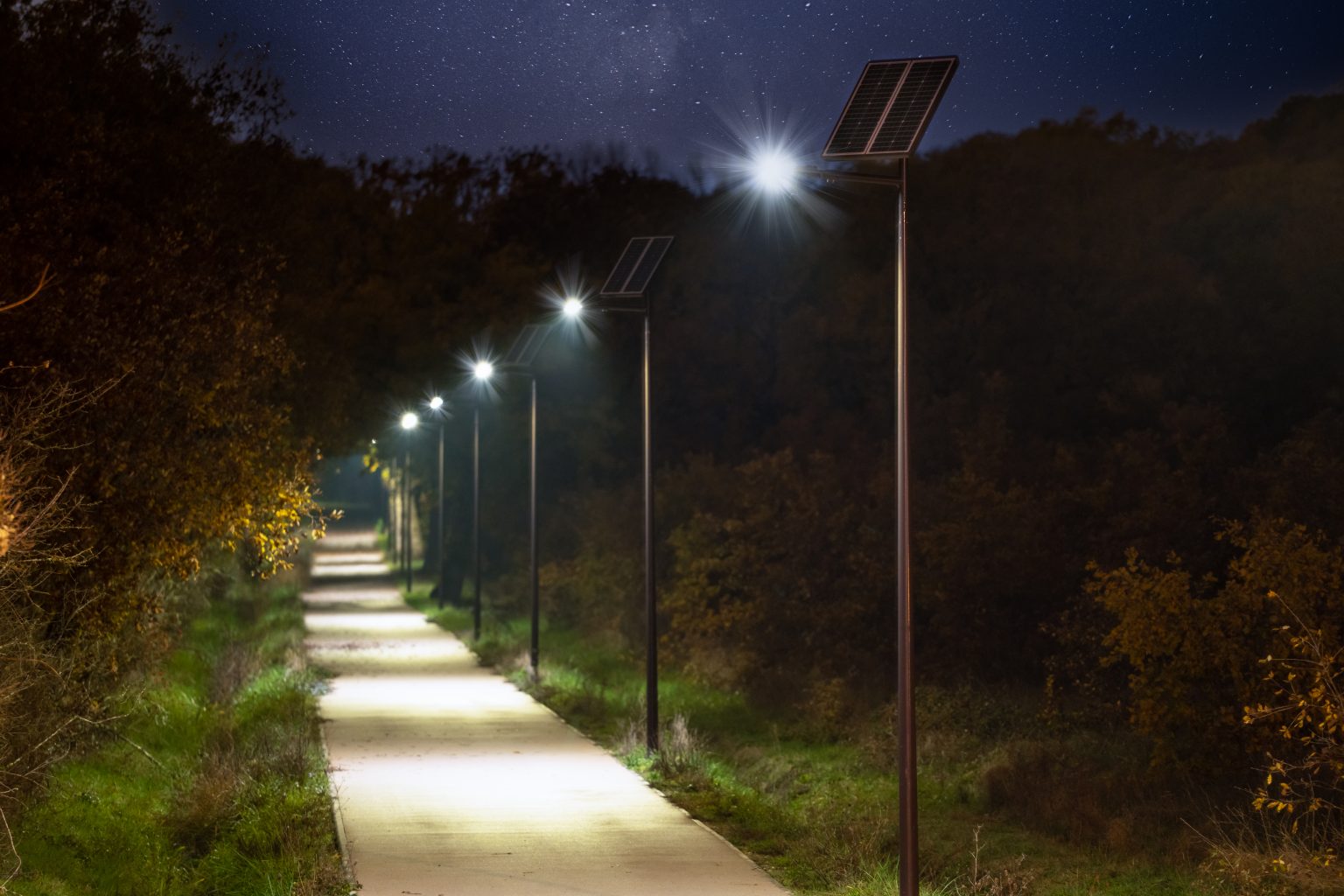
Besides energy system optimization, the overall structural design also significantly impacts stable operation. Features such as low-power control modules, waterproof and dustproof structures, and efficient heat dissipation designs ensure stable operation in complex environments. Furthermore, reducing energy loss and system failure probability further enhances the reliability of solar street lights under low-light conditions.
In summary, solar street lights achieve continuous and stable lighting capabilities in low-light environments through multiple technological means, including high-efficiency photovoltaic modules, optimized energy storage systems, intelligent energy management, high-efficiency LED light sources, and system structure optimization. This comprehensive design enables reliable operation even under complex climatic conditions, meeting the lighting needs of various urban and rural scenarios.
1. High-Efficiency Photovoltaic Modules Improve Energy Harvesting Efficiency
In low-light environments, solar street lights primarily rely on the energy conversion capability of solar panels. Using high-efficiency photovoltaic modules, such as monocrystalline or high-efficiency polycrystalline solar panels with a conversion efficiency exceeding 18%, can maintain a high power generation capacity even under weak light conditions. Even on cloudy days or in environments with diffused light, photovoltaic panels can still continuously generate electricity by capturing indirect light sources, thus providing a basic energy guarantee for the system.
2. Energy Storage System Capacity Optimization Ensures Endurance
Energy storage batteries are the core support for continuous illumination of solar street lights. Using high-stability energy storage units such as 40AH lithium iron phosphate batteries not only has a long cycle life but also possesses high energy density and discharge stability. In low-light conditions, the system can maintain normal lighting output by relying on previously stored electrical energy. Optimizing battery capacity to provide multi-day runtime is crucial for ensuring stable operation even in continuous cloudy weather.
3. Intelligent Energy Management System Optimizes Energy Consumption Allocation
In low-light environments, energy supply is limited, necessitating dynamic energy consumption management through an intelligent control system. Solar street lights typically feature an intelligent system combining light and time control. After automatic startup at dusk, the system dynamically adjusts brightness and operating time based on remaining battery power. For example, it reduces power output or shortens lighting duration when battery is low, thereby extending the overall runtime and ensuring uninterrupted lighting during critical periods.
4. High-Efficiency and Energy-Saving LED Light Sources Reduce Energy Consumption Pressure
LED light sources inherently possess high luminous efficiency and low power consumption. For instance, a 60W high-efficiency LED lamp head can provide sufficient brightness with relatively low energy consumption. In low-light environments, by selecting high-efficiency LEDs and optimizing optical lens design, the lighting coverage can be increased without increasing energy consumption, thereby reducing energy consumption pressure and extending the system's continuous operating time.
5. System Structure Optimization Enhances Overall Stability
Besides energy system optimization, the overall structural design also significantly impacts stable operation. Features such as low-power control modules, waterproof and dustproof structures, and efficient heat dissipation designs ensure stable operation in complex environments. Furthermore, reducing energy loss and system failure probability further enhances the reliability of solar street lights under low-light conditions.
In summary, solar street lights achieve continuous and stable lighting capabilities in low-light environments through multiple technological means, including high-efficiency photovoltaic modules, optimized energy storage systems, intelligent energy management, high-efficiency LED light sources, and system structure optimization. This comprehensive design enables reliable operation even under complex climatic conditions, meeting the lighting needs of various urban and rural scenarios.