


How to improve the sensitivity and accuracy of the light control system in the automatic start-up mode of solar street lights at dusk?
Release Time : 2026-05-14
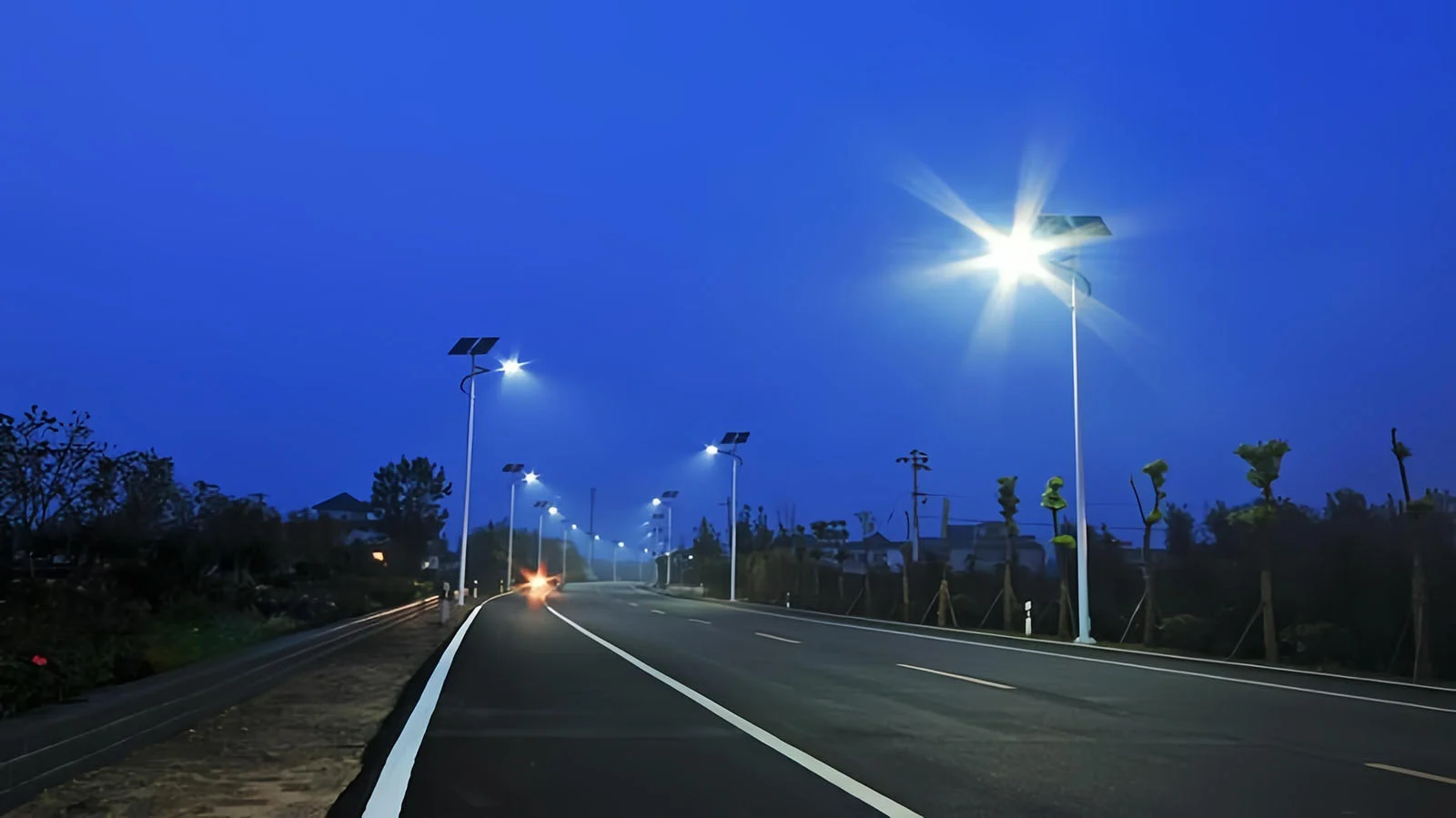
In solar lighting systems, automatic start-up at dusk is a key function for unattended operation. Solar street lights sense changes in ambient brightness through the light control system, automatically turning on the lights after sunset and automatically turning them off at sunrise, thus achieving intelligent energy management. However, in practical applications, ambient light changes are complex. Factors such as urban light interference, cloudy or rainy weather, and short-term shading can all affect the accuracy of the light control system's judgment.
1. High-precision photosensitive sensors enhance basic sensing capabilities
The core of the light control system lies in the performance of the photosensitive sensor. By using a high-sensitivity photoelectric sensor, changes in ambient light intensity can be captured more accurately, enabling the system to make correct judgments even under low light conditions. Compared to traditional simple photosensitive elements, high-precision sensors can identify more subtle changes in light, effectively reducing false triggering and improving the reliability of start-up at dusk.
2. Dynamic threshold algorithm optimizes judgment logic
Traditional light control systems typically use fixed thresholds for switching control, but these are easily affected by interference in complex environments. By introducing a dynamic threshold algorithm, the system can automatically adjust its activation criteria based on different time periods, seasonal changes, and ambient light backgrounds. For example, in urban areas, the activation threshold can be appropriately increased to avoid streetlight interference, while in rural environments, the threshold can be decreased to improve response sensitivity. This adaptive mechanism significantly improves judgment accuracy.
3. Multi-sensor fusion enhances environmental recognition capabilities
To further improve system stability, modern solar streetlights typically combine multiple sensors for data fusion, such as photosensitive sensors, time control modules, and voltage detection modules. By comprehensively analyzing multi-dimensional data, the system can more accurately determine whether it has truly entered nighttime mode. For example, when light intensity decreases but the battery is still charging, the system can delay activation to avoid false alarms.
4. Anti-interference design reduces the impact of ambient light
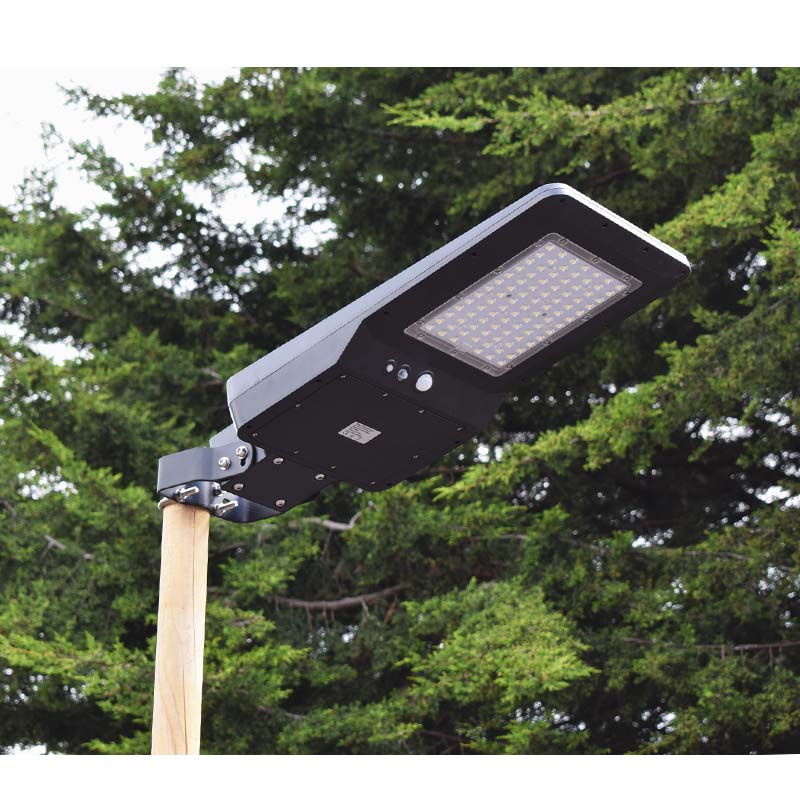
In urban environments, streetlights, billboards, and vehicle lights can interfere with the light control system. By optimizing the photosensitive probe structure design, such as adding a light shield or directional photosensitive structure, lateral light interference can be effectively reduced, allowing the sensor to receive ambient light signals only from specific directions. This physical structure optimization helps improve the system's stability and accuracy in complex lighting environments.
5. Software Filtering Algorithms Enhance Signal Stability
During illumination data acquisition, instantaneous illumination fluctuations can lead to system misjudgments. By introducing software filtering algorithms, such as moving average filtering or time-delay confirmation mechanisms, the acquired data can be smoothed, preventing incorrect judgments triggered by short-term light changes. For example, activation can be triggered only after illumination has been continuously below a threshold for a certain period, thereby improving system stability.
6. Temperature and Environmental Compensation Mechanisms Optimize Long-Term Performance
The performance of photosensitive elements can be affected by temperature changes. Therefore, introducing a temperature compensation mechanism in the system design can effectively improve long-term stability. By monitoring the ambient temperature in real time and correcting the illumination judgment, the system can maintain consistent judgment standards under different seasons and climatic conditions, thereby improving overall accuracy.
In the automatic start-up mode at dusk, solar street lights significantly improve the sensitivity and accuracy of the lighting control system through the synergy of high-precision photosensitive sensors, dynamic threshold algorithms, multi-sensor fusion, anti-interference structural design, and software filtering and environmental compensation technologies. This allows for stable and reliable automatic lighting control even in complex environments.
1. High-precision photosensitive sensors enhance basic sensing capabilities
The core of the light control system lies in the performance of the photosensitive sensor. By using a high-sensitivity photoelectric sensor, changes in ambient light intensity can be captured more accurately, enabling the system to make correct judgments even under low light conditions. Compared to traditional simple photosensitive elements, high-precision sensors can identify more subtle changes in light, effectively reducing false triggering and improving the reliability of start-up at dusk.
2. Dynamic threshold algorithm optimizes judgment logic
Traditional light control systems typically use fixed thresholds for switching control, but these are easily affected by interference in complex environments. By introducing a dynamic threshold algorithm, the system can automatically adjust its activation criteria based on different time periods, seasonal changes, and ambient light backgrounds. For example, in urban areas, the activation threshold can be appropriately increased to avoid streetlight interference, while in rural environments, the threshold can be decreased to improve response sensitivity. This adaptive mechanism significantly improves judgment accuracy.
3. Multi-sensor fusion enhances environmental recognition capabilities
To further improve system stability, modern solar streetlights typically combine multiple sensors for data fusion, such as photosensitive sensors, time control modules, and voltage detection modules. By comprehensively analyzing multi-dimensional data, the system can more accurately determine whether it has truly entered nighttime mode. For example, when light intensity decreases but the battery is still charging, the system can delay activation to avoid false alarms.
4. Anti-interference design reduces the impact of ambient light
In urban environments, streetlights, billboards, and vehicle lights can interfere with the light control system. By optimizing the photosensitive probe structure design, such as adding a light shield or directional photosensitive structure, lateral light interference can be effectively reduced, allowing the sensor to receive ambient light signals only from specific directions. This physical structure optimization helps improve the system's stability and accuracy in complex lighting environments.
5. Software Filtering Algorithms Enhance Signal Stability
During illumination data acquisition, instantaneous illumination fluctuations can lead to system misjudgments. By introducing software filtering algorithms, such as moving average filtering or time-delay confirmation mechanisms, the acquired data can be smoothed, preventing incorrect judgments triggered by short-term light changes. For example, activation can be triggered only after illumination has been continuously below a threshold for a certain period, thereby improving system stability.
6. Temperature and Environmental Compensation Mechanisms Optimize Long-Term Performance
The performance of photosensitive elements can be affected by temperature changes. Therefore, introducing a temperature compensation mechanism in the system design can effectively improve long-term stability. By monitoring the ambient temperature in real time and correcting the illumination judgment, the system can maintain consistent judgment standards under different seasons and climatic conditions, thereby improving overall accuracy.
In the automatic start-up mode at dusk, solar street lights significantly improve the sensitivity and accuracy of the lighting control system through the synergy of high-precision photosensitive sensors, dynamic threshold algorithms, multi-sensor fusion, anti-interference structural design, and software filtering and environmental compensation technologies. This allows for stable and reliable automatic lighting control even in complex environments.