


How can solar street lights achieve adaptive adjustment of brightness and battery life in different urban and rural application scenarios?
Release Time : 2026-05-13
With the rapid popularization of new energy lighting, solar street lights have become an important part of urban road and rural infrastructure construction. Due to significant differences between urban and rural areas in road density, lighting needs, pedestrian traffic intensity, and ambient light interference, solar street lights must possess a certain degree of adaptability to achieve reasonable brightness output and battery life management in different scenarios.
1. Intelligent Light Control System Based on Environmental Perception
Solar street lights typically use photosensors or ambient light sensing modules to achieve real-time monitoring of external light intensity. In urban environments, due to the abundance of surrounding lights, the system needs higher accuracy in recognition to avoid misjudging day and night conditions; while in rural environments, where light variations are more pronounced, the system prioritizes stable triggering. Through environmental perception data, the control system can automatically adjust the lamp's on-time and base brightness to achieve lighting output more closely suited to the actual scene.
2. Multi-mode Brightness Adjustment to Meet Diverse Needs
Urban roads typically require high levels of lighting uniformity and visual comfort; therefore, solar street lights often employ a high-brightness, stable output mode to ensure nighttime traffic safety. In rural roads or low-traffic areas, energy efficiency and battery life are more emphasized. Through multi-mode brightness adjustment technology, streetlights can automatically switch between full brightness, half brightness, and energy-saving modes. For example, brightness can be increased during peak pedestrian hours and reduced during low-activity periods at night, thus achieving rational energy allocation.
3. Time-Based Energy Management Mechanism
The battery life of solar street lights depends not only on battery capacity but also on energy scheduling strategies. The system typically establishes a segmented power supply strategy based on local sunset time and nighttime duration. In cities, nighttime lighting time is relatively fixed but intensity requirements are high; while in rural areas, nighttime activity is less, allowing for a reduction in overall brightness output time. Through time-segmented control, the lifespan of lithium iron phosphate batteries can be effectively extended, improving overall battery life.
4. Intelligent Power Allocation Optimizes Energy Efficiency
In solar energy systems, energy management between solar panels and batteries is crucial. Through an intelligent controller, the system can monitor battery power in real time and dynamically adjust the power output of the LED lights based on remaining energy. When power is sufficient, it maintains standard brightness output, while automatically reducing power when power is insufficient to prioritize all-night illumination. This dynamic power allocation mechanism ensures stable operation of solar street lights in various environments.
5. Regional Adaptation Algorithms Enhance System Self-Learning Capabilities
With the development of intelligent technology, some solar street lights have begun to introduce regional adaptation algorithms. By recording data on sunlight, electricity consumption habits, and weather in different regions, they achieve long-term self-learning optimization. For example, they learn peak lighting demands in cities and low-power operation modes in rural areas, gradually developing more adaptive control strategies. This intelligent optimization capability makes brightness and battery life adjustments more precise.
6. Hardware and Software Collaboration for Stable Output
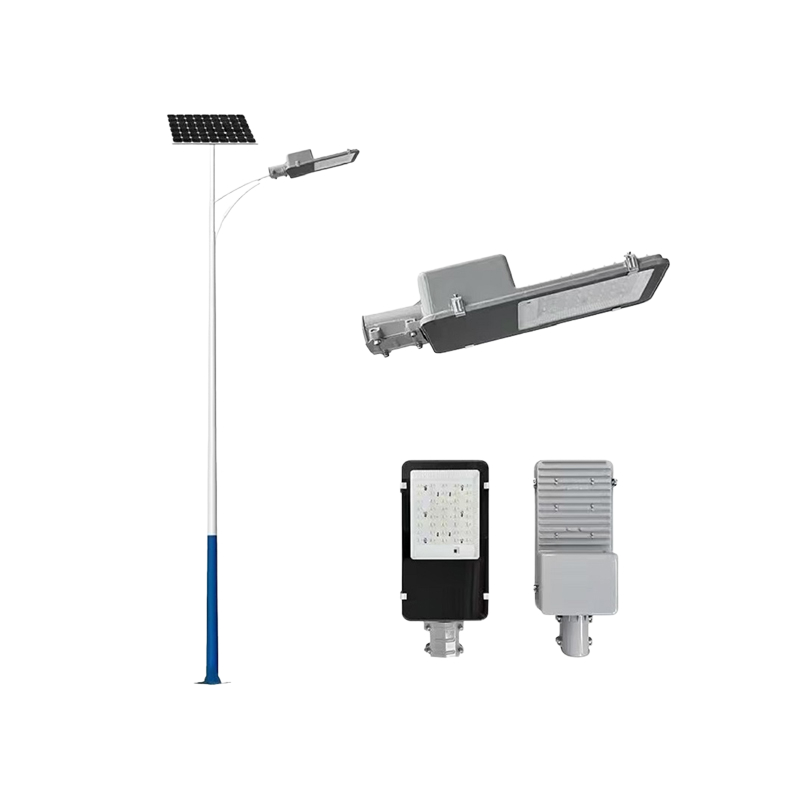
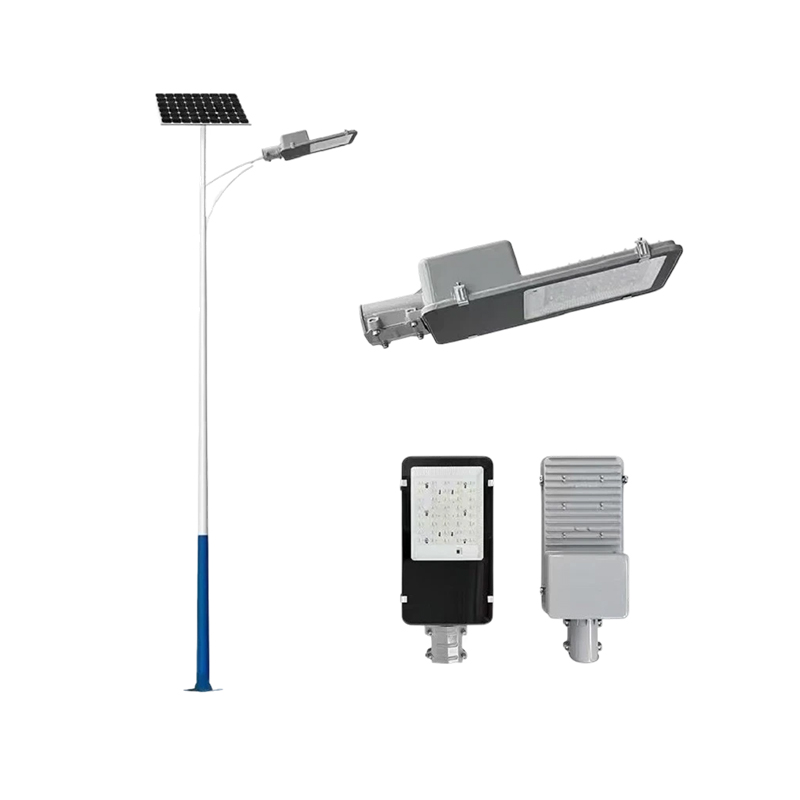
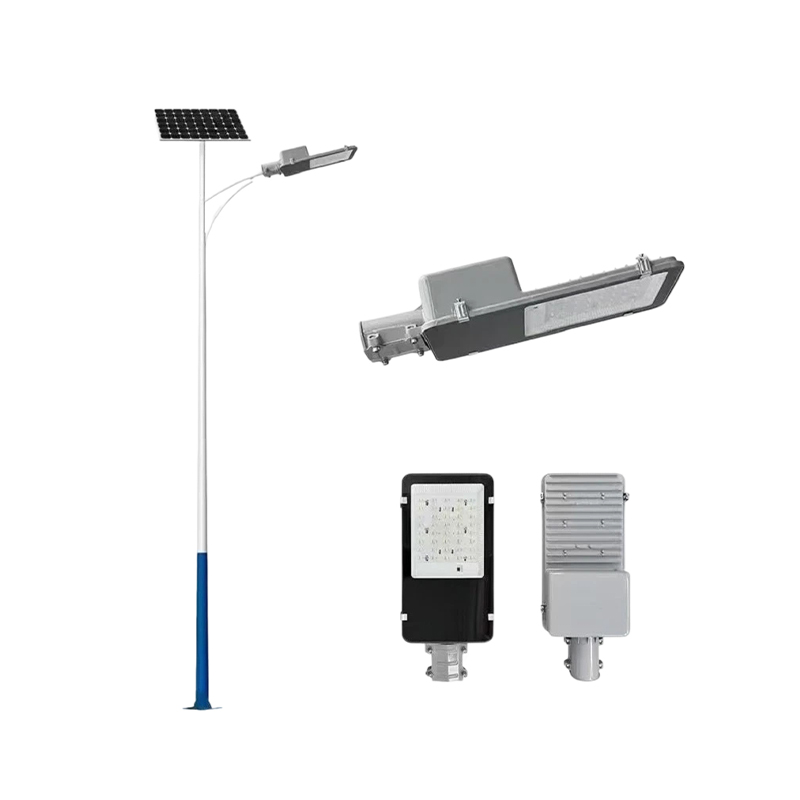
The adaptive adjustment of solar street lights relies not only on software algorithms but also on the support of the hardware system, including high-efficiency solar panels, lithium iron phosphate batteries, and highly stable LED light sources. Only with stable hardware performance can software control strategies fully function, thereby achieving stable lighting output in different scenarios.
Therefore, solar street lights utilize a combination of technologies, including environmental perception, multi-mode brightness adjustment, time-segmented management, intelligent power allocation, and area self-learning, to achieve adaptive brightness and battery life control in different application scenarios in both urban and rural areas, achieving a more reasonable balance between energy saving and lighting effect.
1. Intelligent Light Control System Based on Environmental Perception
Solar street lights typically use photosensors or ambient light sensing modules to achieve real-time monitoring of external light intensity. In urban environments, due to the abundance of surrounding lights, the system needs higher accuracy in recognition to avoid misjudging day and night conditions; while in rural environments, where light variations are more pronounced, the system prioritizes stable triggering. Through environmental perception data, the control system can automatically adjust the lamp's on-time and base brightness to achieve lighting output more closely suited to the actual scene.
2. Multi-mode Brightness Adjustment to Meet Diverse Needs
Urban roads typically require high levels of lighting uniformity and visual comfort; therefore, solar street lights often employ a high-brightness, stable output mode to ensure nighttime traffic safety. In rural roads or low-traffic areas, energy efficiency and battery life are more emphasized. Through multi-mode brightness adjustment technology, streetlights can automatically switch between full brightness, half brightness, and energy-saving modes. For example, brightness can be increased during peak pedestrian hours and reduced during low-activity periods at night, thus achieving rational energy allocation.
3. Time-Based Energy Management Mechanism
The battery life of solar street lights depends not only on battery capacity but also on energy scheduling strategies. The system typically establishes a segmented power supply strategy based on local sunset time and nighttime duration. In cities, nighttime lighting time is relatively fixed but intensity requirements are high; while in rural areas, nighttime activity is less, allowing for a reduction in overall brightness output time. Through time-segmented control, the lifespan of lithium iron phosphate batteries can be effectively extended, improving overall battery life.
4. Intelligent Power Allocation Optimizes Energy Efficiency
In solar energy systems, energy management between solar panels and batteries is crucial. Through an intelligent controller, the system can monitor battery power in real time and dynamically adjust the power output of the LED lights based on remaining energy. When power is sufficient, it maintains standard brightness output, while automatically reducing power when power is insufficient to prioritize all-night illumination. This dynamic power allocation mechanism ensures stable operation of solar street lights in various environments.
5. Regional Adaptation Algorithms Enhance System Self-Learning Capabilities
With the development of intelligent technology, some solar street lights have begun to introduce regional adaptation algorithms. By recording data on sunlight, electricity consumption habits, and weather in different regions, they achieve long-term self-learning optimization. For example, they learn peak lighting demands in cities and low-power operation modes in rural areas, gradually developing more adaptive control strategies. This intelligent optimization capability makes brightness and battery life adjustments more precise.
6. Hardware and Software Collaboration for Stable Output
The adaptive adjustment of solar street lights relies not only on software algorithms but also on the support of the hardware system, including high-efficiency solar panels, lithium iron phosphate batteries, and highly stable LED light sources. Only with stable hardware performance can software control strategies fully function, thereby achieving stable lighting output in different scenarios.
Therefore, solar street lights utilize a combination of technologies, including environmental perception, multi-mode brightness adjustment, time-segmented management, intelligent power allocation, and area self-learning, to achieve adaptive brightness and battery life control in different application scenarios in both urban and rural areas, achieving a more reasonable balance between energy saving and lighting effect.