


How to improve the range and stability of 40AH lithium iron phosphate batteries in solar street lights during continuous cloudy and rainy weather?
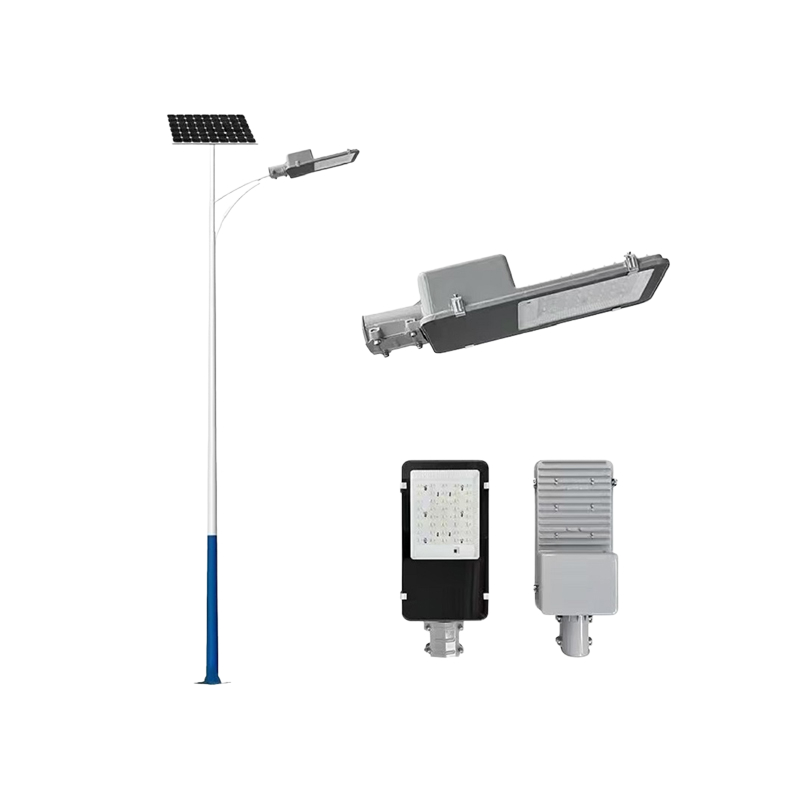
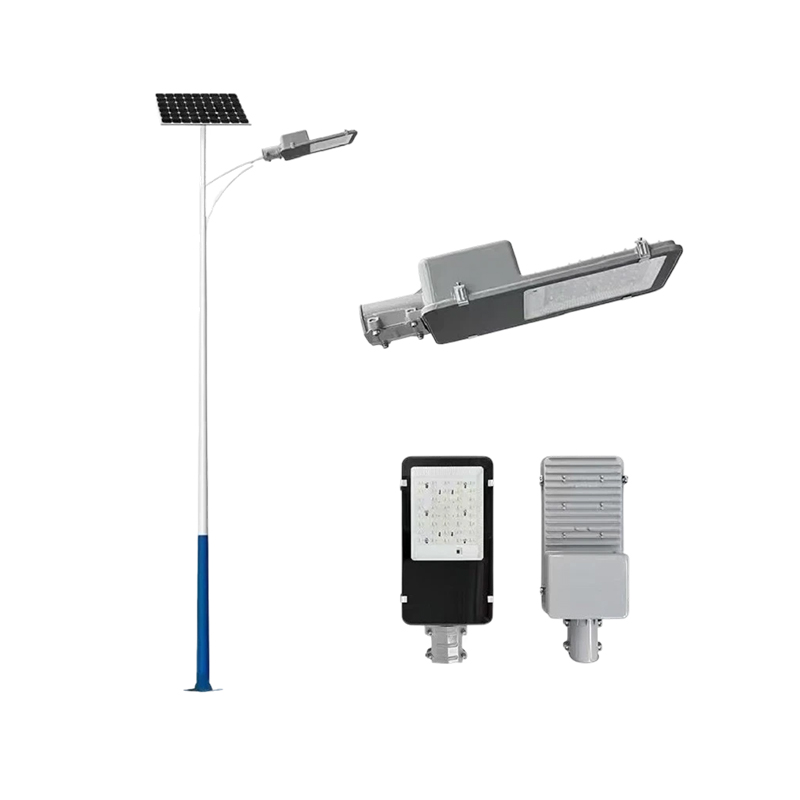
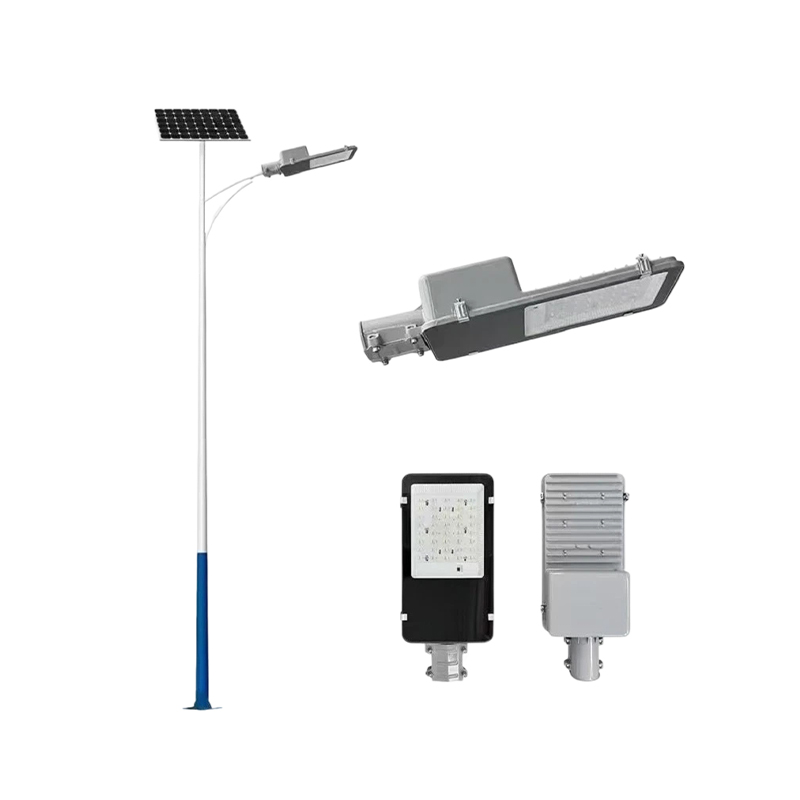
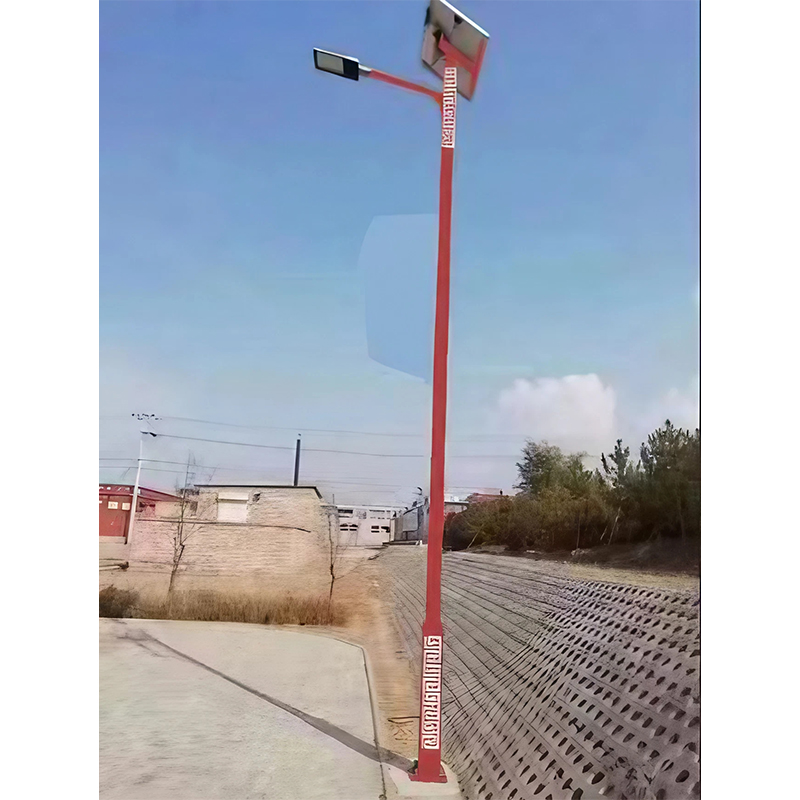
With the continuous development of green energy technologies, solar street lights are widely used in urban roads, rural streets, and industrial parks due to their advantages such as energy saving, environmental protection, convenient installation, and low maintenance costs. Compared to traditional mains-powered lights, solar street lights do not require complex wiring. They rely on solar panels to convert light energy into electrical energy and store it in 40AH lithium iron phosphate batteries, providing independent nighttime lighting. However, in continuous cloudy and rainy weather, the solar panels receive insufficient sunlight, resulting in a significant decrease in charging efficiency and potentially insufficient battery capacity, thus affecting nighttime lighting time and overall operational stability.
1. Improve Solar Panel Charging Efficiency to Enhance Energy Storage Capacity
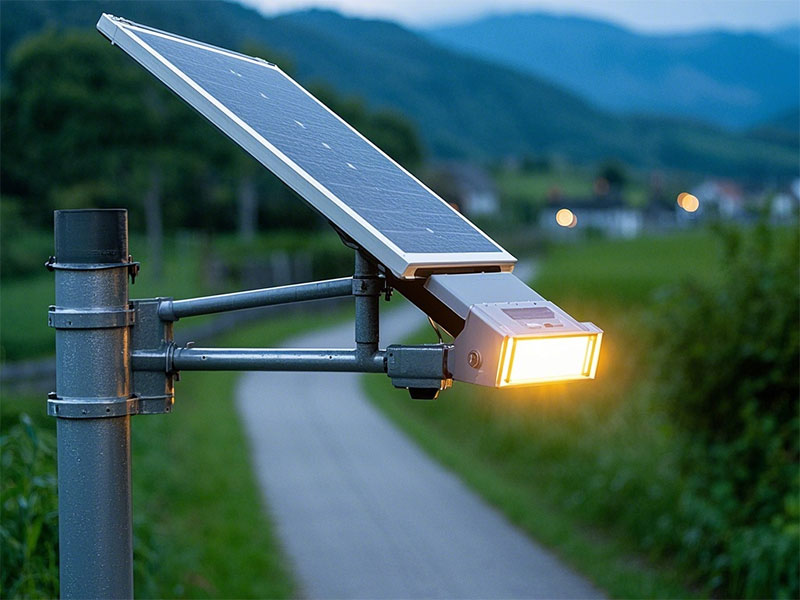
During continuous cloudy and rainy weather, the power generation capacity of solar panels is significantly affected. Therefore, improving charging efficiency in low-light environments is crucial. Traditional solar panels tend to have reduced output power when there is insufficient sunlight, causing the battery to be unable to replenish its charge in time. To solve this problem, high-conversion-efficiency solar panels can be used to improve the absorption capacity of diffused and weak light. Simultaneously, the installation angle of the solar panels can be optimized to maximize their absorption of natural sunlight, improving overall power generation efficiency. Furthermore, through intelligent charging control technology, the system can automatically adjust the charging mode according to weather changes, prioritizing the core energy storage needs of the battery under limited sunlight conditions, thereby enhancing the stability of the lighting range in cloudy and rainy weather.
2. Optimizing Lithium Iron Phosphate Battery Management to Improve Discharge Stability
The 40AH lithium iron phosphate battery is a crucial energy storage core for solar street lights, and its performance directly determines the duration of nighttime illumination. In continuous cloudy and rainy environments, improper battery management can easily lead to over-discharge, capacity reduction, and shortened cycle life. Therefore, a smart battery management system is needed to monitor the battery's operating status in real time. For example, the system can automatically detect the remaining battery charge, voltage, and temperature changes, and adjust the output power accordingly. When the charge is insufficient, the control system can automatically reduce some lighting power or shorten the high-brightness operation time, thereby extending the overall lighting duration. In addition, through balanced charge and discharge management technology, the performance differences between cells within the battery can be reduced, avoiding localized overcharging or over-discharging problems and improving the long-term operational stability of the battery.
3. Employing Intelligent Energy-Saving Modes to Reduce Energy Consumption
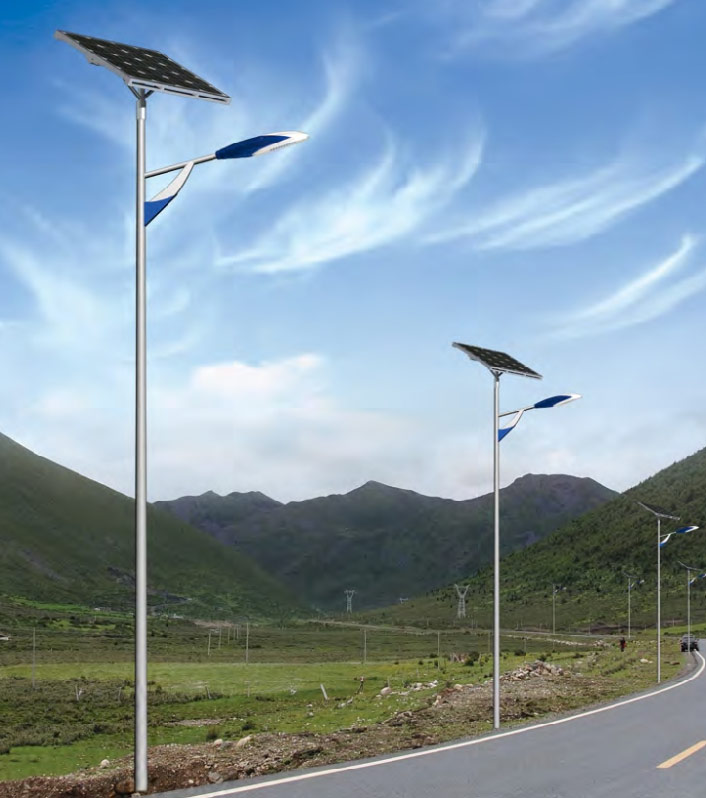
Besides improving charging and energy storage efficiency, rationally reducing energy consumption is also a crucial way to enhance battery life. If solar street lights operate at high power continuously, they are prone to rapid battery depletion in rainy or overcast weather. Therefore, many intelligent solar street lights employ time-based energy-saving control modes. For example, during periods of low pedestrian traffic at night, the system can automatically reduce the brightness of the LED lights to decrease battery consumption; when vehicles or pedestrians are detected, it automatically restores high-brightness lighting. This intelligent dimming method not only saves energy but also effectively extends battery life. Simultaneously, using high-efficiency LED light sources can reduce overall power consumption while maintaining lighting effects, improving battery life in rainy or overcast weather.
4. Enhancing Overall System Stability to Improve Long-Term Operation Capability
During long-term outdoor operation, solar street lights not only need to cope with rainy or overcast weather but also with complex environments such as humidity, high temperatures, and dust. Insufficient system protection can affect the stable operation of the battery and controller. Therefore, the overall structural protection capabilities need to be strengthened during the design process. For example, using battery boxes and controller housings with higher waterproof ratings can reduce the risk of malfunctions caused by rainwater infiltration. It also improves the stability of wiring connections, preventing power loss due to moisture or oxidation. Furthermore, through a remote monitoring system, managers can view the remaining battery power and operating status in real time, adjusting the operating mode in advance before continuous rainy weather, thereby further improving the operational reliability of solar street lights.
With the continuous development of new energy and intelligent control technologies, the endurance stability of solar street lights in rainy weather is also constantly improving. In the future, through further optimization of high-efficiency solar panels, intelligent battery management systems, and energy-saving control modes, 40AH lithium iron phosphate batteries will be able to achieve more stable and longer-lasting power supply under complex weather conditions, providing more reliable technical support for green and energy-saving lighting.