


How to ensure stable operation of lithium batteries and control systems in solar street lights under alternating high and low temperature environments?
Release Time : 2026-05-18
With the continuous development of new energy lighting technologies, solar street lights are widely used in urban roads, rural streets, and industrial parks due to their advantages such as energy saving, environmental protection, flexible installation, and low operating costs. Especially in areas with large day-night temperature differences and complex climates, solar street lights can reduce the burden of laying traditional power lines and improve the overall lighting independence. However, during long-term outdoor operation, the alternation of high temperatures and low temperatures can significantly impact the performance of lithium batteries and the stability of the control system. For example, high temperatures can accelerate battery aging, while low temperatures can reduce discharge efficiency, and in severe cases, even prevent normal startup.
1. Enhancing the Temperature Adaptability of Lithium Batteries to Ensure Stable Power Supply
The core energy storage component of solar street lights typically uses lithium iron phosphate batteries, which have long cycle life and high safety. However, they are still affected by extreme temperature environments. Under high temperatures, the internal chemical reaction rate of the battery accelerates, easily leading to capacity decay and shortened lifespan; while in low temperatures, battery activity decreases, and discharge capacity is significantly weakened. Therefore, to ensure stable system operation, temperature adaptability optimization of the lithium battery is necessary. For example, adding insulation layers, heat insulation layers, and temperature control modules can reduce the direct impact of external temperature on the battery. Simultaneously, in high-temperature areas, a heat dissipation structure design can be adopted to improve airflow efficiency inside the battery pack, thereby reducing heat accumulation. By improving the battery's adaptability to extreme climates, the stability of solar street lights' power supply at night can be effectively guaranteed.

2. Optimizing the Intelligent Control System to Improve Operational Reliability
Besides the battery itself, the control system is also a crucial part affecting the stable operation of solar street lights. If the controller misinterprets data or malfunctions components in high or low temperature environments, it will directly affect the normal operation of the lights. Therefore, during system design, it is necessary to improve the controller's adaptability to temperature changes. For example, industrial-grade electronic components and high/low temperature resistant chips can be used to enable the control system to maintain stable operation in complex environments. At the same time, intelligent temperature monitoring is also critical. When the system detects excessively high temperatures, it can automatically reduce output power or activate heat dissipation protection; in low-temperature environments, it can automatically adjust charging and discharging strategies to reduce battery over-discharge. In addition, some intelligent solar street lights incorporate remote monitoring capabilities, allowing managers to view battery voltage, operating temperature, and operational status in real time. This enables timely detection and maintenance of anomalies, improving overall operational reliability.
3. Strengthening Overall Structural Protection to Enhance Environmental Adaptability
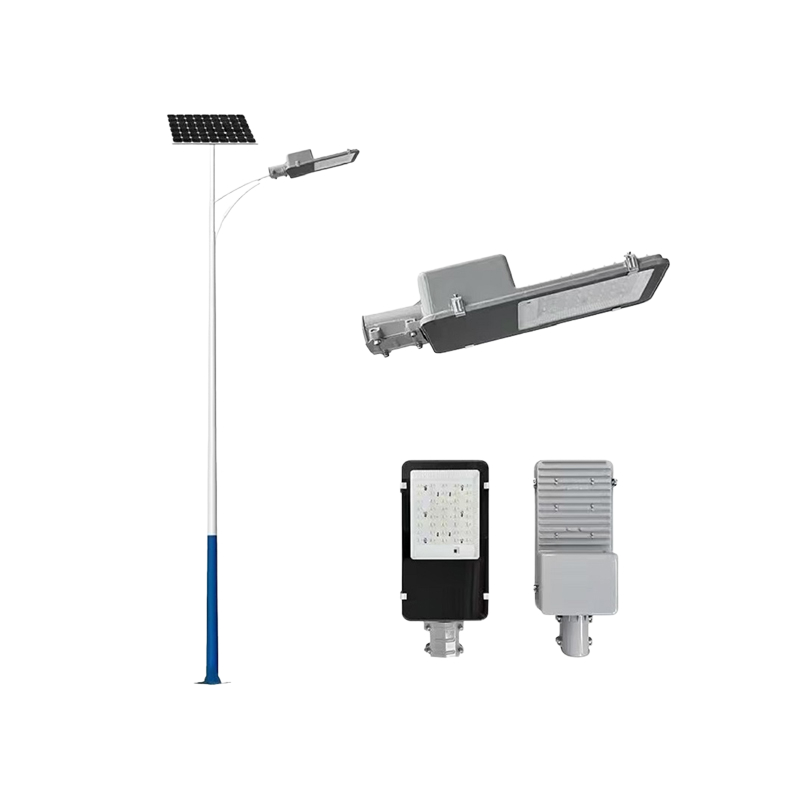
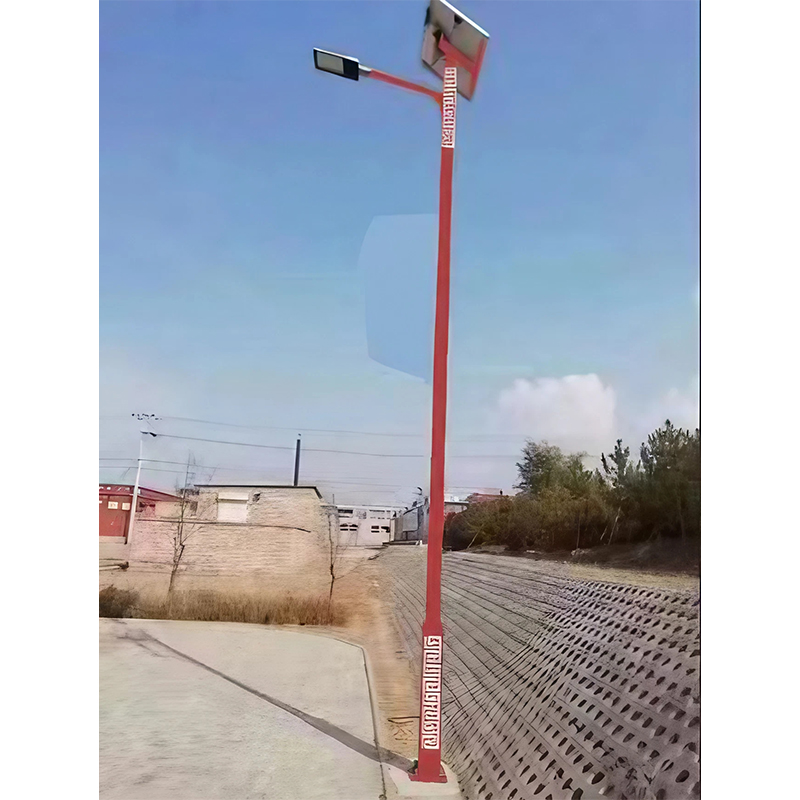
Solar street lights are exposed to the outdoor environment for extended periods, facing not only temperature fluctuations but also the effects of rain, dust, and ultraviolet radiation. Insufficient structural protection can lead to internal components becoming damp, wiring aging, and even casing cracking due to alternating high and low temperatures. Therefore, enhancing overall structural protection is crucial. For example, the design of the lamp body and battery box can employ a more robust waterproof structure, combined with corrosion-resistant materials, to reduce external environmental impact. Simultaneously, the connection points between the lamp post and solar panel require enhanced stability design to prevent structural loosening due to thermal expansion and contraction. Furthermore, improving solar panel conversion efficiency and optimizing the charging management system can reduce power supply fluctuations caused by weather changes, ensuring stable lighting performance under varying climatic conditions.

With continuous advancements in intelligent and new energy technologies, the adaptability of solar street lights to high and low temperature environments is also constantly improving. In the future, through more efficient battery temperature control technology, intelligent control algorithms, and weather-resistant structural design, solar street lights will achieve more stable, safe, and long-life operation under complex climatic conditions, providing more reliable technical support for green and energy-saving lighting.
1. Enhancing the Temperature Adaptability of Lithium Batteries to Ensure Stable Power Supply
The core energy storage component of solar street lights typically uses lithium iron phosphate batteries, which have long cycle life and high safety. However, they are still affected by extreme temperature environments. Under high temperatures, the internal chemical reaction rate of the battery accelerates, easily leading to capacity decay and shortened lifespan; while in low temperatures, battery activity decreases, and discharge capacity is significantly weakened. Therefore, to ensure stable system operation, temperature adaptability optimization of the lithium battery is necessary. For example, adding insulation layers, heat insulation layers, and temperature control modules can reduce the direct impact of external temperature on the battery. Simultaneously, in high-temperature areas, a heat dissipation structure design can be adopted to improve airflow efficiency inside the battery pack, thereby reducing heat accumulation. By improving the battery's adaptability to extreme climates, the stability of solar street lights' power supply at night can be effectively guaranteed.
2. Optimizing the Intelligent Control System to Improve Operational Reliability
Besides the battery itself, the control system is also a crucial part affecting the stable operation of solar street lights. If the controller misinterprets data or malfunctions components in high or low temperature environments, it will directly affect the normal operation of the lights. Therefore, during system design, it is necessary to improve the controller's adaptability to temperature changes. For example, industrial-grade electronic components and high/low temperature resistant chips can be used to enable the control system to maintain stable operation in complex environments. At the same time, intelligent temperature monitoring is also critical. When the system detects excessively high temperatures, it can automatically reduce output power or activate heat dissipation protection; in low-temperature environments, it can automatically adjust charging and discharging strategies to reduce battery over-discharge. In addition, some intelligent solar street lights incorporate remote monitoring capabilities, allowing managers to view battery voltage, operating temperature, and operational status in real time. This enables timely detection and maintenance of anomalies, improving overall operational reliability.
3. Strengthening Overall Structural Protection to Enhance Environmental Adaptability
Solar street lights are exposed to the outdoor environment for extended periods, facing not only temperature fluctuations but also the effects of rain, dust, and ultraviolet radiation. Insufficient structural protection can lead to internal components becoming damp, wiring aging, and even casing cracking due to alternating high and low temperatures. Therefore, enhancing overall structural protection is crucial. For example, the design of the lamp body and battery box can employ a more robust waterproof structure, combined with corrosion-resistant materials, to reduce external environmental impact. Simultaneously, the connection points between the lamp post and solar panel require enhanced stability design to prevent structural loosening due to thermal expansion and contraction. Furthermore, improving solar panel conversion efficiency and optimizing the charging management system can reduce power supply fluctuations caused by weather changes, ensuring stable lighting performance under varying climatic conditions.
With continuous advancements in intelligent and new energy technologies, the adaptability of solar street lights to high and low temperature environments is also constantly improving. In the future, through more efficient battery temperature control technology, intelligent control algorithms, and weather-resistant structural design, solar street lights will achieve more stable, safe, and long-life operation under complex climatic conditions, providing more reliable technical support for green and energy-saving lighting.