


How can solar street lights ensure stable output of 60W LED light sources and avoid lighting interruptions during continuous cloudy and rainy weather?
Release Time : 2026-06-02
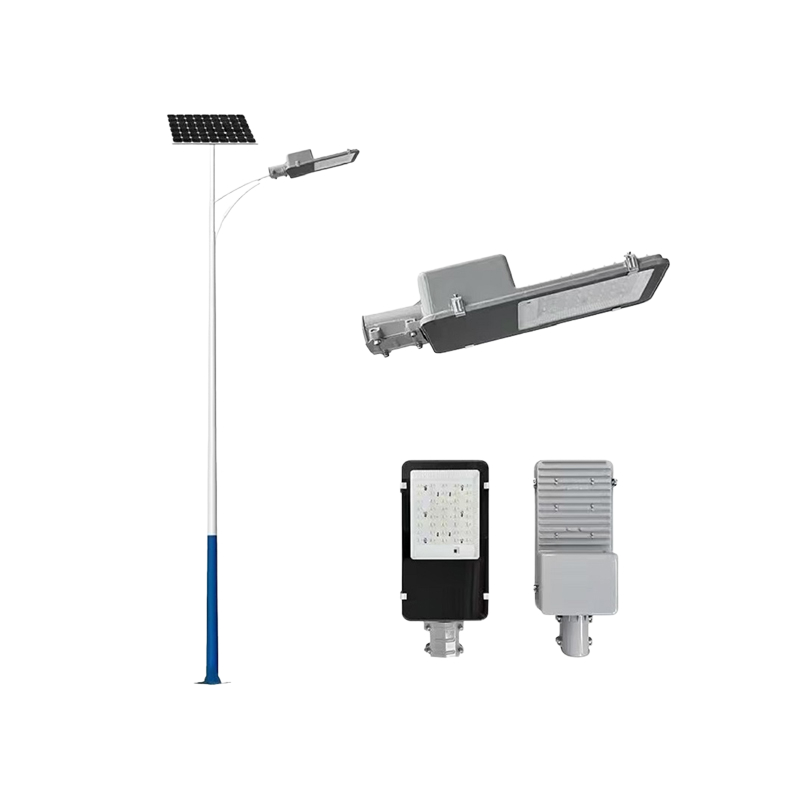
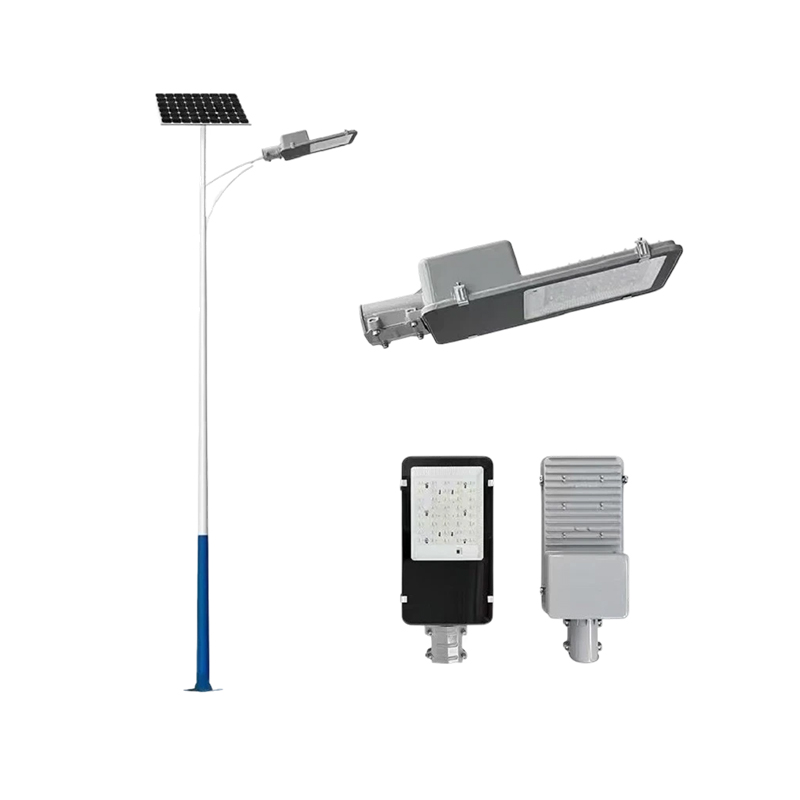
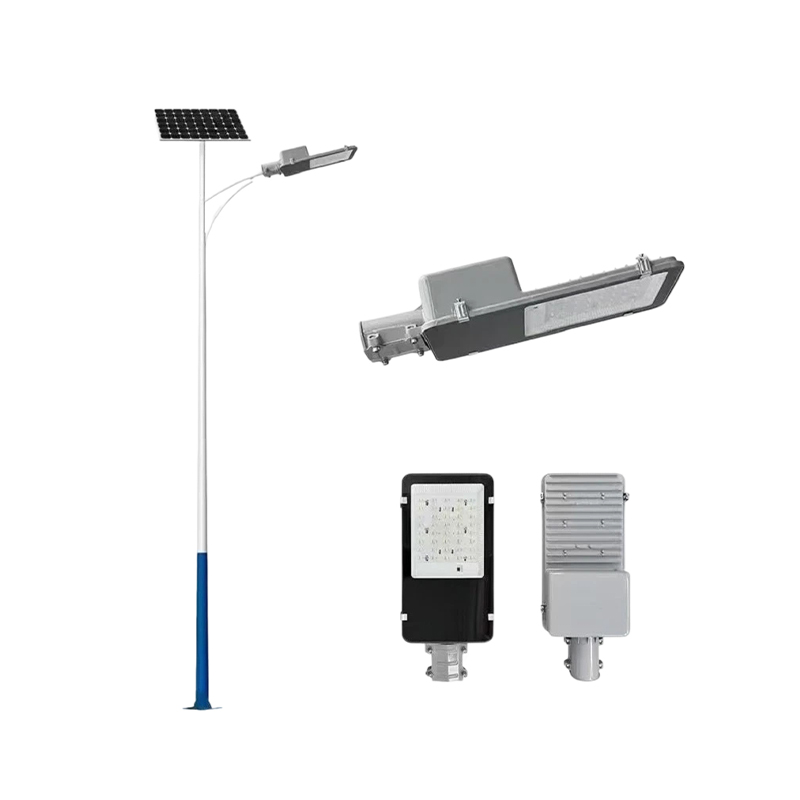
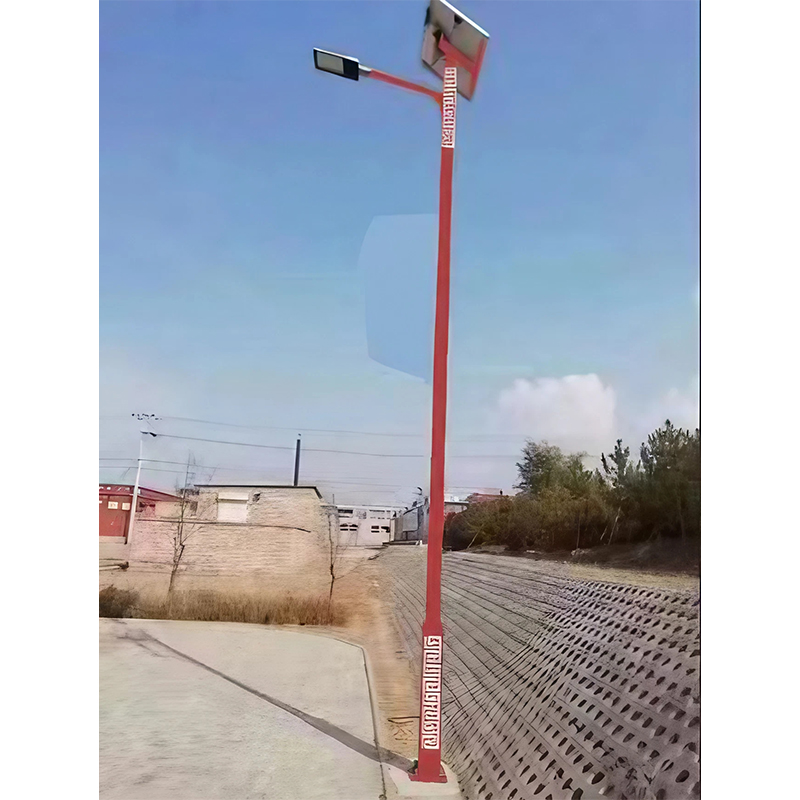
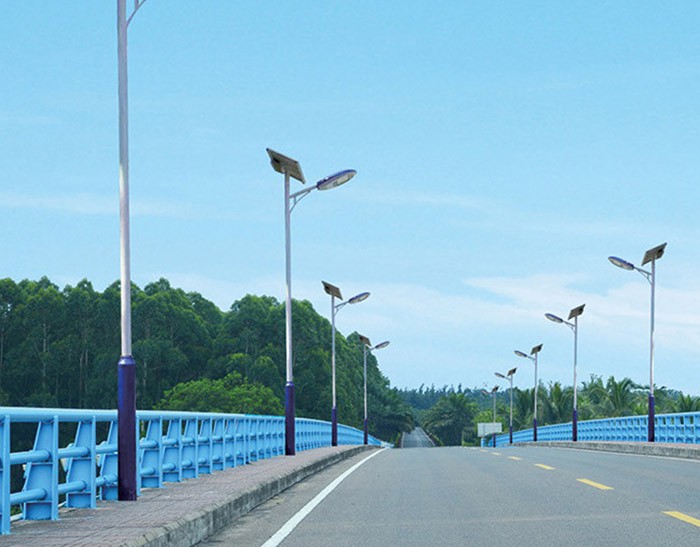
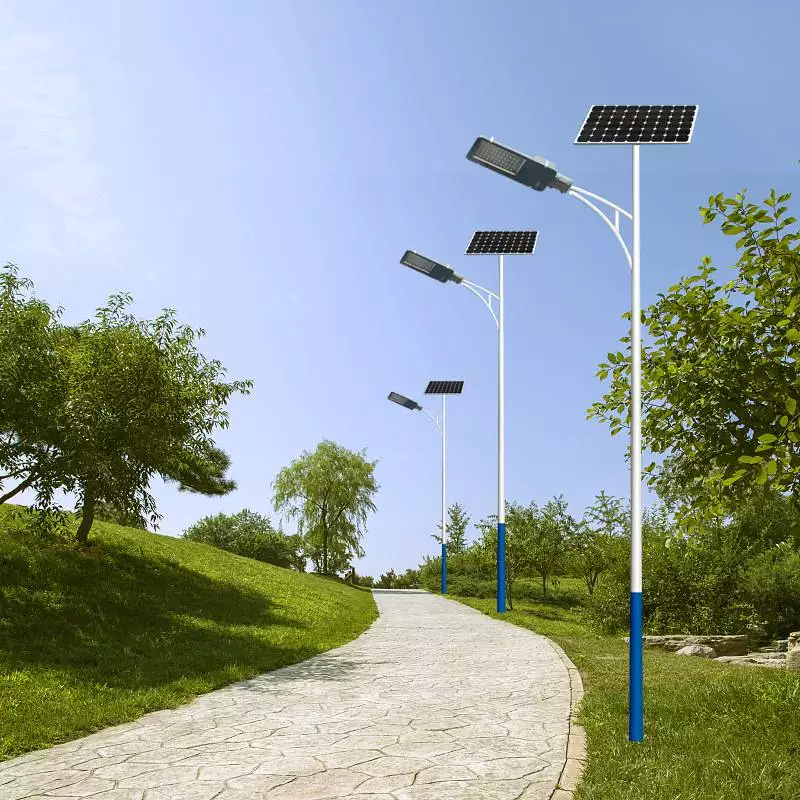
Solar street lights, as an important component of off-grid lighting systems, are widely used in rural roads, park pathways, urban secondary roads, and landscape lighting. Their core operating logic relies on a closed-loop system of solar panels generating electricity during the day, lithium batteries storing energy, and LED lighting at night. However, during continuous cloudy and rainy weather, sunlight resources are severely insufficient, solar panel power generation efficiency decreases, and the energy storage system is undercharged, easily leading to reduced or even interrupted nighttime lighting brightness. For solar street lights equipped with 60W LED light sources, their power demand is relatively high, placing stricter requirements on the stability of energy supply.
1. Improve Solar Panel Power Generation Efficiency to Enhance Low-Light Adaptability
During cloudy and rainy weather, solar irradiance is significantly reduced, and the output power of traditional solar panels decreases considerably. Therefore, it is necessary to enhance the basic power supply capacity of the system by improving the conversion efficiency of photovoltaic modules. Using high-conversion-efficiency monocrystalline silicon solar panels can maintain relatively stable power generation capacity in low-light environments. Meanwhile, by optimizing the installation angle and orientation, solar panels can maximize the capture of diffused and indirect light, thereby improving overall energy harvesting efficiency. Furthermore, regularly cleaning dust and contaminants from the solar panel surface helps reduce light loss and improve power generation stability.
2. Optimizing Lithium Battery Energy Storage Capacity to Improve Power Redundancy
During prolonged periods of cloudy or rainy weather, the core guarantee of system stability comes from the energy storage system. Therefore, appropriately increasing the lithium battery capacity is an important measure to avoid lighting interruptions. Using 40AH or higher lithium iron phosphate batteries not only provides higher energy storage capacity but also has better cycle life and temperature stability. In system design, energy redundancy configuration should be implemented according to actual light conditions and load power, ensuring that the battery can maintain basic lighting needs even under several consecutive days of low light. In addition, by optimizing the battery management system, intelligent control of the charging and discharging process can be achieved, improving energy utilization efficiency and delaying battery degradation.
3. Employing Intelligent Power Regulation Strategies to Reduce Energy Consumption Pressure
In situations of insufficient energy supply, intelligent control to reduce load power is an important means of ensuring continuous system operation. Solar street lights can automatically adjust LED output power based on battery status. For example, they maintain full power (60W) when the battery is full, and automatically reduce power to energy-saving mode when the battery is low to extend lighting time. Simultaneously, through time-based control strategies, brightness is reduced during periods of low traffic at night, effectively reducing energy consumption. Combining light and time control algorithms enables more refined energy management, ensuring optimal allocation of limited electrical energy.
4. Improve System Energy Conversion and Transmission Efficiency
In the overall system, any energy loss affects the final lighting effect. Therefore, improving system energy conversion efficiency is equally important. Using a high-efficiency MPPT controller allows for real-time adjustment of the solar panel's operating status, ensuring it always operates within its optimal power generation range. Optimizing circuit design to reduce energy loss during transmission also contributes to improved overall system efficiency. Furthermore, using low-power LED drivers further reduces energy waste and increases the lighting output per unit of electrical energy.
5. Enhance System Reliability and Environmental Adaptability
During continuous rainy weather, the system not only faces energy shortages but may also be affected by environmental factors such as humidity and temperature changes. Therefore, improving the overall system's environmental adaptability is crucial. Enhancing the design with IP65 or higher protection ratings effectively prevents rainwater infiltration from causing circuit failures. Simultaneously, optimizing the heat dissipation structure of the battery and controller ensures stable operation even in low-temperature or high-humidity environments. Furthermore, introducing a remote monitoring system allows for real-time monitoring of battery power, photovoltaic output, and LED operating status, enabling fault warnings and remote maintenance, thus improving system reliability.
In summary, by improving solar panel power generation efficiency, optimizing lithium battery energy storage configuration, adopting intelligent power regulation strategies, increasing system energy conversion efficiency, and strengthening environmental adaptability, the stable output of 60W LED solar street lights can be effectively guaranteed under continuous rainy weather conditions, minimizing lighting interruptions and ensuring the long-term reliable operation of the road lighting system.
1. Improve Solar Panel Power Generation Efficiency to Enhance Low-Light Adaptability
During cloudy and rainy weather, solar irradiance is significantly reduced, and the output power of traditional solar panels decreases considerably. Therefore, it is necessary to enhance the basic power supply capacity of the system by improving the conversion efficiency of photovoltaic modules. Using high-conversion-efficiency monocrystalline silicon solar panels can maintain relatively stable power generation capacity in low-light environments. Meanwhile, by optimizing the installation angle and orientation, solar panels can maximize the capture of diffused and indirect light, thereby improving overall energy harvesting efficiency. Furthermore, regularly cleaning dust and contaminants from the solar panel surface helps reduce light loss and improve power generation stability.
2. Optimizing Lithium Battery Energy Storage Capacity to Improve Power Redundancy
During prolonged periods of cloudy or rainy weather, the core guarantee of system stability comes from the energy storage system. Therefore, appropriately increasing the lithium battery capacity is an important measure to avoid lighting interruptions. Using 40AH or higher lithium iron phosphate batteries not only provides higher energy storage capacity but also has better cycle life and temperature stability. In system design, energy redundancy configuration should be implemented according to actual light conditions and load power, ensuring that the battery can maintain basic lighting needs even under several consecutive days of low light. In addition, by optimizing the battery management system, intelligent control of the charging and discharging process can be achieved, improving energy utilization efficiency and delaying battery degradation.
3. Employing Intelligent Power Regulation Strategies to Reduce Energy Consumption Pressure
In situations of insufficient energy supply, intelligent control to reduce load power is an important means of ensuring continuous system operation. Solar street lights can automatically adjust LED output power based on battery status. For example, they maintain full power (60W) when the battery is full, and automatically reduce power to energy-saving mode when the battery is low to extend lighting time. Simultaneously, through time-based control strategies, brightness is reduced during periods of low traffic at night, effectively reducing energy consumption. Combining light and time control algorithms enables more refined energy management, ensuring optimal allocation of limited electrical energy.
4. Improve System Energy Conversion and Transmission Efficiency
In the overall system, any energy loss affects the final lighting effect. Therefore, improving system energy conversion efficiency is equally important. Using a high-efficiency MPPT controller allows for real-time adjustment of the solar panel's operating status, ensuring it always operates within its optimal power generation range. Optimizing circuit design to reduce energy loss during transmission also contributes to improved overall system efficiency. Furthermore, using low-power LED drivers further reduces energy waste and increases the lighting output per unit of electrical energy.
5. Enhance System Reliability and Environmental Adaptability
During continuous rainy weather, the system not only faces energy shortages but may also be affected by environmental factors such as humidity and temperature changes. Therefore, improving the overall system's environmental adaptability is crucial. Enhancing the design with IP65 or higher protection ratings effectively prevents rainwater infiltration from causing circuit failures. Simultaneously, optimizing the heat dissipation structure of the battery and controller ensures stable operation even in low-temperature or high-humidity environments. Furthermore, introducing a remote monitoring system allows for real-time monitoring of battery power, photovoltaic output, and LED operating status, enabling fault warnings and remote maintenance, thus improving system reliability.
In summary, by improving solar panel power generation efficiency, optimizing lithium battery energy storage configuration, adopting intelligent power regulation strategies, increasing system energy conversion efficiency, and strengthening environmental adaptability, the stable output of 60W LED solar street lights can be effectively guaranteed under continuous rainy weather conditions, minimizing lighting interruptions and ensuring the long-term reliable operation of the road lighting system.