


How do solar street lights balance energy conservation and human-centered lighting?
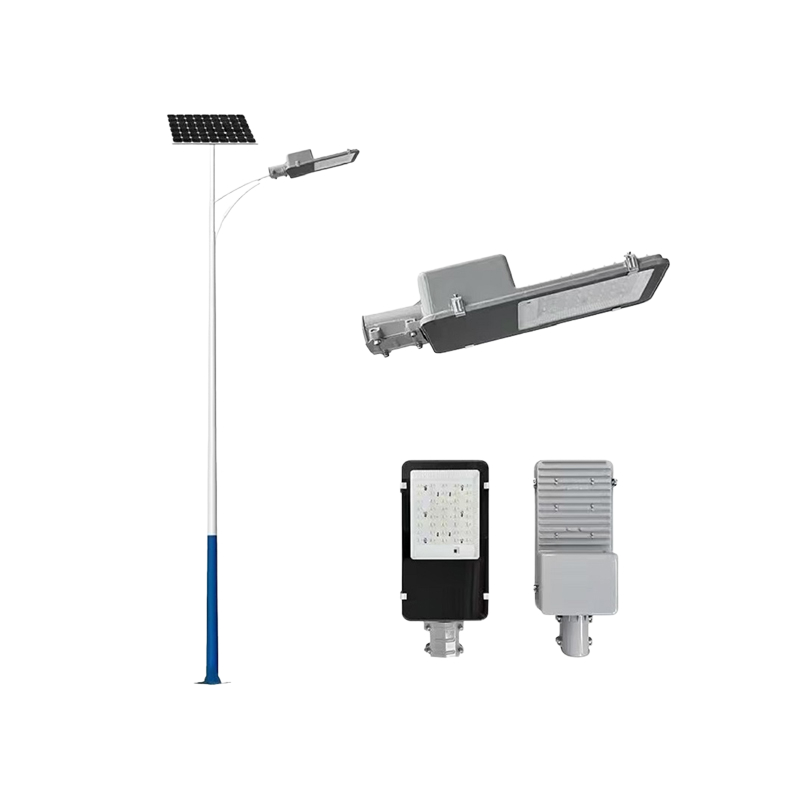
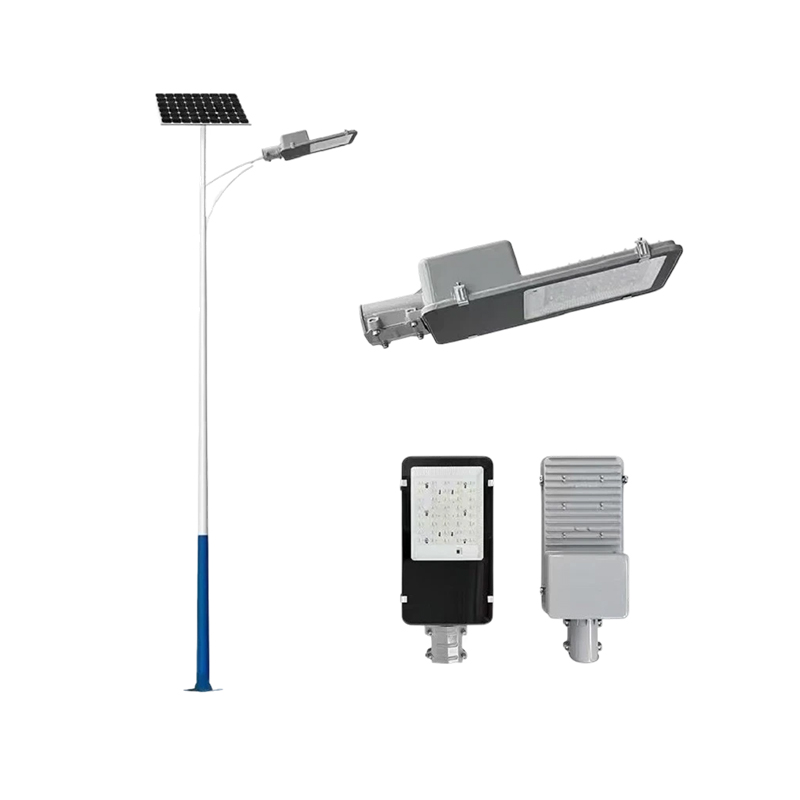
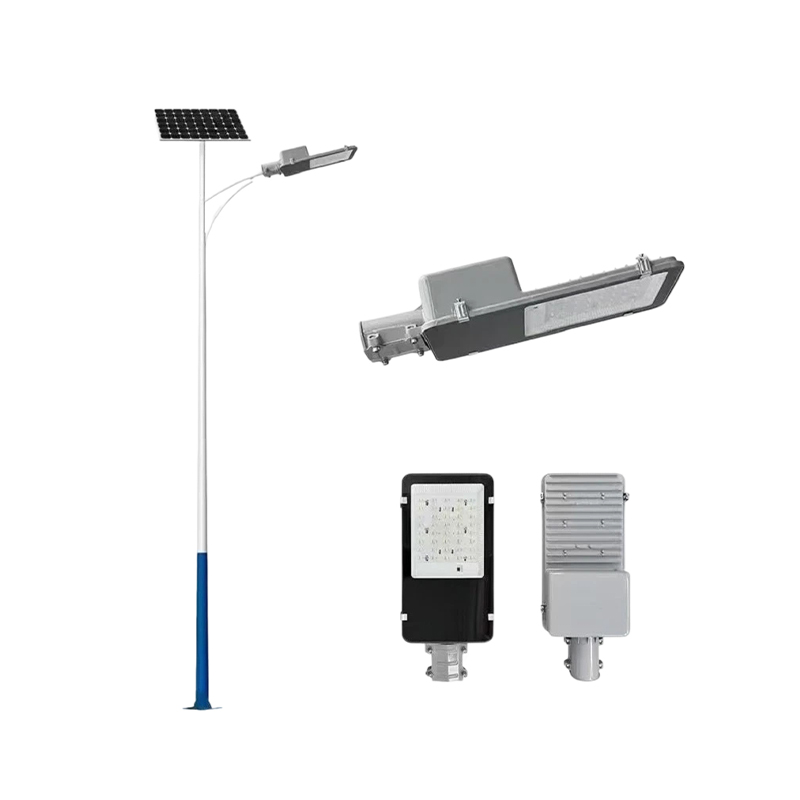
Driven by both carbon reduction and smart city initiatives, solar street lights have evolved from simple lighting replacements into green infrastructure integrating energy management, intelligent control, and human-centered design. Take solar street lights as an example—equipped with a 60W high-efficiency LED light source, a 40Ah lithium iron phosphate battery, a 60W high-conversion-rate photovoltaic panel, and supporting intelligent operating modes—their design cleverly solves this problem by integrating multiple technologies such as light control, time control, sensing, and dimming, truly achieving human-centered smart lighting that is "bright when it should be bright, dim when it should be dim, brighter when people are around, and energy-saving when no one is around."

1. Intelligent Light Control + Segmented Dimming: On-Demand Energy Supply, Eliminating Waste
Traditional lighting is "always on," regardless of whether anyone is passing by at night, resulting in a large amount of ineffective energy consumption. Modern solar street lights generally use a combination of photosensitive sensors and microcontrollers to achieve the basic logic of "automatically turning on at night and automatically turning off at dawn." Furthermore, a multi-time-segment dimming strategy is introduced: for example, a high-brightness mode is used for the first 3 hours after sunset to meet the peak demand of pedestrian and vehicular traffic; then a medium-brightness mode is used to maintain basic road visibility; and from 0:00 AM to dawn, a low-brightness standby mode is switched to ensure only emergency lighting.
This dynamic adjustment significantly reduces the average power consumption throughout the night. Taking a 60W LED light as an example, if it is constantly lit for 6 hours, the daily power consumption is 180Wh; while using the "3h high brightness + 2h medium brightness + 1h low brightness" mode, the daily power consumption can be reduced to about 100Wh, achieving an energy saving rate of 44%. This not only extends the battery life on cloudy or rainy days but also significantly reduces the charging and discharging pressure on the 40Ah battery, extending its lifespan by 5-7 years.
2. Human/Vehicle Sensing: Making Light "Actively Serve" People
Energy saving does not mean "stingy use of light." In low-traffic areas such as park trails, residential alleyways, and underground parking garage entrances, solar street lights further integrate microwave radar or infrared human body sensing modules. When a pedestrian or vehicle is detected approaching, the lights instantly boost to 100% brightness, providing ample illumination; after a 30-60 second delay, they automatically return to low brightness. This "on-demand lighting" mode minimizes ineffective lighting time while ensuring safety.
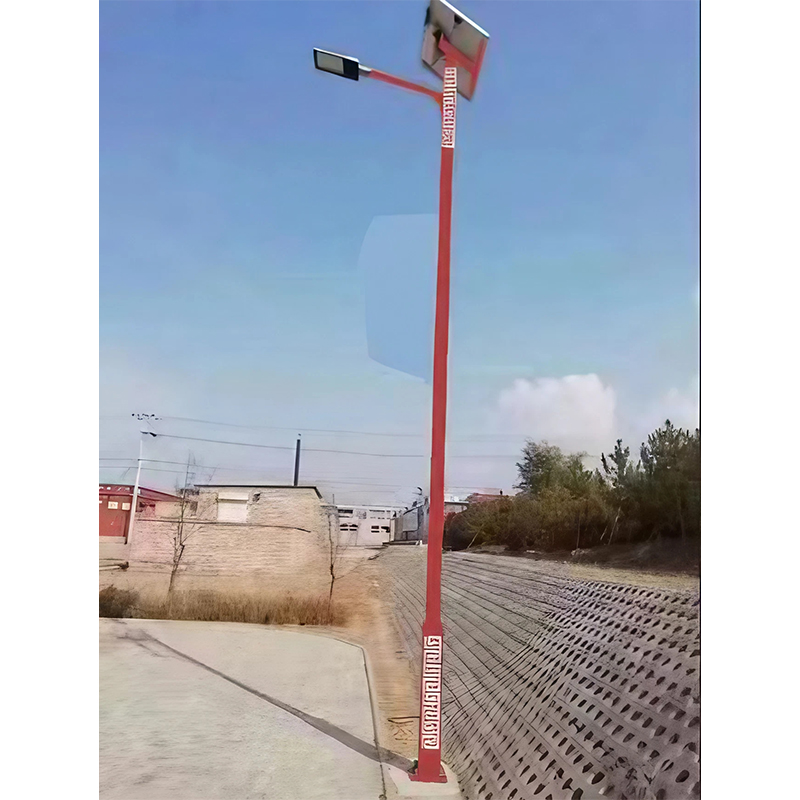
On a rural road with sparse pedestrian traffic at night, sensor-activated solar street lights may remain in low-power standby mode 90% of the time, only briefly brightening when someone passes by. Compared to a constant-on solution, annual energy savings can reach over 60%, and the user experience is superior—no need to grope in the dark, the lights respond promptly like a "walking guardian."

3. Adaptive Environmental Adjustment: Optimizing Light Output According to Time and Location
High-end solar street lights also possess environmental adaptive capabilities. Through a built-in illuminance sensor, the system can determine the moonlight intensity: on a clear night with a full moon, it automatically reduces LED output; on cloudy or rainy nights, it appropriately increases brightness to compensate for insufficient ambient light. Some products even dynamically adjust daily operating hours based on geographical location and seasonal sunlight data—5 hours of lighting is sufficient in the short summer nights, while automatically extending to 7 hours in winter to ensure full nighttime coverage.
Furthermore, preset lighting modes are provided for different scenarios: high brightness is emphasized around schools during the morning school hours; uniform, glare-free lighting is prioritized in retirement communities; and side lighting is emphasized on bike paths to prevent falls. This "scenario-based lighting formula" truly integrates energy conservation and human-centered design.
4. High-Efficiency Hardware Support: Providing an Energy Foundation for Intelligent Control
The implementation of all intelligent strategies relies on a high-efficiency hardware platform. In this example, the 60W monocrystalline silicon solar panel can generate an average of 250–300Wh of electricity per day under standard sunlight, sufficient to support multiple operating modes; the 40Ah lithium iron phosphate battery boasts high cycle life, a wide temperature range, and high safety, ensuring stable energy storage; and the IP65-rated LED light source has a luminous efficacy of over 150 lm/W, far exceeding that of traditional sodium lamps, while consuming less power at the same brightness. This highly efficient "generation-storage-use" system provides ample energy redundancy for complex energy-saving and user-friendly algorithms, avoiding the predicament of "sacrificing lighting quality for energy saving."
5. Remote Management and Data Feedback: Continuously Optimizing the Lighting Experience
In smart city construction, solar street lights can also be connected to IoT platforms. Managers can monitor the power consumption, operating status, and fault alarms of each light in real time via mobile phone or cloud backend, and remotely adjust dimming curves, sensor sensitivity, or switching times. Simultaneously, data collected by the system, such as pedestrian flow heat maps and lighting usage frequency, can be fed back into urban planning—for example, if high-frequency traffic is found on a certain road section late at night, the high-brightness period can be appropriately extended, truly achieving "lighting based on people."
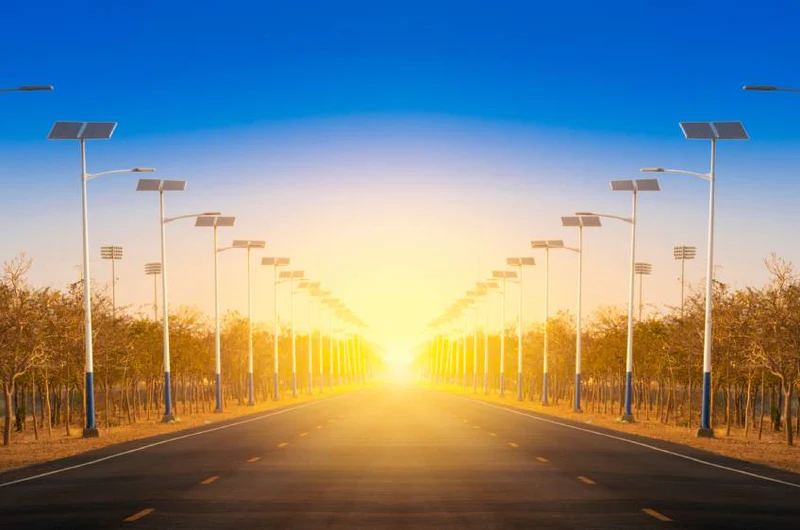
The ultimate value of solar street lights lies not only in "not using the power grid and not incurring electricity bills," but also in its intelligent redefinition of the temperature of public lighting. Through the synergy of light control, sensing, dimming, and efficient hardware, it achieves a delicate balance between "energy saving" and "humanization" within limited energy boundaries—shining brightly when needed and quietly fading away when no one is around. When every ray of light serves people's needs perfectly, solar street lights are no longer cold equipment, but become warm, intelligent, and sustainable partners of light in the city night.