


How do solar street lights drape the night in a green veil?
Release Time : 2025-12-29
As night falls and cities and villages are gently illuminated, solar street lights quietly awaken, dispelling darkness with their tranquil light, requiring no electricity from the power grid. They are not connected by cables, consume no fossil fuels, and rely solely on the gift of sunlight to continuously glow in the night—like draping the earth in a light, clean, and vibrant green veil. In today's era of deeply advancing "dual-carbon" goals, solar street lights are no longer just lighting tools, but have become a poetic symbol of ecological civilization construction, a model of harmonious coexistence between technology and nature.
1. Taking from Light, Using for Night: A Natural Cycle of Zero-Carbon Lighting
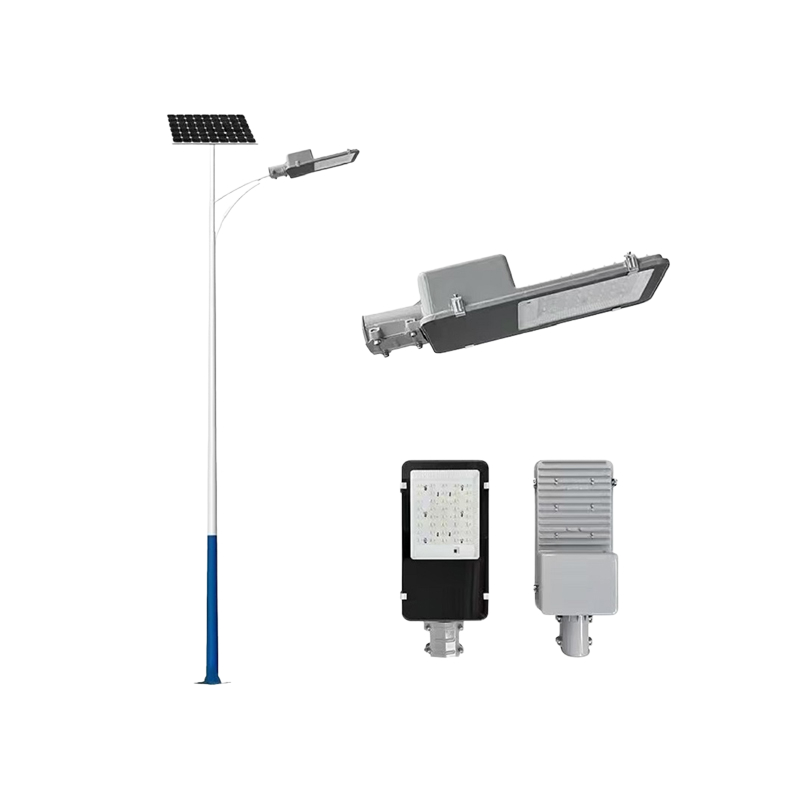
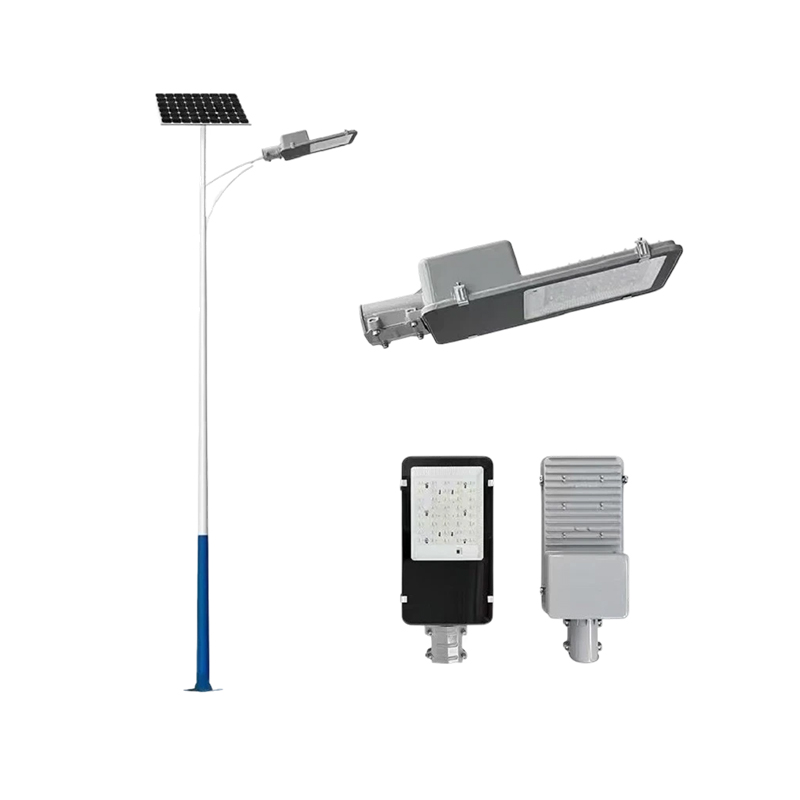
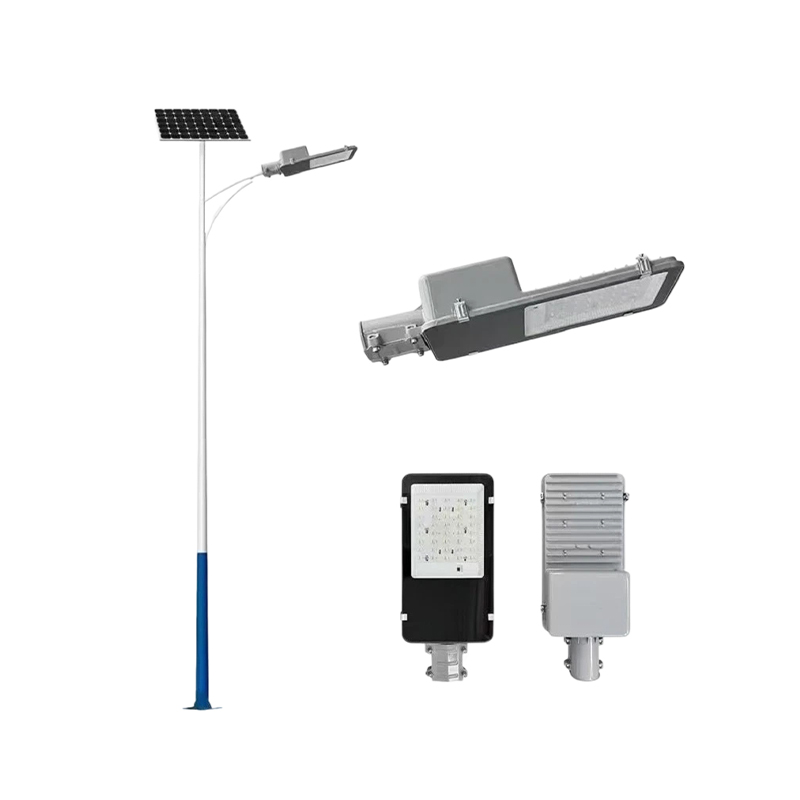
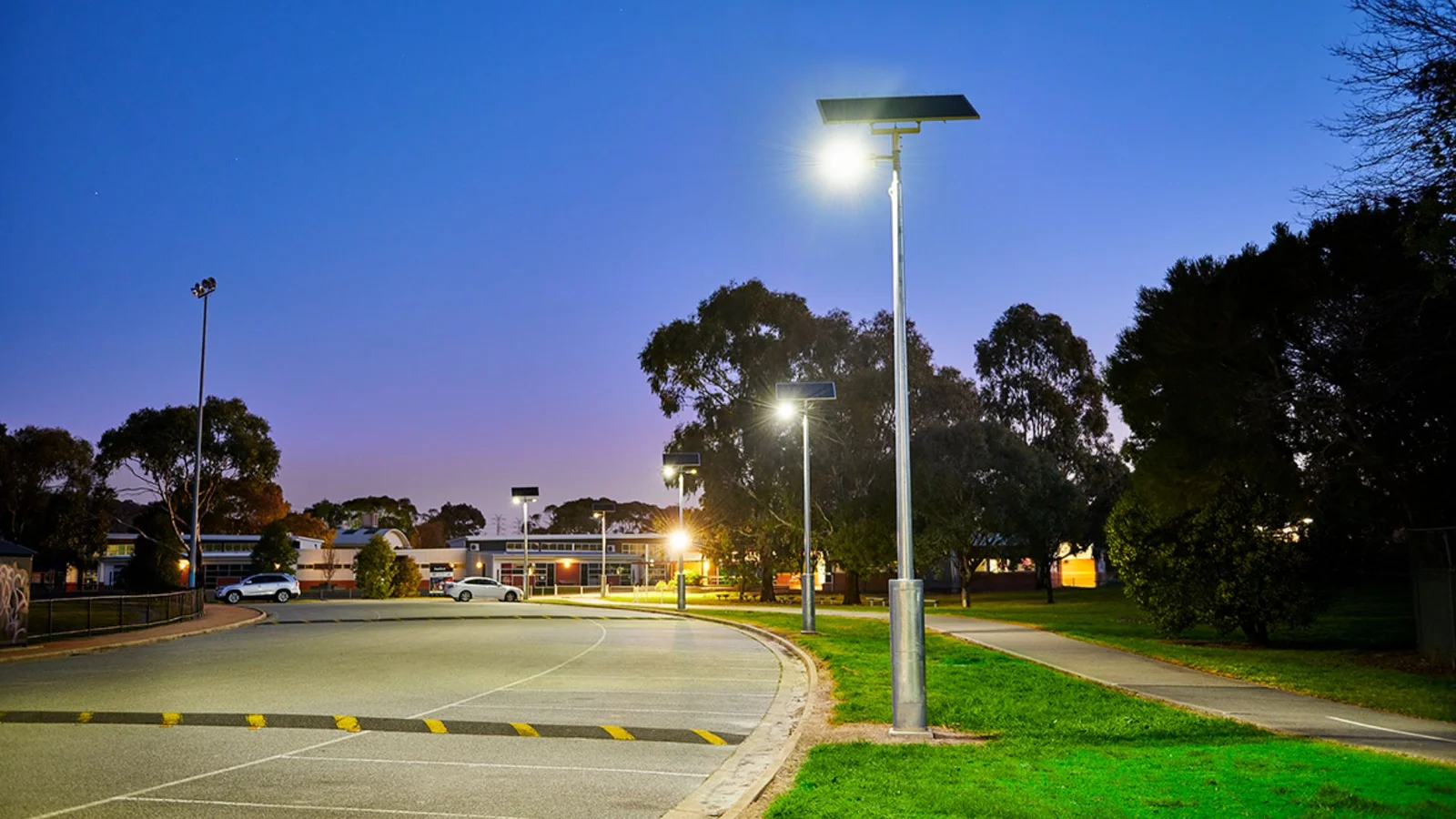
The core charm of solar street lights lies in their construction of a complete natural energy closed loop. During the day, the photovoltaic panels on top quietly absorb sunlight like sunflowers, converting light energy into electricity; at night, the energy stored in the batteries is released, driving LED light sources to illuminate the road. The entire process is emission-free, noise-free, and without dependence on external energy, truly achieving a sustainable model of "relying on nature." A 60W high-efficiency monocrystalline silicon solar panel paired with a 40Ah lithium iron phosphate battery is sufficient to support a 60W LED light head for over 6 hours of continuous operation. This means that even in cloudy or short-day seasons, the system still has a 3-5 day battery life under overcast and rainy conditions. This "daytime storage, nighttime release" rhythm is like the breathing rhythm of nature, making the night no longer a burden on energy consumption, but an elegant continuation of green energy.
2. Robust Structure, Guardian of Light: A Masterful Fusion of Structure and Craftsmanship
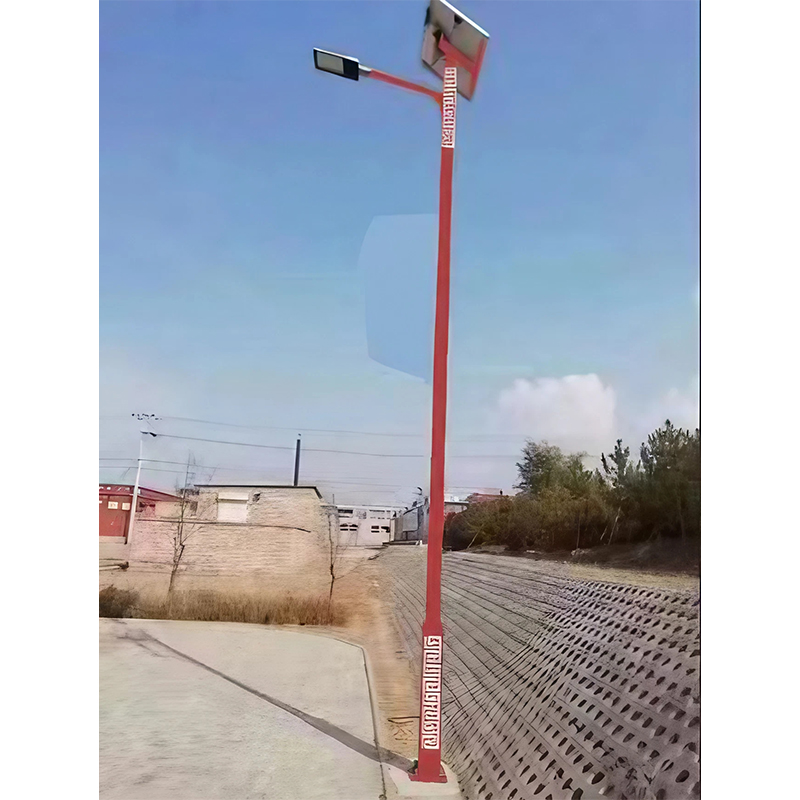
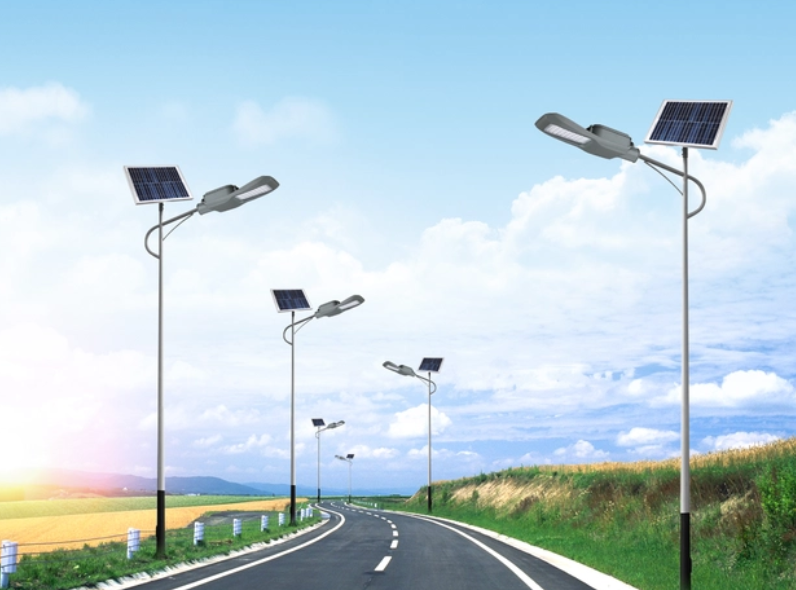
To ensure long-term stable operation in complex outdoor environments, solar street lights have undergone meticulous structural design. The light pole is made of high-quality Q235 carbon steel, manufactured into a 6-meter-high tapered tube using a one-piece molding process. This not only results in a sleek and aesthetically pleasing appearance but also provides excellent wind pressure resistance and load-bearing capacity. After hot-dip galvanizing, the surface is coated with outdoor-grade anti-rust paint, forming a double anti-corrosion system that can withstand extreme climates such as coastal salt spray, northern cold, and southern heat and humidity, with a service life of over 15 years.
This "comprehensive" design philosophy allows solar street lights to blend seamlessly into modern urban landscapes as well as take root in remote mountain trails. Undeterred by wind and rain, and weathered by time, they silently protect every inch of illuminated land, becoming the most reliable green guardians in the darkness.
3. Intelligent Core, On-Demand Lighting: Flexible Wisdom Endowed by Technology
Solar street lights have long surpassed the rudimentary stage of a simple switch, entering a new era of intelligent control. Built-in photosensors accurately identify ambient brightness, achieving "automatic lighting at dusk and automatic dimming at dawn." Users can also flexibly set operating hours, adjust brightness in segments, and even remotely monitor battery status and fault alarms via remote control or IoT platform. This "on-demand lighting" strategy not only extends battery life but also significantly improves energy efficiency. In the quiet of the night with few pedestrians and vehicles, moderately reducing brightness meets basic safety needs while avoiding light pollution, reflecting a dual respect for the environment and residents' lives. Here, technology is not cold, impersonal code, but a gentle and considerate "light steward," making green lighting more humane and relatable.
4. Silent Protection, Low-Maintenance Operation: From "High Cost" to "Zero Burden"
Traditional municipal streetlights, while offering stable brightness, suffer from high cable laying costs, substantial electricity expenses, and frequent maintenance, especially in rural areas, mountainous regions, and scenic spots without grid coverage, where deployment is extremely difficult. Solar streetlights, on the other hand, are "install-and-use," requiring no trenching or wiring, with each light operating independently, completely eliminating dependence on the municipal power grid. Even more commendable is their near-zero maintenance: LED light sources have a lifespan exceeding 50,000 hours, and lithium iron phosphate batteries have a cycle life exceeding 2,000 cycles. Combined with an intelligent BMS protection system, core component replacement is virtually unnecessary. For local governments or community managers, this means shifting from "continuous investment" to "one-time investment, long-term benefit," significantly reducing maintenance pressure and financial burden.
5. Illuminating Corners, Warming Hearts: The Power of Green and Equitable Light
The value of solar streetlights extends beyond technical parameters; it lies in the social significance they embody. In remote rural areas, a single light might mean a child's safe return from evening study; on mountain trails, a beam of light could prevent a nighttime fall; in ecological reserves, grid-free lighting effectively reduces disturbance to natural habitats. It makes clean energy no longer the exclusive domain of cities, but accessible to every forgotten corner. This "equality of light" is the most moving embodiment of the green development philosophy—not depriving people of their right to light because of remoteness, and not abandoning environmental choices because of economic conditions. Every solar street light is a gentle promise to a "better life."
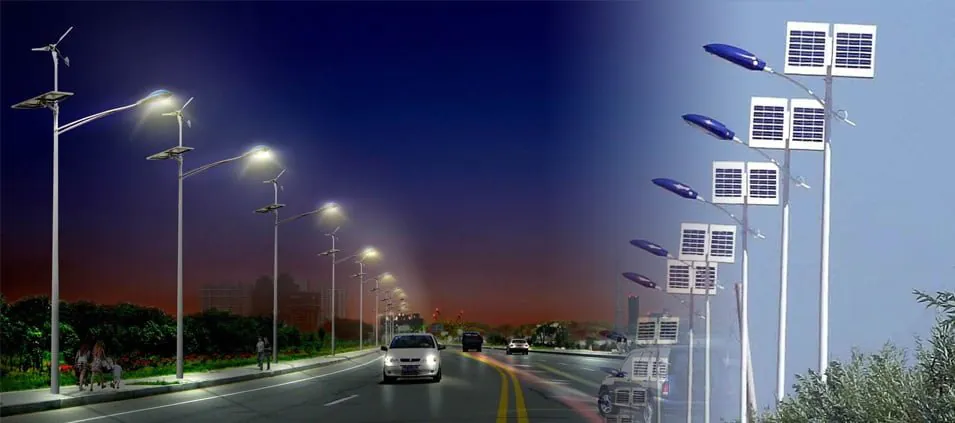
Solar street lights are a love letter from technology to nature, a gentle practice of sustainable living by humankind. They are not glaring, yet bright enough; not noisy, yet full of power. When we stroll along paths illuminated by solar street lights at night, our feet are on solid ground, our heads are under a vast starry sky, and all around us is a light yet resilient green veil woven from clean electricity—silently proclaiming a belief: true light never needs to come at the expense of the environment.
1. Taking from Light, Using for Night: A Natural Cycle of Zero-Carbon Lighting
The core charm of solar street lights lies in their construction of a complete natural energy closed loop. During the day, the photovoltaic panels on top quietly absorb sunlight like sunflowers, converting light energy into electricity; at night, the energy stored in the batteries is released, driving LED light sources to illuminate the road. The entire process is emission-free, noise-free, and without dependence on external energy, truly achieving a sustainable model of "relying on nature." A 60W high-efficiency monocrystalline silicon solar panel paired with a 40Ah lithium iron phosphate battery is sufficient to support a 60W LED light head for over 6 hours of continuous operation. This means that even in cloudy or short-day seasons, the system still has a 3-5 day battery life under overcast and rainy conditions. This "daytime storage, nighttime release" rhythm is like the breathing rhythm of nature, making the night no longer a burden on energy consumption, but an elegant continuation of green energy.
2. Robust Structure, Guardian of Light: A Masterful Fusion of Structure and Craftsmanship
To ensure long-term stable operation in complex outdoor environments, solar street lights have undergone meticulous structural design. The light pole is made of high-quality Q235 carbon steel, manufactured into a 6-meter-high tapered tube using a one-piece molding process. This not only results in a sleek and aesthetically pleasing appearance but also provides excellent wind pressure resistance and load-bearing capacity. After hot-dip galvanizing, the surface is coated with outdoor-grade anti-rust paint, forming a double anti-corrosion system that can withstand extreme climates such as coastal salt spray, northern cold, and southern heat and humidity, with a service life of over 15 years.
This "comprehensive" design philosophy allows solar street lights to blend seamlessly into modern urban landscapes as well as take root in remote mountain trails. Undeterred by wind and rain, and weathered by time, they silently protect every inch of illuminated land, becoming the most reliable green guardians in the darkness.
3. Intelligent Core, On-Demand Lighting: Flexible Wisdom Endowed by Technology
Solar street lights have long surpassed the rudimentary stage of a simple switch, entering a new era of intelligent control. Built-in photosensors accurately identify ambient brightness, achieving "automatic lighting at dusk and automatic dimming at dawn." Users can also flexibly set operating hours, adjust brightness in segments, and even remotely monitor battery status and fault alarms via remote control or IoT platform. This "on-demand lighting" strategy not only extends battery life but also significantly improves energy efficiency. In the quiet of the night with few pedestrians and vehicles, moderately reducing brightness meets basic safety needs while avoiding light pollution, reflecting a dual respect for the environment and residents' lives. Here, technology is not cold, impersonal code, but a gentle and considerate "light steward," making green lighting more humane and relatable.
4. Silent Protection, Low-Maintenance Operation: From "High Cost" to "Zero Burden"
Traditional municipal streetlights, while offering stable brightness, suffer from high cable laying costs, substantial electricity expenses, and frequent maintenance, especially in rural areas, mountainous regions, and scenic spots without grid coverage, where deployment is extremely difficult. Solar streetlights, on the other hand, are "install-and-use," requiring no trenching or wiring, with each light operating independently, completely eliminating dependence on the municipal power grid. Even more commendable is their near-zero maintenance: LED light sources have a lifespan exceeding 50,000 hours, and lithium iron phosphate batteries have a cycle life exceeding 2,000 cycles. Combined with an intelligent BMS protection system, core component replacement is virtually unnecessary. For local governments or community managers, this means shifting from "continuous investment" to "one-time investment, long-term benefit," significantly reducing maintenance pressure and financial burden.
5. Illuminating Corners, Warming Hearts: The Power of Green and Equitable Light
The value of solar streetlights extends beyond technical parameters; it lies in the social significance they embody. In remote rural areas, a single light might mean a child's safe return from evening study; on mountain trails, a beam of light could prevent a nighttime fall; in ecological reserves, grid-free lighting effectively reduces disturbance to natural habitats. It makes clean energy no longer the exclusive domain of cities, but accessible to every forgotten corner. This "equality of light" is the most moving embodiment of the green development philosophy—not depriving people of their right to light because of remoteness, and not abandoning environmental choices because of economic conditions. Every solar street light is a gentle promise to a "better life."
Solar street lights are a love letter from technology to nature, a gentle practice of sustainable living by humankind. They are not glaring, yet bright enough; not noisy, yet full of power. When we stroll along paths illuminated by solar street lights at night, our feet are on solid ground, our heads are under a vast starry sky, and all around us is a light yet resilient green veil woven from clean electricity—silently proclaiming a belief: true light never needs to come at the expense of the environment.