


How do solar street lights achieve efficient and energy-saving lighting management?
1. Efficient Hardware Matching: Reducing Energy Consumption from the Source
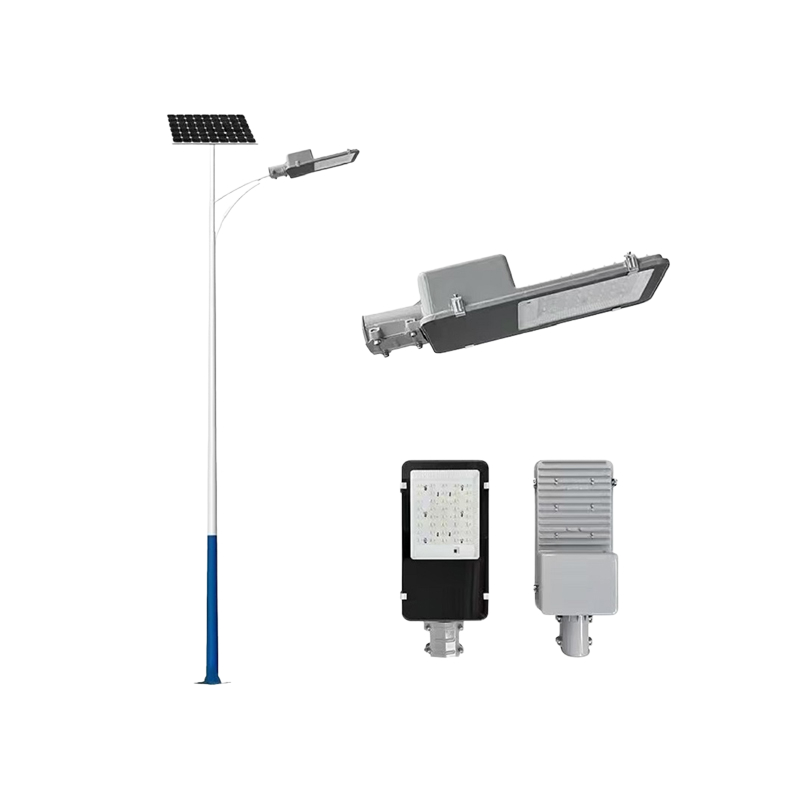
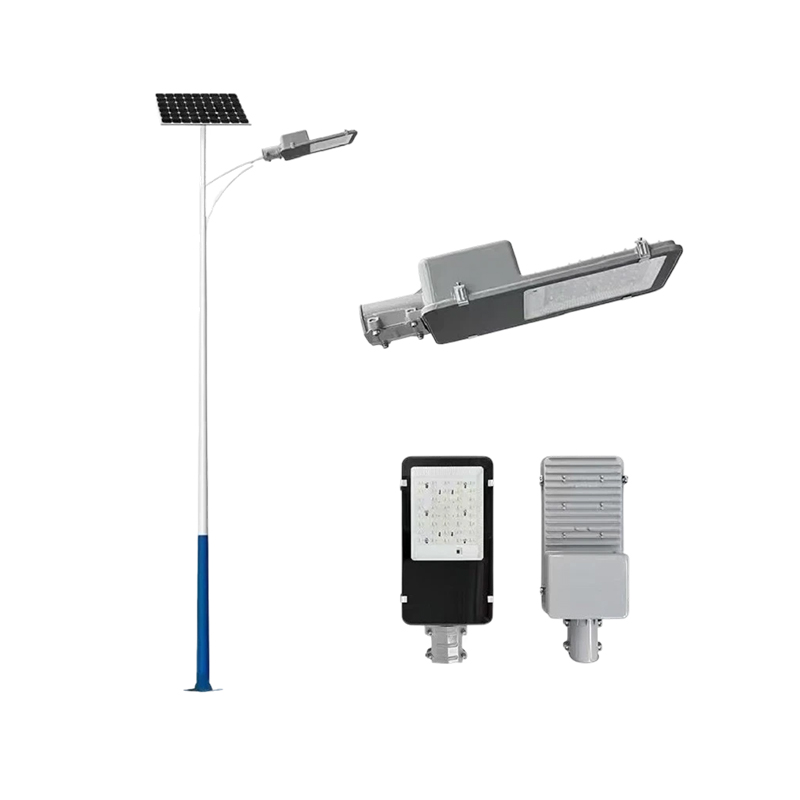
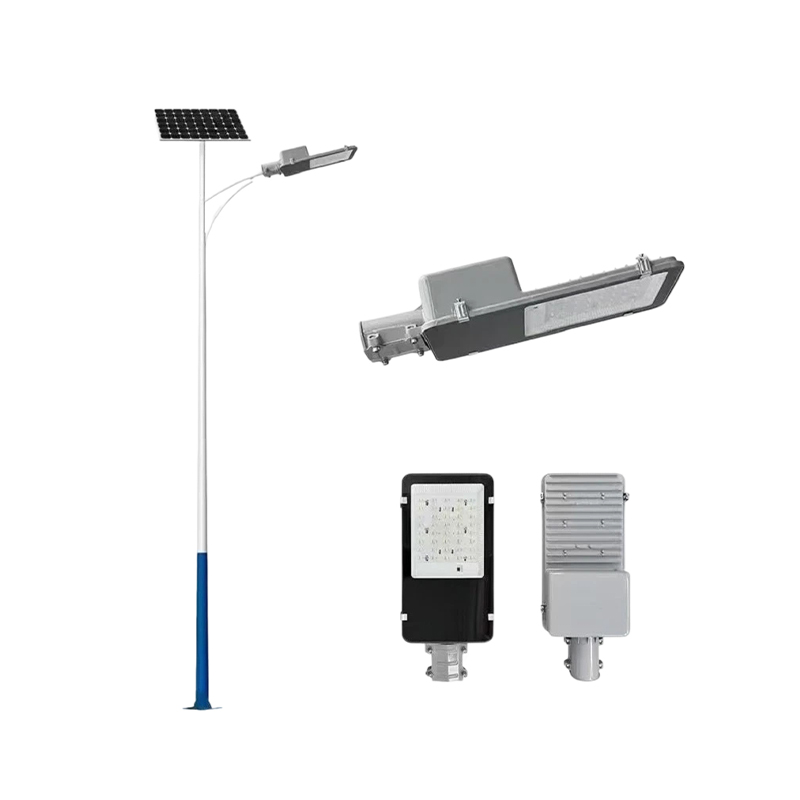
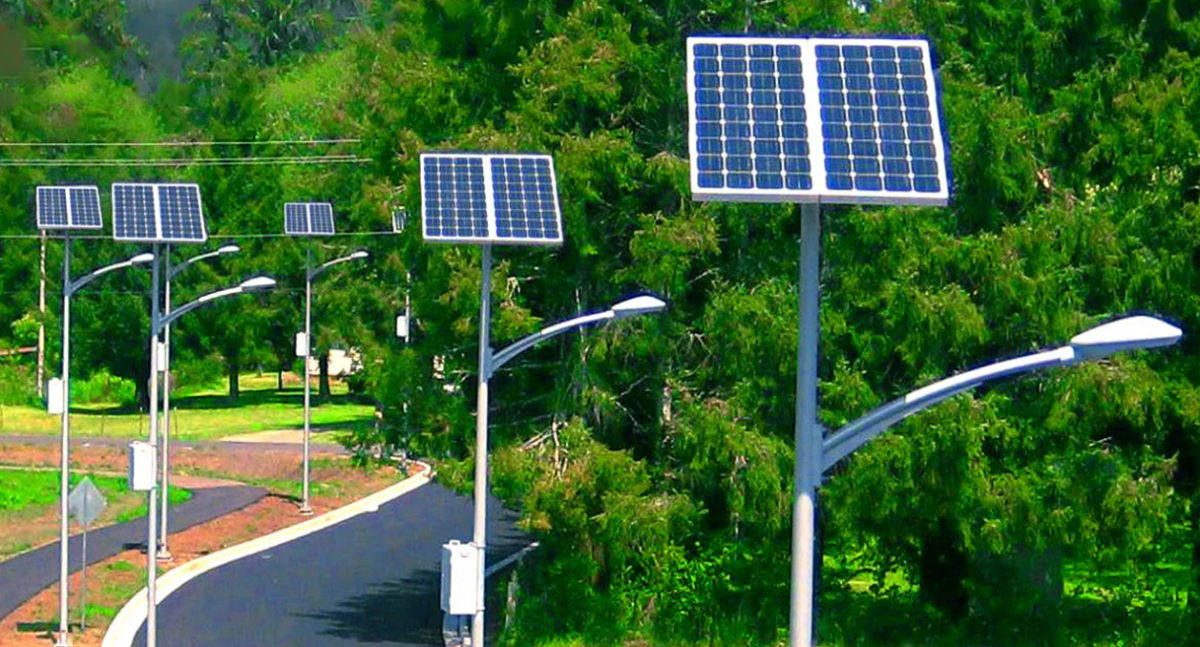
High efficiency and energy saving begin with the scientific selection and precise matching of core components. The 60W LED light source uses high-efficiency chips, saving over 50% more energy than traditional light sources under the same illuminance. Its IP65 protection rating ensures long-term outdoor use without light decay due to water ingress or dust accumulation. The 60W monocrystalline silicon solar panel has a conversion efficiency exceeding 18%, generating approximately 220–260Wh of electricity per day under standard sunlight conditions, sufficient to support 6 hours of full-power lighting with a margin for cloudy days. The 40Ah lithium iron phosphate battery, with its high cycle life, excellent thermal stability, and low self-discharge rate, not only extends the system's lifespan but also avoids energy waste caused by battery aging, laying a solid foundation for energy conservation from the source.
2. Intelligent Control Strategy: On-Demand Lighting, Avoiding Ineffective Power Consumption
While the basic operating mode is "lights on at dusk, lights off after 6 hours," modern solar street lights generally incorporate more refined control logic. For example, a high-sensitivity light control sensor accurately identifies ambient illuminance, avoiding misjudgment at dusk; a built-in real-time clock supports segmented dimming—full power for the first 3 hours to ensure safe passage, and then reduced to 30%–50% for the next 3 hours to maintain basic lighting, reducing overall energy consumption by 25%–35%. Some systems also integrate microwave or infrared sensing modules, maintaining low brightness when there are no pedestrians or vehicles, and instantly brightening when someone passes by, achieving dynamic energy saving of "lights on when people are present, lights off when people leave."
3. Optimized Energy Management: Improving Charging and Discharging Efficiency and Battery Life
High-efficiency energy saving is not only about "saving electricity," but also about "smart electricity use." The advanced controller uses MPPT charging technology, which can improve solar energy conversion efficiency by 15%–25% compared to traditional PWM methods, especially noticeable in the early morning, evening, or on cloudy days. Simultaneously, the system has a battery health monitoring function: when continuous rain causes the battery level to fall below the safe threshold, it automatically shortens the lighting time or switches to emergency mode to prevent over-discharge damage to the battery. This adaptive energy scheduling mechanism extends battery life and improves the system's self-sufficiency in extreme weather conditions.
4. Structural and Environmental Adaptability: Ensuring Long-Term Stable Operation
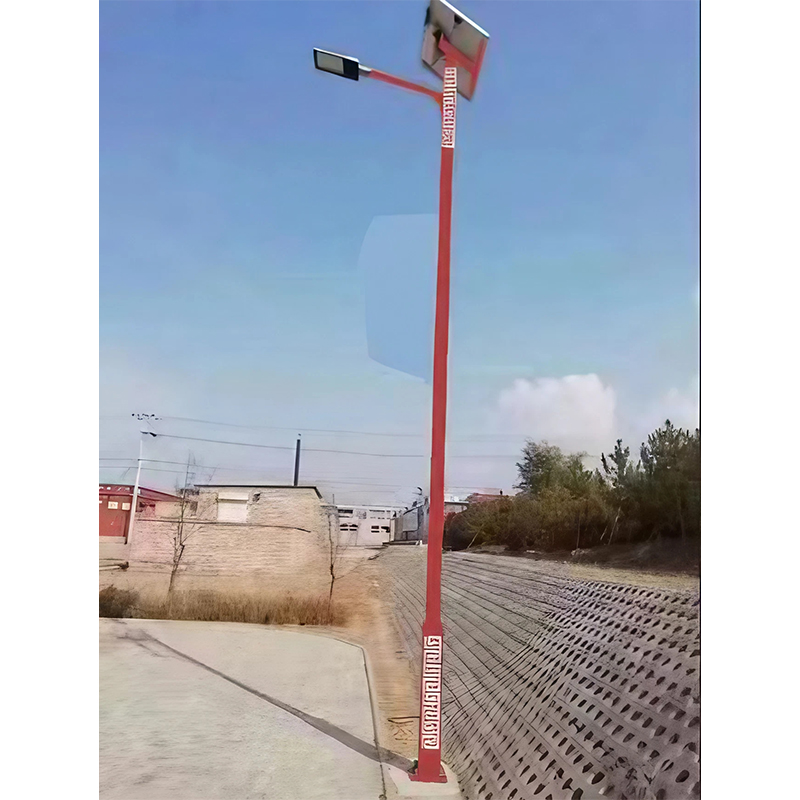
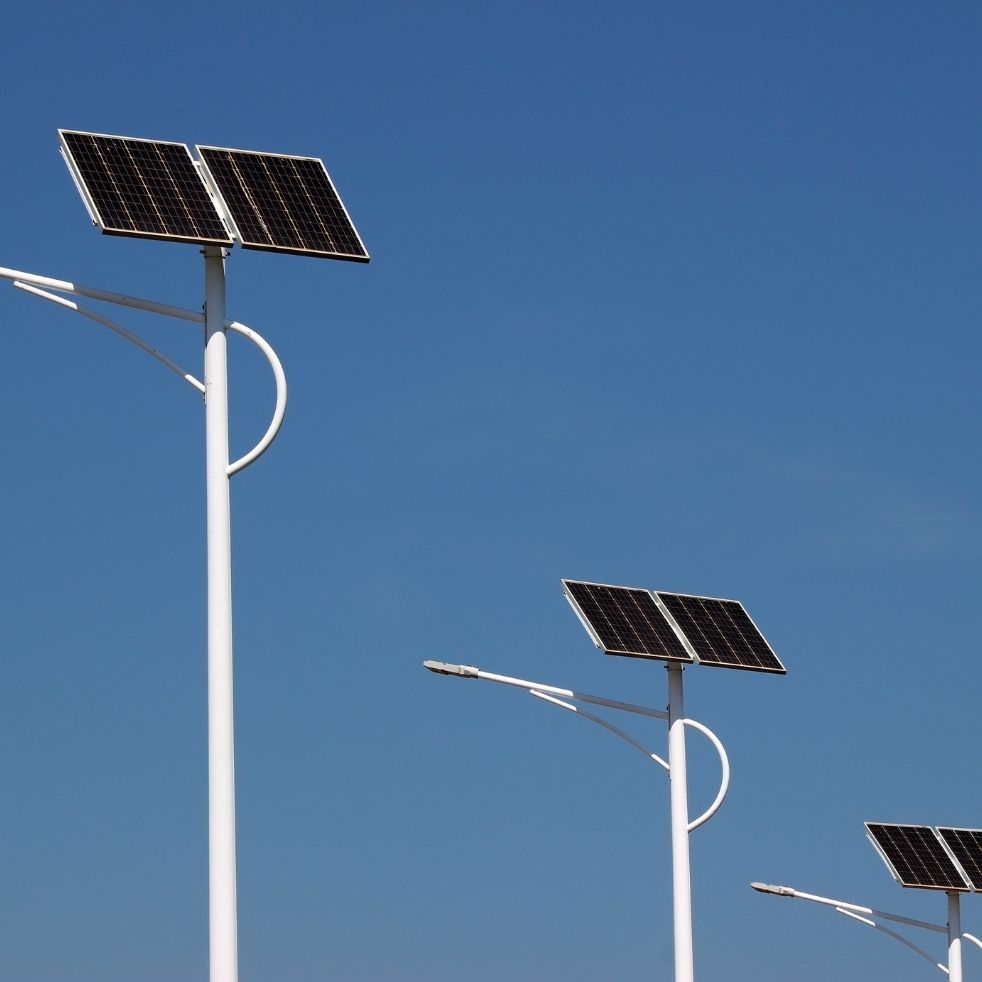
The 6-meter-high light pole utilizes a one-piece formed conical structure made of Q235 steel, undergoing double anti-corrosion treatment with hot-dip galvanizing and outdoor anti-rust paint. It withstands winds up to level 12, ensuring long-term stable operation in harsh environments such as high humidity in coastal areas, frigid northern climates, or high temperatures in deserts. The robust structure means less frequent maintenance or component replacement, indirectly reducing resource consumption and carbon emissions. Furthermore, the integrated design reduces exposed cables, lowering the failure rate and further ensuring the continuous and efficient operation of the lighting system.
Solar Street Lights' efficient energy-saving lighting management is not the result of a single technology, but rather a system integration of hardware performance, intelligent algorithms, energy strategies, and structural reliability. Taking the configuration described in this article as an example, through precise matching, intelligent dimming, MPPT charging, and environmentally adaptable design, it not only achieves the basic functions of "automatic lighting at dusk and intelligent shutdown after 6 hours," but also maximizes energy utilization efficiency throughout its entire lifecycle. In the future, with the integration of IoT and AI predictive technologies, Solar Street Lights will move towards a smarter and greener new stage of lighting.