


How do one-piece formed tapered light poles improve the structural strength and wind resistance of solar street lights?
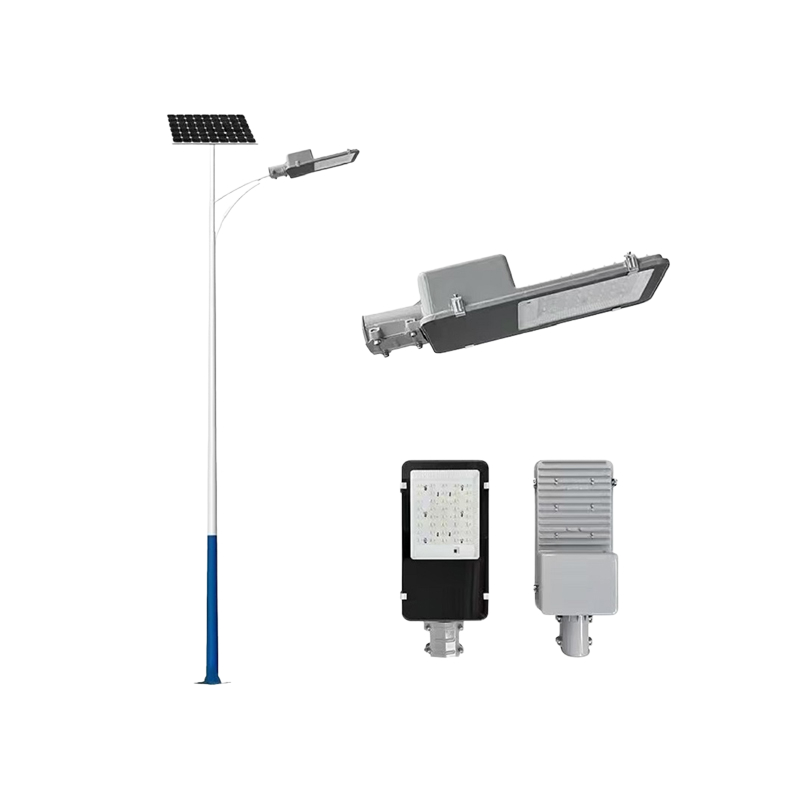
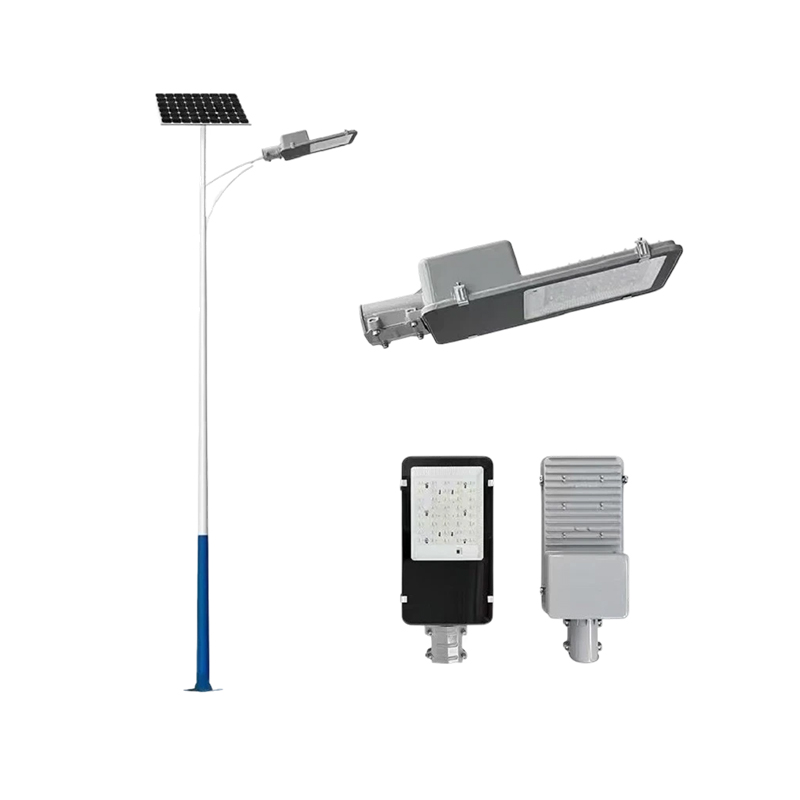
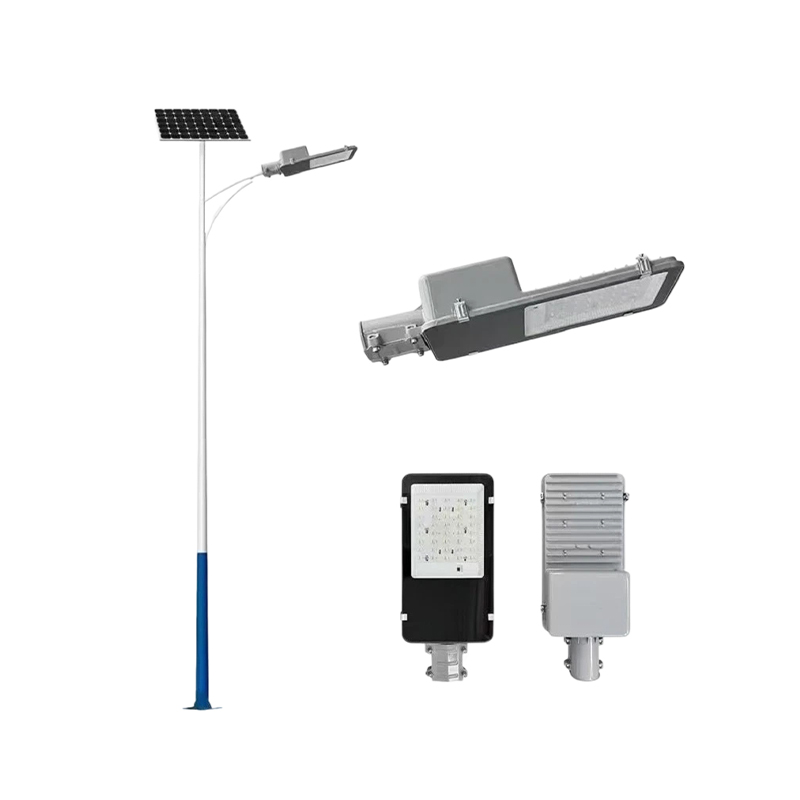
In solar street light systems, the light pole is not only the physical carrier supporting the light source, solar panels, and battery components, but also the first line of defense against natural loads such as wind, rain, snow, and typhoons. Especially in applications with a height of 6 meters, the structural stability of the light pole directly affects the safety and lifespan of the entire light system. Tapered light poles manufactured using a one-piece forming process from Q235 carbon structural steel, with their material advantages, overall structural characteristics, and optimized mechanical design, exhibit significant advantages in structural strength and wind resistance, becoming a key guarantee for the reliable operation of modern solar street lights.
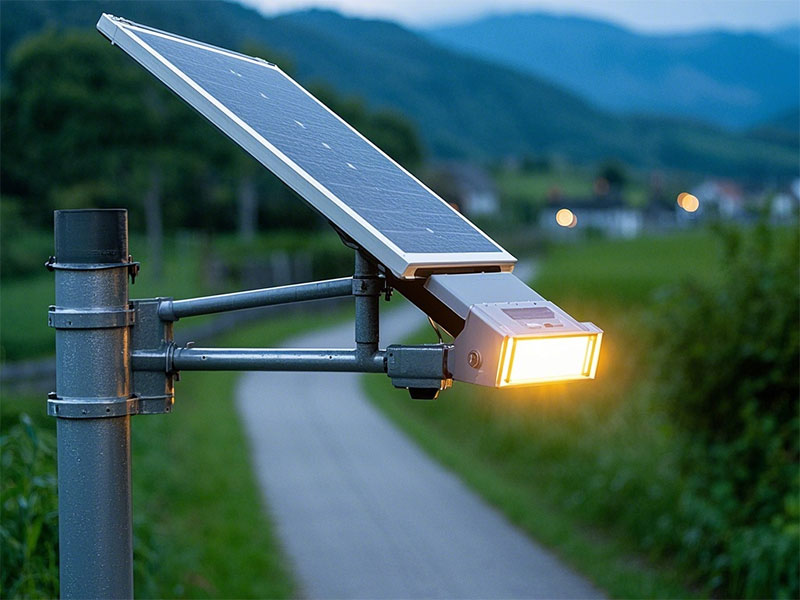
1. One-piece forming process: Eliminating weak points and improving overall rigidity
Traditional spliced or welded light poles are often composed of multiple sections of steel pipe connected together. The welds or flange interfaces become stress concentration areas, easily leading to fatigue cracks under long-term alternating wind loads. The one-piece molded tapered light pole utilizes high-frequency welding or hot-rolled plate forming technology, continuously rolling and welding the entire pole from the bottom to the top into a single piece, without intermediate joints or bolt connections. This seamless, integrated structure effectively eliminates potential fracture points, allowing the load to be evenly distributed along the pole, significantly improving overall bending and torsional stiffness. Actual measurements show that, with the same wall thickness, the yield strength of the one-piece molded light pole is more than 15% higher than that of the segmented welded structure.
2. Tapered Design: Conforms to Optimal Mechanical Distribution, Enhancing Wind Resistance Stability
The tapered structure is not merely for aesthetics, but a scientific choice based on wind engineering principles. Wind load increases with height, with the bottom of the light pole bearing the greatest bending moment. The tapered design causes the moment of inertia of the pole section to gradually increase from top to bottom—thicker and wider at the bottom, thinner and lighter at the top—perfectly matching the wind load distribution pattern. This "lighter at the top, heavier at the bottom" geometry not only lowers the overall center of gravity and improves anti-overturning ability, but also effectively suppresses wind-induced vibration. In a simulated typhoon test , the displacement of the top of the 6-meter tapered light pole was controlled within 150mm, far below the safety limit, ensuring no structural damage to the top solar panel and LED light head.
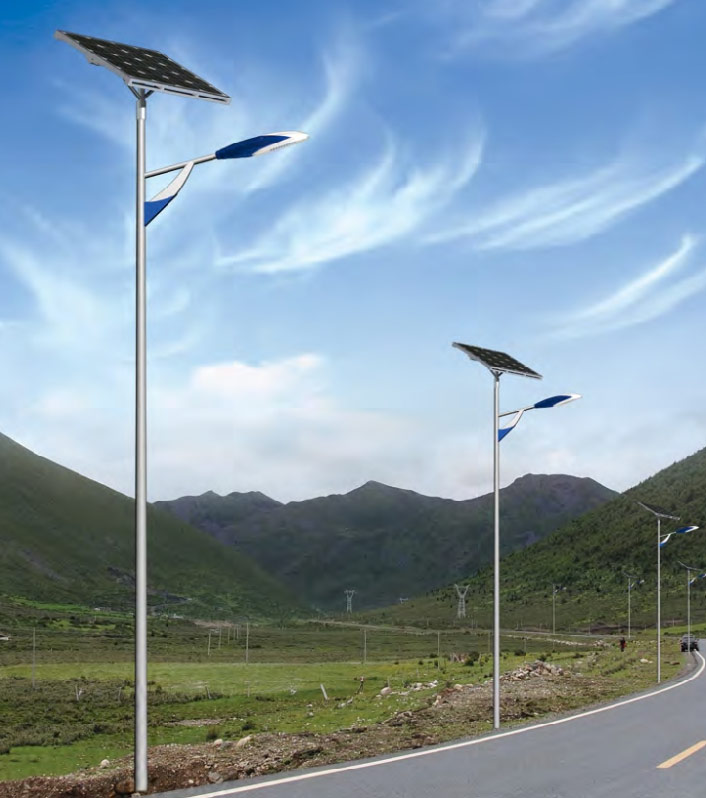
3. Q235 Steel: Balancing Strength, Toughness, and Machinability
Q235 steel, a Chinese standard carbon structural steel, possesses excellent comprehensive properties with a yield strength ≥235MPa and an elongation ≥26%. Its moderate carbon content ensures sufficient strength to support the weight of the 60W LED light head, 60W solar panel, and internal cables, while also exhibiting good plasticity and weldability, making it suitable for cold bending without cracking. Furthermore, Q235 steel is cost-effective, providing an economic basis for large-scale municipal applications.
4. Surface Anti-corrosion System: Ensuring Long-Term Structural Integrity
The light pole, after being formed in one piece, undergoes hot-dip galvanizing to form a metallurgically bonded zinc-iron alloy protective layer. Even if the surface is scratched, the zinc can still protect the substrate through sacrificial anode action. On this basis, outdoor-specific polyester or epoxy anti-rust paint is then sprayed on to achieve "double corrosion protection." This composite coating system can withstand salt spray tests for over 1000 hours, effectively resisting corrosive environments such as high salt spray in coastal areas and acid rain in industrial zones, preventing wall thickness reduction and strength degradation caused by rust, and ensuring the structural integrity of the light pole within its 10-15 year design life.
5. System Integration Advantages: Improved Installation Accuracy and Dynamic Stability
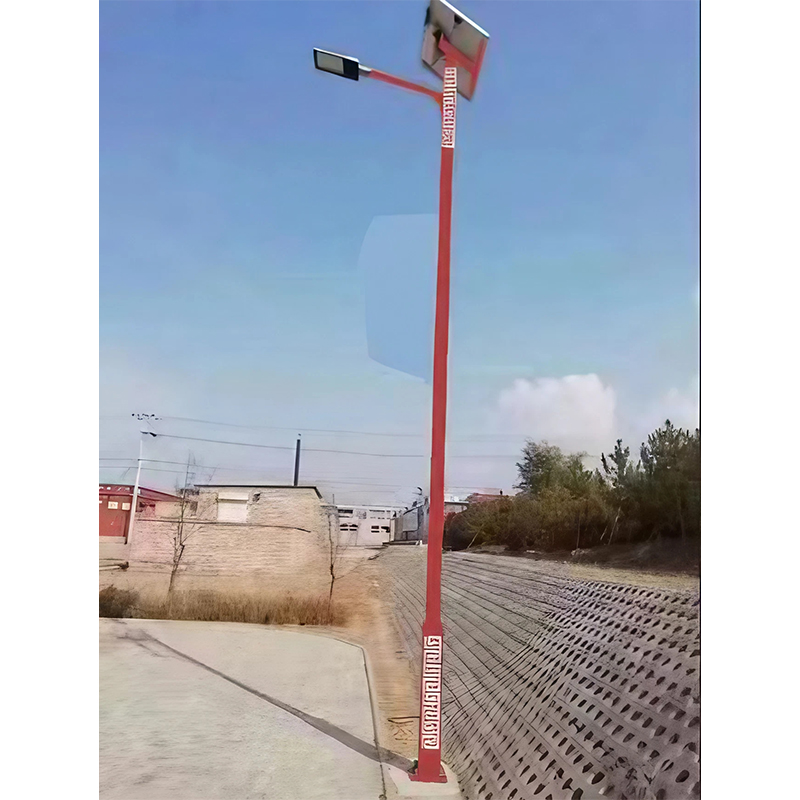
The one-piece molded tapered light pole has an unobstructed internal cavity, facilitating wiring and subsequent maintenance; its smooth outer surface is free of weld beads, reducing the wind resistance coefficient. During installation, the verticality error of the entire pole can be controlled within ≤3‰, avoiding increased swaying due to eccentric loads. Furthermore, the tapered interface fits tightly with the ground cage foundation, providing stronger pull-out resistance and further enhancing wind resistance and stability.
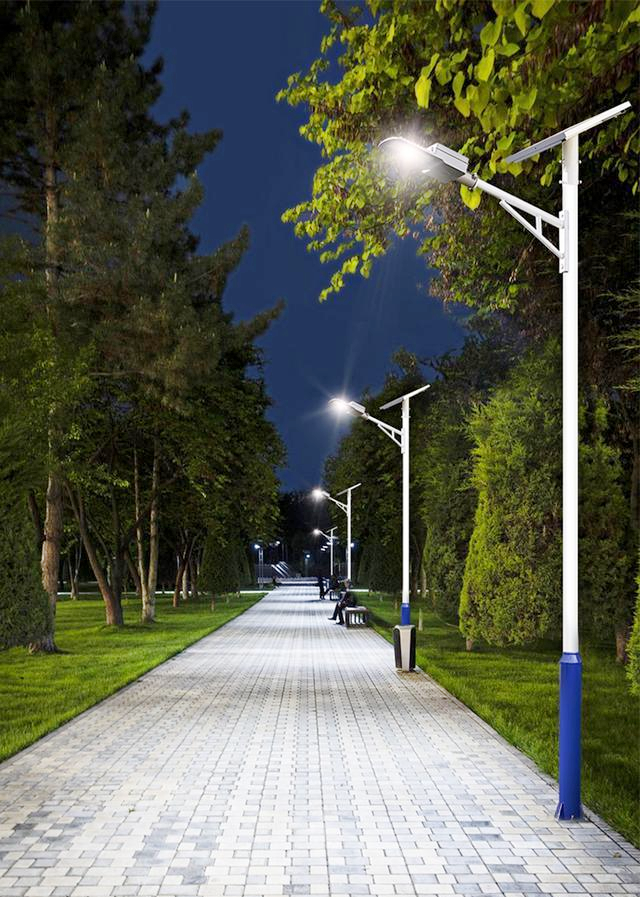
The one-piece molded steel tapered light pole, through a four-in-one system design of "materials—process—structure—protection," perfectly integrates mechanical efficiency, manufacturing precision, and environmental adaptability. It is not only the supporting framework of solar street lights but also a robust barrier against natural challenges. In today's pursuit of green lighting and infrastructure resilience, these highly reliable light poles are providing a solid and lasting guarantee of light for smart city and rural lighting projects.