


How do the tapered tube structure and hot-dip galvanizing process enhance the wind resistance and corrosion resistance of solar street lights during long-term outdoor use?
Release Time : 2026-03-25
As an important facility for modern urban and rural road lighting, solar street lights are exposed to the outdoor environment for extended periods, needing to withstand various challenges such as wind, rain, ultraviolet radiation, and temperature differences. Therefore, their structural design and surface protection process directly affect their service life and safety performance. Among these design considerations, the tapered tube structure and hot-dip galvanizing process are key factors in improving the wind resistance and corrosion resistance of solar street lights.
1. Tapered Tube Structure Enhances Wind Resistance
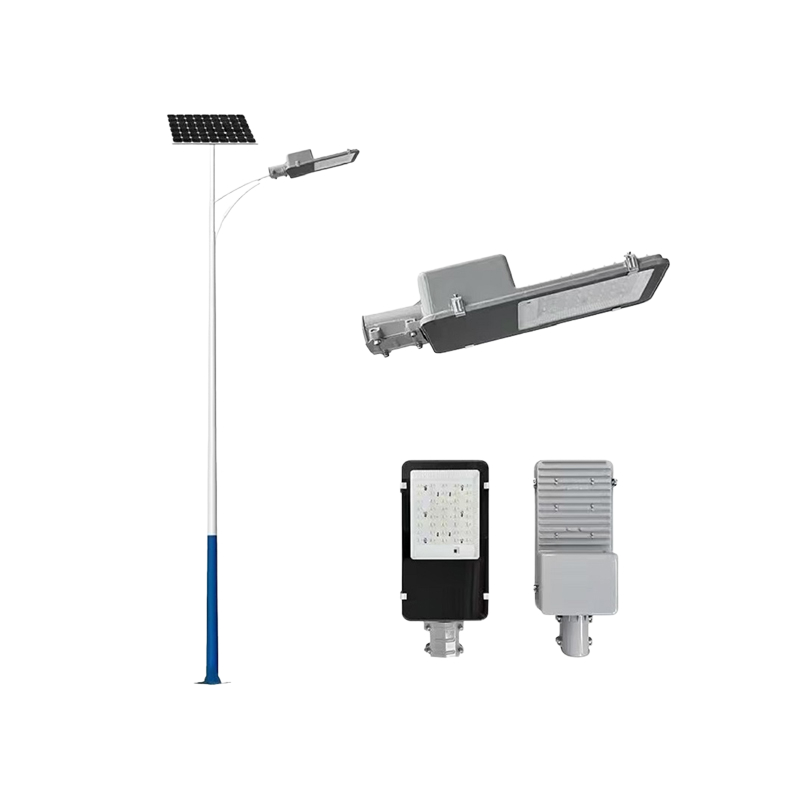
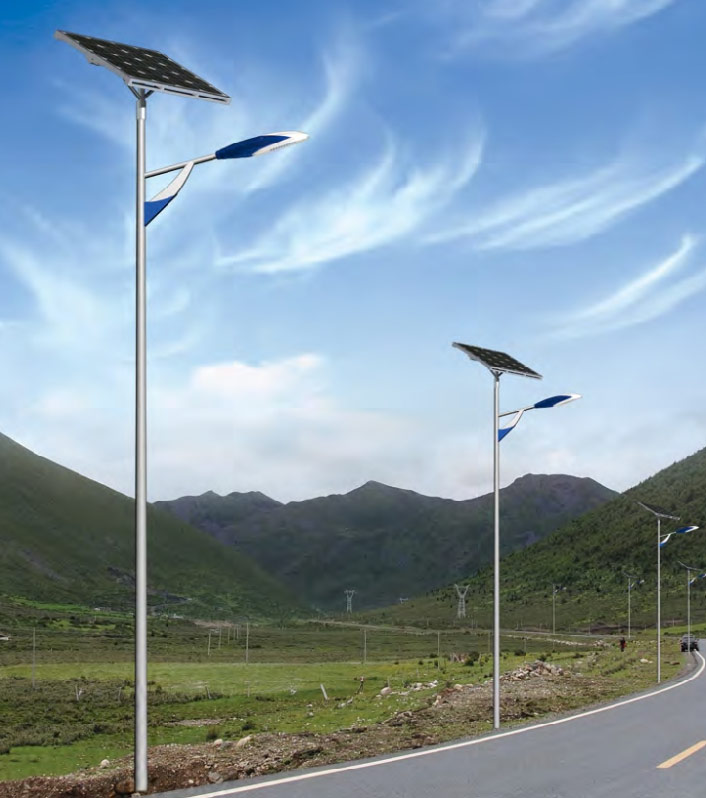
The poles of solar street lights typically employ a tapered tube design, i.e., a conical tubular structure that is thicker at the bottom and gradually tapers towards the top. This design helps to achieve a reasonable distribution of stress on the pole: the thicker bottom section bears the main bending moment and wind load, while the thinner top section reduces the overall weight, decreases the windward area, and reduces the drag coefficient, thereby enhancing wind pressure resistance. Compared to traditional straight pipes, the tapered tube structure is not only more stable in strong winds but also improves the overall strength and rigidity of the pole, reducing the risk of bending or breakage during strong winds or typhoons.
2. One-piece molding process ensures overall structural stability
Solar Street Lights' tapered tubes are manufactured using a one-piece molding process. Through cold drawing or hot pressing, the entire pole is seamless and joint-free, forming a continuous, monolithic structure. This one-piece molding results in higher bending strength and torsional stiffness, avoiding stress concentration at welds and improving the pole's stability under long-term wind loads. Simultaneously, the high precision of the overall pole manufacturing ensures a tighter fit between the pole and the base during installation, effectively reducing vibration and swaying and improving wind resistance.
3. Hot-dip galvanizing enhances corrosion resistance
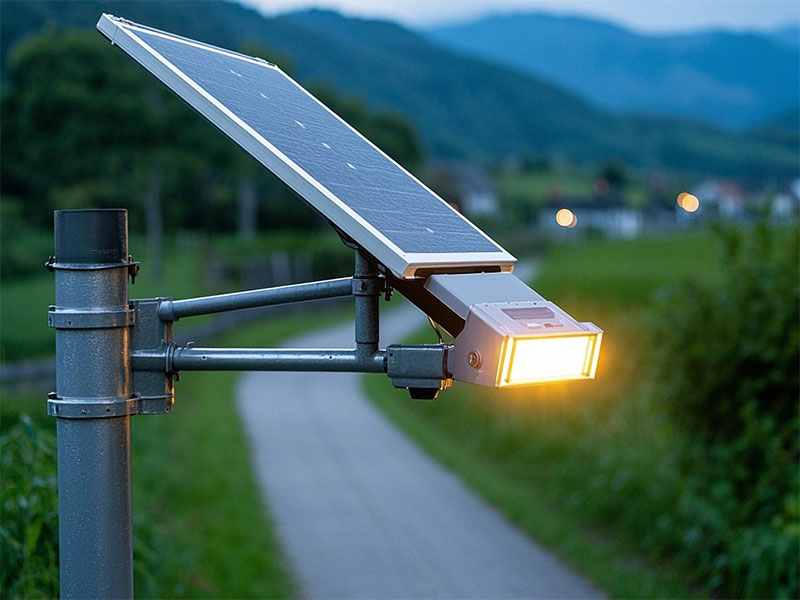
In outdoor environments, Solar Street Lights poles are constantly exposed to corrosive environments such as rain, moisture, acid rain, and sea winds. Hot-dip galvanizing is a crucial method for corrosion protection. The pole is immersed in molten zinc at high temperature, forming an intermetallic chemical layer and a highly adhesive zinc coating between the zinc layer and the steel. Hot-dip galvanizing not only provides a uniformly thick protective layer but also forms a stable passivation barrier on the steel surface, effectively preventing oxidation and rust, thus significantly extending the pole's service life.
4. Secondary Protection with Outdoor Anti-rust Paint
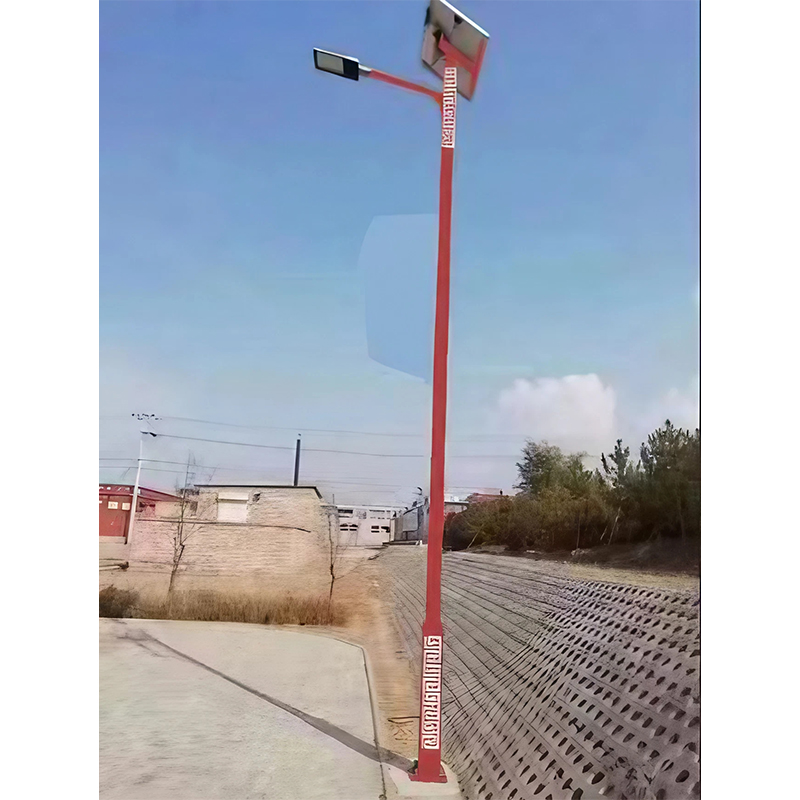
To further improve weather resistance, Solar Street Lights tapered tubes are typically coated with outdoor anti-rust paint on top of hot-dip galvanizing. This coating isolates the steel from direct corrosion by air, moisture, and ultraviolet rays, while also enhancing aesthetics and offering a variety of color options. This dual protection mechanism of paint and zinc plating forms a highly efficient anti-corrosion system, ensuring good performance even in coastal or high-humidity environments, reducing maintenance costs.
5. Synergistic Effect of Structure and Process
The combination of the tapered tube structure and the hot-dip galvanizing process gives Solar Street Lights excellent wind and corrosion resistance for long-term outdoor use. The tapered tube design disperses wind loads and reduces stress concentration on the pole; one-piece molding enhances overall rigidity; and hot-dip galvanizing combined with anti-rust paint provides double protection against corrosion. This synergistic effect of structure and process allows solar street lights to maintain stability and safety even in extreme weather conditions, while extending their service life.
6. Long-Term Maintenance and Reliability Assurance
Although the tapered tube and hot-dip galvanizing process provide excellent protection, regular inspections of the pole surface are still necessary for paint peeling or zinc layer damage during long-term use. Timely repainting or localized protective treatments can maintain the pole's corrosion resistance, ensuring stable operation of the solar street lights in outdoor environments for extended periods, maximizing their lighting and energy-saving effects.
In summary, solar street lights achieve high wind resistance and excellent corrosion resistance for long-term outdoor use through a tapered tube structure that optimizes wind load distribution, one-piece molding that enhances overall rigidity, and a combination of hot-dip galvanizing and anti-rust coating for dual corrosion protection. This organic combination of structure and technology not only ensures the safety and reliability of the lamps but also extends their service life, providing a solid guarantee for sustainable lighting in modern cities and rural areas.
1. Tapered Tube Structure Enhances Wind Resistance
The poles of solar street lights typically employ a tapered tube design, i.e., a conical tubular structure that is thicker at the bottom and gradually tapers towards the top. This design helps to achieve a reasonable distribution of stress on the pole: the thicker bottom section bears the main bending moment and wind load, while the thinner top section reduces the overall weight, decreases the windward area, and reduces the drag coefficient, thereby enhancing wind pressure resistance. Compared to traditional straight pipes, the tapered tube structure is not only more stable in strong winds but also improves the overall strength and rigidity of the pole, reducing the risk of bending or breakage during strong winds or typhoons.
2. One-piece molding process ensures overall structural stability
Solar Street Lights' tapered tubes are manufactured using a one-piece molding process. Through cold drawing or hot pressing, the entire pole is seamless and joint-free, forming a continuous, monolithic structure. This one-piece molding results in higher bending strength and torsional stiffness, avoiding stress concentration at welds and improving the pole's stability under long-term wind loads. Simultaneously, the high precision of the overall pole manufacturing ensures a tighter fit between the pole and the base during installation, effectively reducing vibration and swaying and improving wind resistance.
3. Hot-dip galvanizing enhances corrosion resistance
In outdoor environments, Solar Street Lights poles are constantly exposed to corrosive environments such as rain, moisture, acid rain, and sea winds. Hot-dip galvanizing is a crucial method for corrosion protection. The pole is immersed in molten zinc at high temperature, forming an intermetallic chemical layer and a highly adhesive zinc coating between the zinc layer and the steel. Hot-dip galvanizing not only provides a uniformly thick protective layer but also forms a stable passivation barrier on the steel surface, effectively preventing oxidation and rust, thus significantly extending the pole's service life.
4. Secondary Protection with Outdoor Anti-rust Paint
To further improve weather resistance, Solar Street Lights tapered tubes are typically coated with outdoor anti-rust paint on top of hot-dip galvanizing. This coating isolates the steel from direct corrosion by air, moisture, and ultraviolet rays, while also enhancing aesthetics and offering a variety of color options. This dual protection mechanism of paint and zinc plating forms a highly efficient anti-corrosion system, ensuring good performance even in coastal or high-humidity environments, reducing maintenance costs.
5. Synergistic Effect of Structure and Process
The combination of the tapered tube structure and the hot-dip galvanizing process gives Solar Street Lights excellent wind and corrosion resistance for long-term outdoor use. The tapered tube design disperses wind loads and reduces stress concentration on the pole; one-piece molding enhances overall rigidity; and hot-dip galvanizing combined with anti-rust paint provides double protection against corrosion. This synergistic effect of structure and process allows solar street lights to maintain stability and safety even in extreme weather conditions, while extending their service life.
6. Long-Term Maintenance and Reliability Assurance
Although the tapered tube and hot-dip galvanizing process provide excellent protection, regular inspections of the pole surface are still necessary for paint peeling or zinc layer damage during long-term use. Timely repainting or localized protective treatments can maintain the pole's corrosion resistance, ensuring stable operation of the solar street lights in outdoor environments for extended periods, maximizing their lighting and energy-saving effects.
In summary, solar street lights achieve high wind resistance and excellent corrosion resistance for long-term outdoor use through a tapered tube structure that optimizes wind load distribution, one-piece molding that enhances overall rigidity, and a combination of hot-dip galvanizing and anti-rust coating for dual corrosion protection. This organic combination of structure and technology not only ensures the safety and reliability of the lamps but also extends their service life, providing a solid guarantee for sustainable lighting in modern cities and rural areas.