
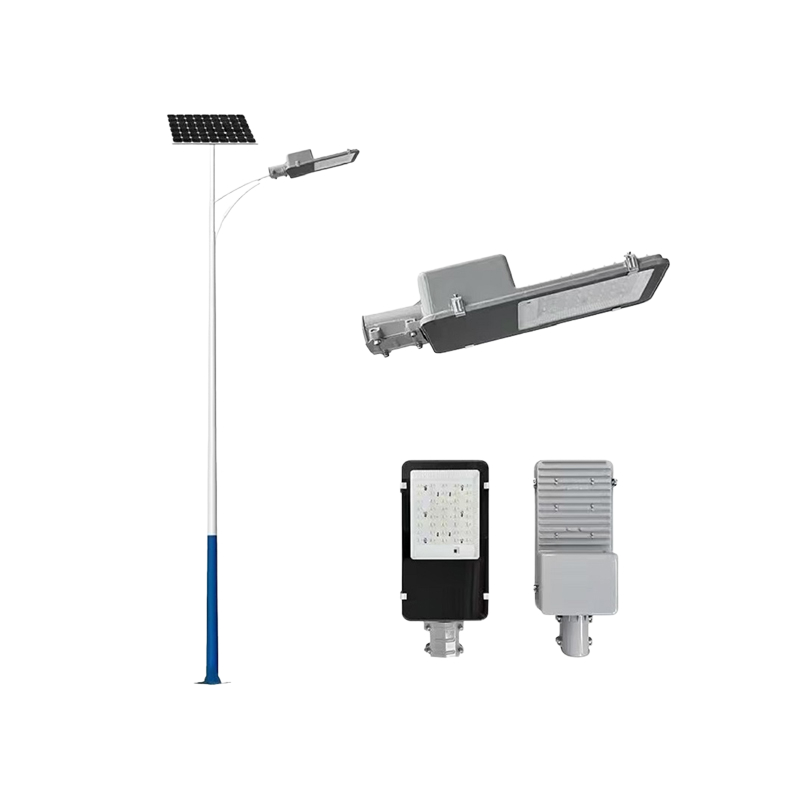
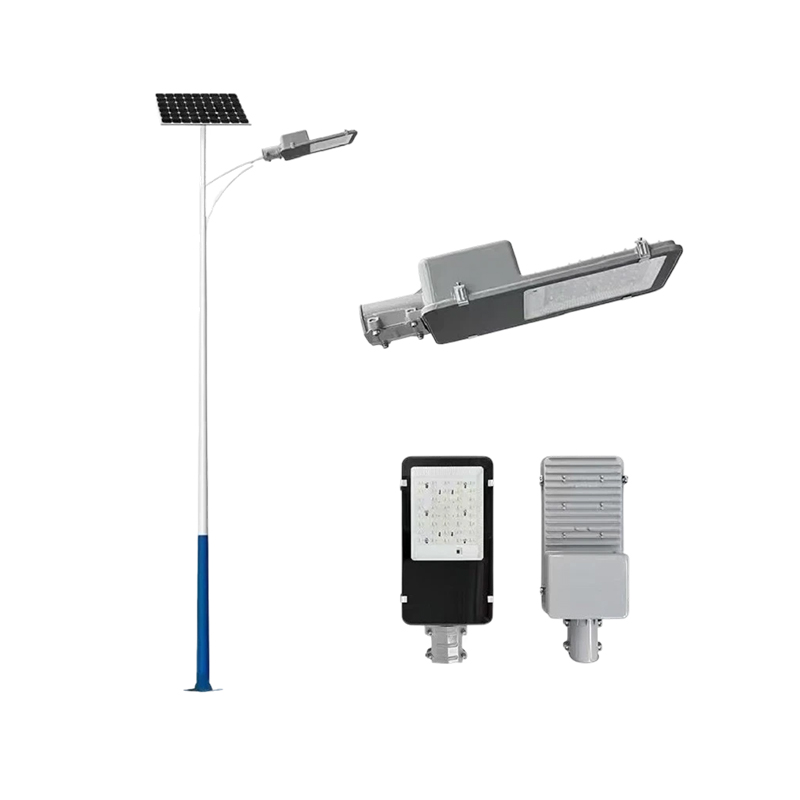
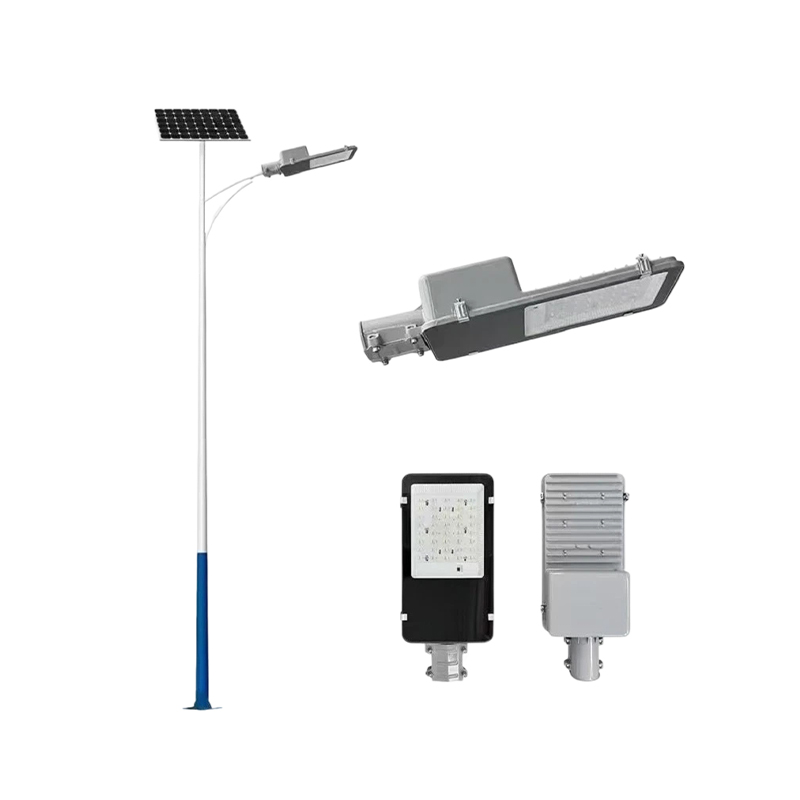
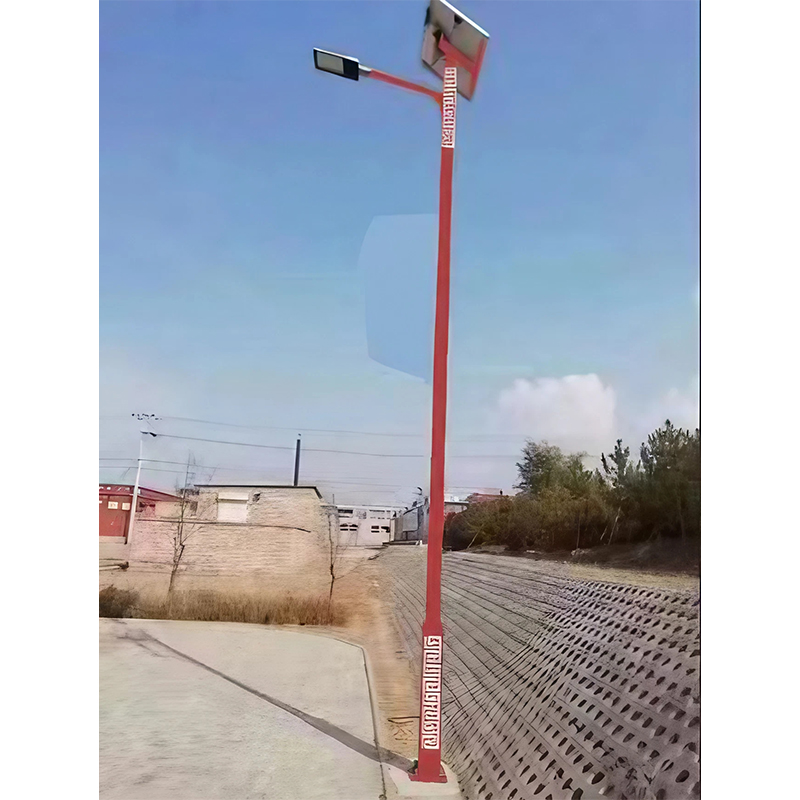


How to Balance Lighting Brightness Demands with Overall System Energy Consumption Control in Solar Street Lights?
In the context of the ongoing promotion of green and low-carbon development, solar street lights have become an important choice for urban and rural road lighting construction due to their advantages such as clean energy supply, flexible installation, and low operating costs. Especially in scenarios such as new rural construction, municipal roads, parks, scenic areas, and industrial parks, solar street lights can not only reduce reliance on the traditional power grid but also effectively reduce carbon emissions. However, in practical applications, a balance often exists between lighting brightness demands and system energy consumption control.
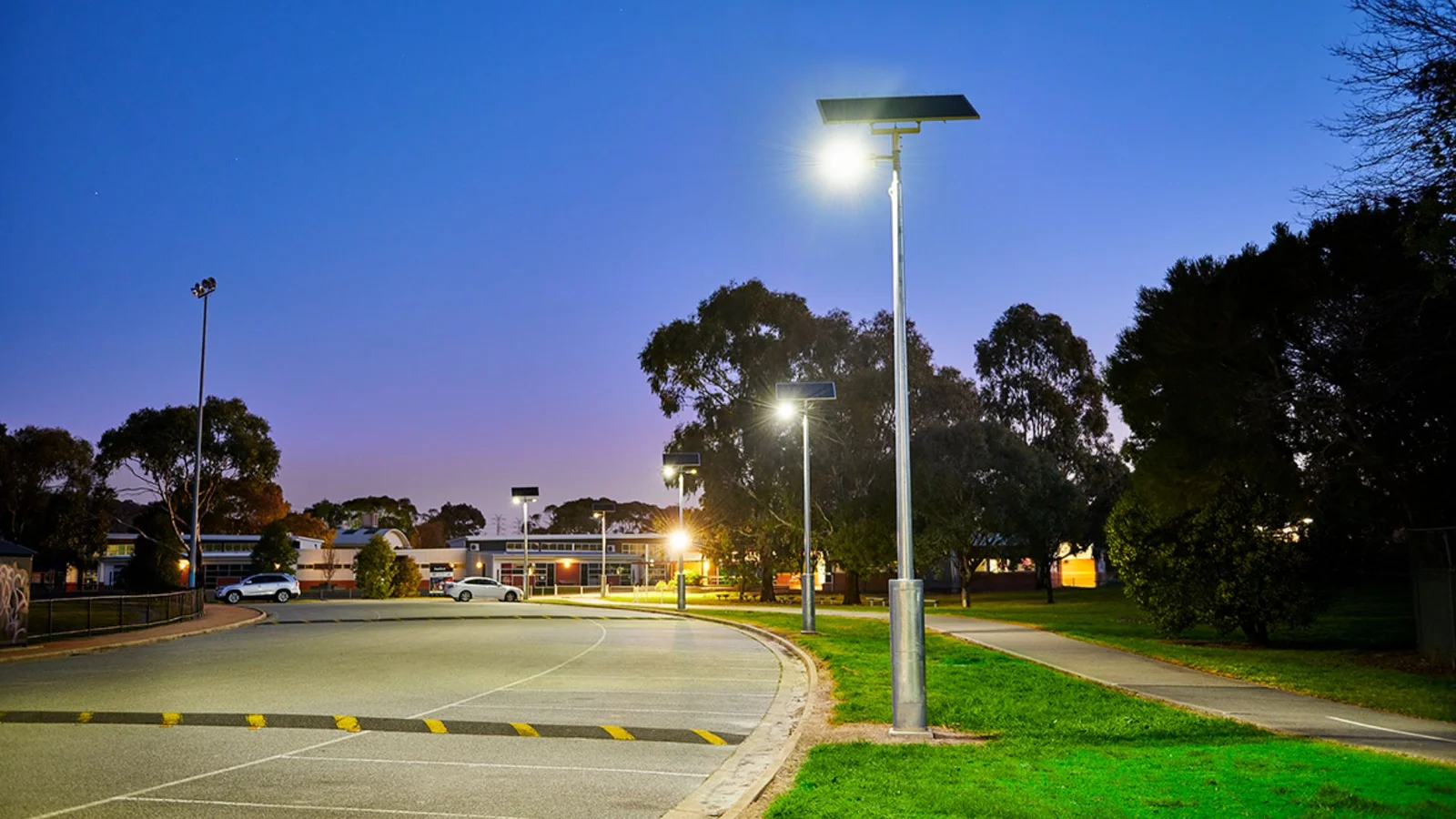
1. Rationally Configure Light Source Power to Improve Energy Utilization
LED light sources are the core lighting components of solar street lights, and their power selection directly affects the system's energy consumption level. During the design process, higher power does not necessarily mean better lighting effects; instead, a scientific match should be made based on road width, traffic flow, and the usage environment. For example, the illuminance requirements of community roads, rural roads, and urban main roads differ significantly, requiring the use of LED luminaires with different power levels. By rationally configuring light source parameters, unnecessary energy waste can be reduced while meeting lighting standards, thereby improving overall energy utilization efficiency.
2. Optimize Light Distribution Design to Enhance Illumination Effect
In lighting systems, the effective utilization of light energy emitted by the light source also affects energy consumption control. If the light distribution design is unreasonable, a large amount of light will illuminate ineffective areas, leading to energy waste. Therefore, solar street lights need to employ professional optical lens designs to ensure that the light can more concentratedly cover the target area. For example, by optimizing the beam angle and illumination range, the effective illuminance of the road can be improved, reducing redundant and ineffective lighting. Under the same power conditions, a reasonable light distribution design can achieve better lighting effects, thereby reducing the overall energy consumption of the system.
3. Apply Intelligent Control Technology to Achieve On-Demand Lighting
With the development of intelligent lighting technology, solar street lights have gradually upgraded from fixed lighting modes to intelligent control modes. By introducing intelligent control technologies such as light sensing, time control, and human body sensing, the system can automatically adjust brightness according to the actual environment. For example, at night when there are fewer vehicles and pedestrians, the streetlights automatically reduce brightness; when people or vehicles are detected passing by, they return to normal lighting status. This on-demand lighting method can effectively reduce ineffective power consumption time, reducing energy consumption while ensuring safe lighting.
4. Improve Energy Storage System Efficiency and Enhance Energy Management Capabilities
The operational stability of solar street lights depends not only on power generation capacity but also closely on the energy storage system. Lithium iron phosphate batteries, as the mainstream energy storage device, offer advantages such as long lifespan and high safety. To balance brightness and energy consumption, the charging and discharging process needs to be optimized through an intelligent battery management system. For example, output power can be dynamically adjusted based on weather forecasts and remaining battery power to avoid shortening battery life due to over-discharge. Simultaneously, improving energy storage utilization can provide more stable energy support for the lighting system.
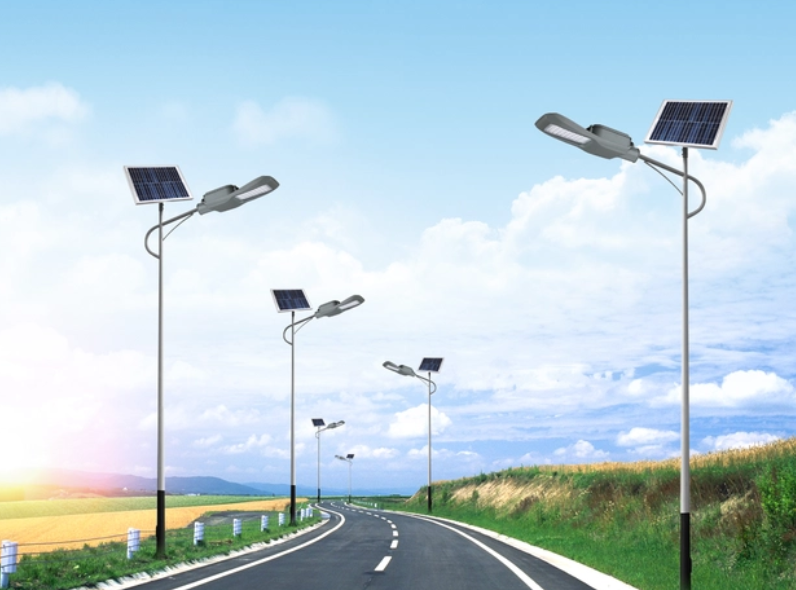
5. Optimize Solar System Configuration for Overall Energy Saving
Besides optimizing the lighting and energy storage ends, the power generation efficiency of solar panels also affects the system's energy balance. Using high-conversion-efficiency solar modules and appropriately adjusting the installation angle and orientation can improve light energy utilization. Furthermore, optimizing the matching relationship between solar panels, batteries, and LED light sources to achieve coordinated operation of power generation, energy storage, and power consumption can further enhance the overall energy-saving effect of the system.
In conclusion, solar street lights, through the rational configuration of LED light sources, optimized light distribution design, application of intelligent control technology, improved energy storage management efficiency, and improved solar system configuration, can effectively balance the relationship between lighting brightness requirements and overall energy consumption control in the construction of green and energy-saving lighting systems. This not only improves the quality and operational reliability of road lighting but also fully leverages the advantages of solar clean energy, providing a more efficient and sustainable lighting solution for the construction of green and low-carbon cities.